Argentina's national public administration, together with state-owned companies, had 266,205 workers on September 30, 2026, according to the INDEC staffing report published on October 30. That is 6.1% fewer than in September 2025 (17,266 fewer people) and 0.8% fewer than in August.
Since December 2023, the month Javier Milei took office, headcount has fallen by 75,260 people, a 22% drop, according to the INDEC series. Measured from November 2023, the reduction reaches 77,152 jobs. Both figures circulate in the press and both come from the same series: only the starting month changes.
266,205
National state workers
As of September 30, 2026
-6.1%
Change in one year
17,266 fewer people than in September 2025
75,260
Fewer jobs since December 2023
A 22% drop in 21 months
Source: INDEC, staffing of the national public administration and state-owned companies.
View the data as a table
| National state workers | 266,205 · As of September 30, 2026 |
| Change in one year | -6.1% · 17,266 fewer people than in September 2025 |
| Fewer jobs since December 2023 | 75,260 · A 22% drop in 21 months |
How many public employees Argentina's national state has
INDEC measures the staffing of 121 entities every month: ministries (central administration), decentralized agencies such as ANSES, ARCA or CONICET, deconcentrated bodies, other entities such as PAMI, and companies with state ownership, such as the Post Office, Trenes Argentinos, Aerolíneas Argentinas or Banco Nación. It does not include provinces or municipalities.
| Structure | Dec. 2023 | Sep. 2025 | Sep. 2026 | Change in one year | Change since Dec. 2023 |
|---|---|---|---|---|---|
| Central administration (ministries) | 54,791 | 46,349 | 37,200 | −19.7% | −32.1% |
| Decentralized administration | 136,529 | 110,373 | 108,726 | −1.5% | −20.4% |
| Deconcentrated administration | 24,582 | 22,327 | 21,037 | −5.8% | −14.4% |
| Other entities (includes PAMI) | 15,403 | 14,166 | 12,433 | −12.2% | −19.3% |
| National public administration | 231,305 | 193,215 | 179,396 | −7.2% | −22.4% |
| State-owned companies | 110,160 | 90,256 | 86,809 | −3.8% | −21.2% |
| Total | 341,465 | 283,471 | 266,205 | −6.1% | −22.0% |
Source: INDEC, total staffing series and September 2026 report. Change since December 2023: our own calculation with the same series. Part of the movement between categories reflects reorganizations of ministries and agencies, not only staff departures.
Why the press reports 2,820 fewer public jobs in September
Several outlets reported that the national state "lost 2,820 jobs in September". That figure comes from subtracting September's 266,205 workers from the 269,025 that INDEC reported for August in its previous report. But the institute later revised August to 268,404, because some entities corrected or filed their returns late. With the revised figure, the official monthly decline is 2,199 people (−0.8%), which is the change INDEC itself publishes.
| Comparison | Figure | Where it comes from |
|---|---|---|
| September decline (official) | 2,199 (−0.8%) | Revised August (268,404) vs. September (266,205) |
| September decline (press) | 2,820 | August as published in September (269,025) vs. September |
| Decline in one year | 17,266 (−6.1%) | September 2025 (283,471) vs. September 2026 |
| Decline since December 2023 | 75,260 (−22.0%) | December 2023 (341,465) |
| Decline since November 2023 | 77,152 (−22.5%) | November 2023 (343,357) |
INDEC warns that 13 of the 121 entities did not report their September staffing (12 companies and one national administration entity). For them, the latest available figure was imputed, adding up to 7,598 people, 2.9% of the total. That is why recent months may change again.
Where Argentina's public employment cuts are concentrated
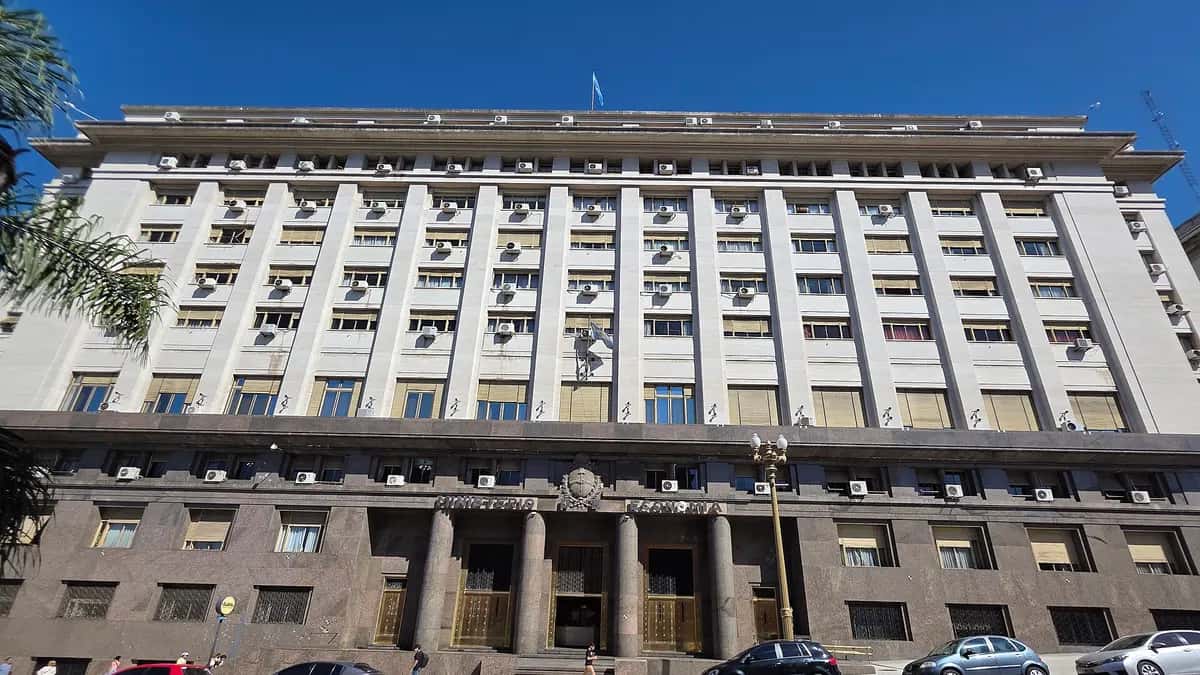
The steepest drop, in proportion, is in the ministries: the central administration had 54,791 people in December 2023 and 37,200 in September 2026, 32% fewer. In September alone, the Ministry of Health cut its headcount by 8.5% and PAMI (the national health insurer for retirees and pensioners) by 6.4%, which explains why "other entities" fell 6% in the month.
| Entity | Dec. 2023 | Sep. 2026 | Difference | Change |
|---|---|---|---|---|
| Correo Oficial (national post office) | 16,856 | 11,210 | −5,646 | −33.5% |
| Operadora Ferroviaria (Trenes Argentinos) | 23,812 | 19,408 | −4,404 | −18.5% |
| ARCA (tax and customs agency) | 22,091 | 18,678 | −3,413 | −15.4% |
| ANSES (social security) | 13,943 | 10,926 | −3,017 | −21.6% |
| CONICET (science council) | 27,760 | 24,795 | −2,965 | −10.7% |
| PAMI | 14,253 | 11,876 | −2,377 | −16.7% |
| Banco de la Nación Argentina | 17,688 | 15,427 | −2,261 | −12.8% |
| Aerolíneas Argentinas | 11,926 | 9,930 | −1,996 | −16.7% |
| AySA (water utility) | 7,790 | 5,891 | −1,899 | −24.4% |
| INTA (agricultural technology institute) | 6,825 | 4,960 | −1,865 | −27.3% |
Source: INDEC, tables 2 and 3 of the staffing series; differences are our own calculation. The list ranks the ten entities that lost the most people in absolute terms between December 2023 and September 2026.
Among state-owned companies, the adjustment is most visible at the Post Office, the railways, Aerolíneas and AySA. Companies as a whole went from 110,160 to 86,809 workers, some 23,350 fewer, close to the "more than 23,400" reported by some outlets.
What lower public employment means for Argentina's economy
The government presents the staff reduction as part of its adjustment plan to sustain the fiscal surplus. The effect on the labor market adds to the fall in private employment: the SIPA registry recorded 134,500 fewer registered private jobs in a year, and activity has had weak months, as shown by the 1.7% drop in the EMAE in August.
For workers who remain in the state, the benchmark income is the minimum wage, which rises month by month in 2026, and in December the aguinaldo (13th salary) is paid. The size of the state will also be debated in the 2027 Budget before the Chamber of Deputies and in the 2027 presidential campaign, in which Javier Milei will seek re-election.

How INDEC measures public employment
- What it counts: people under collective agreements, outside agreements and "other arrangements", such as service or work contracts, internships and contracts through international organizations.
- What it does not count: employment in provinces and municipalities, which have their own statistics.
- Who reports: the Secretariat for State Transformation and Civil Service collects each entity's return, and INDEC publishes it at the end of each month, with a one-month lag.
- September breakdown: of the 179,396 people in the national administration, 155,778 are under collective agreements, 2,511 outside agreements and 21,107 under other arrangements.
The next report, with October data, should be published at the end of November according to the INDEC calendar.
Frequently asked questions
How many national public employees does Argentina have?
266,205 as of September 30, 2026, counting the national public administration (179,396) and state-owned companies (86,809), according to INDEC.
How many public jobs have been cut since Milei took office?
75,260 between December 2023 and September 2026, 22% fewer. Compared with November 2023, the drop is 77,152 jobs.
How many public jobs were lost in September 2026?
According to INDEC, 2,199 (−0.8%). The 2,820 figure published by the media compares with August data before its revision.
Which agencies lost the most staff?
In absolute terms, the Post Office (−5,646), Trenes Argentinos (−4,404), ARCA (−3,413), ANSES (−3,017) and CONICET (−2,965) since December 2023.
Does the report include provinces and municipalities?
No. It only measures the national state: ministries, agencies, other entities and companies with state ownership.