Argentina's economic activity fell 1.7% year on year in August 2026 and rose just 0.1% from July in seasonally adjusted terms, according to the Monthly Economic Activity Estimator (EMAE) that [Indec](https://www.indec.gob.ar/uploads/informesdeprensa/emae_10_263A9DC1ED2B.pdf) published on Wednesday, October 21. It is the second straight annual decline and the steepest of the year, according to Rankia; the January-August cumulative figure is still positive at 1.2%.
The data confirm the economy did not bounce back after July's slump, when activity fell 2.8% month on month. These are the report's figures and what they mean.
Argentina's economic activity, month by month
| Month | Year-on-year change | Seasonally adjusted monthly change | Year to date |
|---|---|---|---|
| August 2025 | 2.1% | 0.7% | 5.3% |
| December 2025 | 3.5% | 2.0% | 4.5% |
| January 2026 | 2.0% | -0.1% | 2.0% |
| February 2026 | -1.5% | -2.0% | 0.3% |
| March 2026 | 6.5% | 2.7% | 2.4% |
| April 2026 | 2.2% | -1.4% | 2.3% |
| May 2026 | 0.7% | -0.6% | 2.0% |
| June 2026 | 3.1% | 0.3% | 2.2% |
| July 2026 | -1.5% | -2.8% | 1.7% |
| August 2026 | -1.7% | 0.1% | 1.2% |
Source: table 1 of the August 2026 EMAE technical report, Indec. July was revised to -1.5% year on year. The trend-cycle, which smooths out swings, showed no change in August from July: the economy is flat.
Which sectors are falling and which are growing
Five sectors grew in August compared with 2025 and ten fell. The biggest drags were manufacturing (-3.2%) and trade (-3.5%), which together took 0.9 percentage points off the EMAE. On the plus side, mining, utilities and hotels and restaurants added 0.6 points.
| Sector | Year-on-year change in August 2026 |
|---|---|
| Mining and quarrying | +11.1% |
| Electricity, gas and water | +4.3% |
| Hotels and restaurants | +3.1% |
| Health and social services | +0.6% |
| Real estate, business and rental activities | +0.4% |
| Education | -0.3% |
| Other community services | -0.6% |
| Agriculture, livestock, hunting and forestry | -1.0% |
| Public administration and defense | -1.6% |
| Construction | -2.5% |
| Transport and communications | -2.9% |
| Manufacturing | -3.2% |
| Wholesale, retail and repairs | -3.5% |
| Financial intermediation | -3.8% |
| Fishing | -15.7% |
Source: EMAE table 4, Indec. Taxes net of subsidies, which are also part of the index, fell 4.2%.
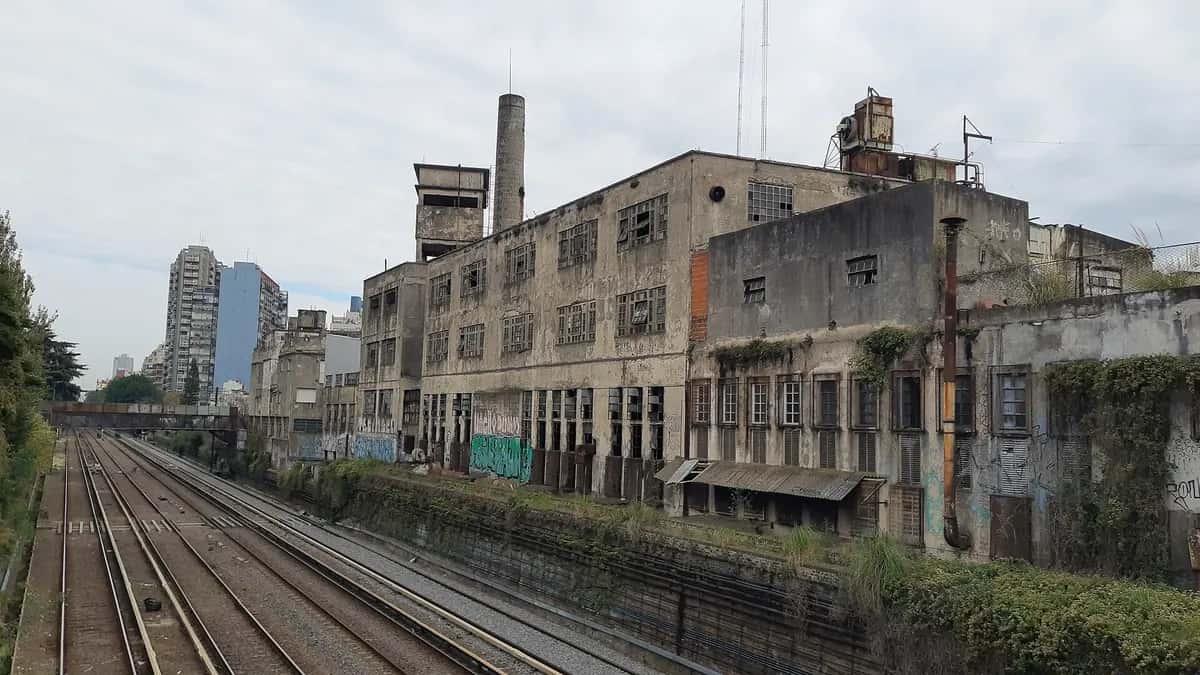
Why Argentina's economic activity is stalling
The decline comes amid financial strain. Country risk climbed back above 700 points this week, with dollar sovereign bonds falling as much as 8%, according to Ámbito; to understand that indicator, see what country risk is. The exchange rate is also under debate (see the dollar today in Argentina).
Mining and energy, driven by oil and gas from Vaca Muerta and by lithium, keep growing at double-digit rates, but they weigh less in GDP than manufacturing and trade, which depend on domestic consumption. With wages lagging inflation, consumption remains weak: the minimum wage and the basic basket show that gap.
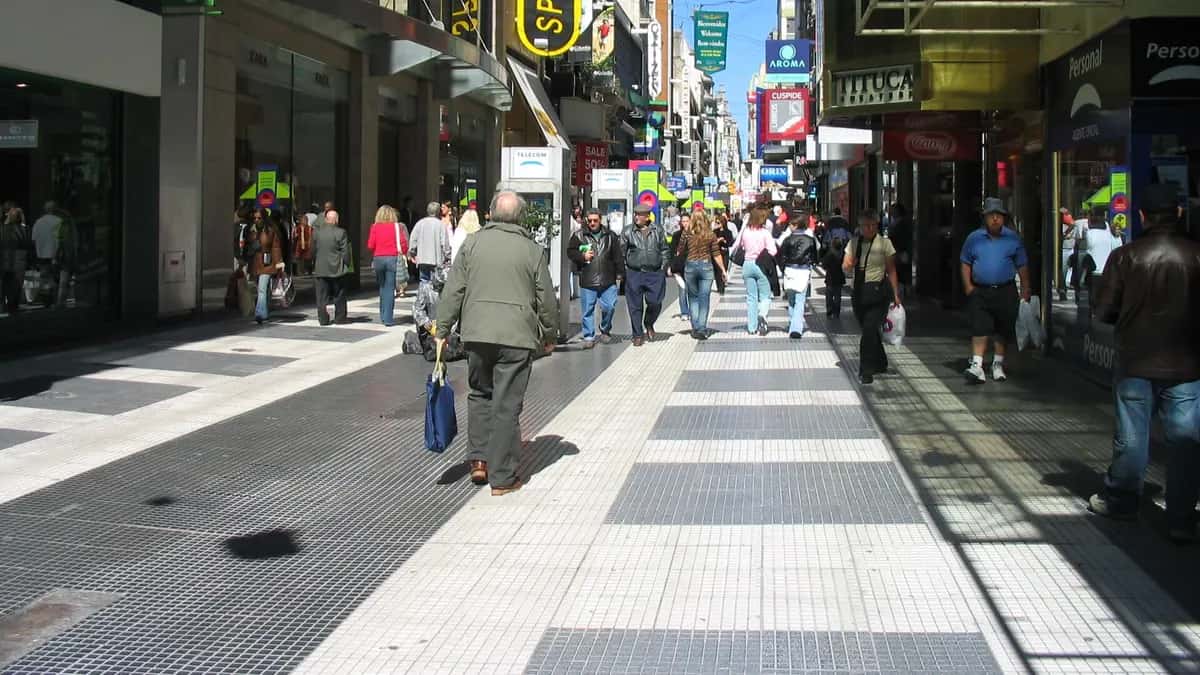
Argentina's economic activity by sector since 2023
| Sector (year-on-year change in August) | 2023 | 2024 | 2025 | 2026 |
|---|---|---|---|---|
| Manufacturing | -2.8% | -6.4% | -4.6% | -3.2% |
| Trade | 1.1% | -6.6% | -3.0% | -3.5% |
| Construction | 2.0% | -16.6% | -0.7% | -2.5% |
| Mining and quarrying | 7.0% | 6.5% | 9.4% | 11.1% |
| Hotels and restaurants | 7.8% | 9.3% | 8.2% | 3.1% |
Source: EMAE table 4, Indec. The series shows two economies: mining and energy grow every August, while manufacturing fell in all four Augusts in the series. Construction, which collapsed in 2024, has not recovered. That pattern helps explain why consumption and jobs are not keeping pace with the boom in oil and mining.
What the IMF expects for Argentina's economy
| IMF projection (October 2026) | Argentina |
|---|---|
| GDP growth in 2025 | 4.5% |
| Projected growth in 2026 | 2.1% (previously 3.5%) |
| Projected growth in 2027 | 3.5% |
| Projected average inflation in 2026 | 32.5% |
| Rank among 36 economies in the Americas in 2026 | 23rd |
Source: IMF World Economic Outlook, as reported by Infobae. The 1.4-point cut for 2026 was the region's second largest, after Chile's. To see how Argentina compares, check the Latin America economic growth ranking. With 1.2% growth through August, reaching 2.1% for the year would require a recovery in the last quarter.
The next EMAE, with September data, will be released on November 24, according to Indec's calendar. Activity will be a central issue in the campaign for the 2027 presidential election.
Frequently asked questions
How much did economic activity fall in August 2026?
1.7% year on year, according to Indec's EMAE. Compared with July, it rose 0.1% in seasonally adjusted terms.
Which sectors grew?
Mining (+11.1%), electricity, gas and water (+4.3%), hotels and restaurants (+3.1%), health services (+0.6%) and real estate (+0.4%).
Which sectors fell most?
Fishing (-15.7%), financial intermediation (-3.8%), trade (-3.5%) and manufacturing (-3.2%).
Is Argentina in recession?
There have been two straight months of annual declines and the trend-cycle is flat. The year-to-date figure is still positive (1.2%), so there is no annual contraction.
When is the next EMAE?
On November 24, 2026, with September data.