Argentina's country risk closed at 805 basis points on Monday, November 2, 2026, its highest value of the year and the first reading above 800 since the October 2025 midterm elections. The JP Morgan index rose 18 points (+2.3%) on the day and is up 41% from the 571 points at which it began 2026, according to the historical series published by Ámbito and reports by La Nación and TN.
The same day, the retail official dollar sold at 1,565 pesos at Banco Nación, 5 pesos more than on Friday and its highest nominal level of the year, while the wholesale rate closed at 1,545.50 pesos, 11.50 above the previous close, according to the Central Bank's closing quote and TN. As of the morning of Tuesday, November 3, when this article was written, Argentine markets had not yet opened: the figures here are Monday's closing values.
What happened to Argentina's country risk and the dollar on November 2
The session started with bonds rising but turned around toward the close. Bonar bonds fell as much as 1.7% (AL41D) and Global bonds as much as 1.4% (GD46D), in line with a correction in international markets, La Nación reported. On Wall Street, Argentine company ADRs fell as much as 12.8%, and the Buenos Aires S&P Merval sank 3.2% in pesos.
| Indicator | Close on Monday, November 2 | Daily change | Source |
|---|---|---|---|
| Country risk (EMBI, JP Morgan) | 805 points | +18 points (+2.3%) | Ámbito, TN |
| Official dollar, Banco Nación (sell) | 1,565 pesos | +5 pesos (+0.3%) | La Nación |
| Wholesale dollar (close) | 1,545.50 pesos | +11.50 pesos | BCRA, TN |
| Wholesale dollar (Communication A 3500) | 1,544.65 pesos | +7.30 pesos | BCRA |
| Blue (parallel) dollar (sell) | 1,565 pesos | Unchanged | Ámbito |
| MEP dollar | 1,565.25 pesos | −8.37 pesos (−0.5%) | La Nación |
| Contado con liquidación (CCL) | 1,678.46 pesos | +24.42 pesos (+1.5%) | La Nación |
| S&P Merval (in pesos) | 89,166 points | −3.2% | La Nación |
There is a small discrepancy between sources on the wholesale rate: La Nación reported 1,545.02 pesos, while TN, cfin and the closing quote published by the Central Bank show 1,545.50. The Communication A 3500 reference rate, which the BCRA calculates as the day's average, was 1,544.65 pesos.
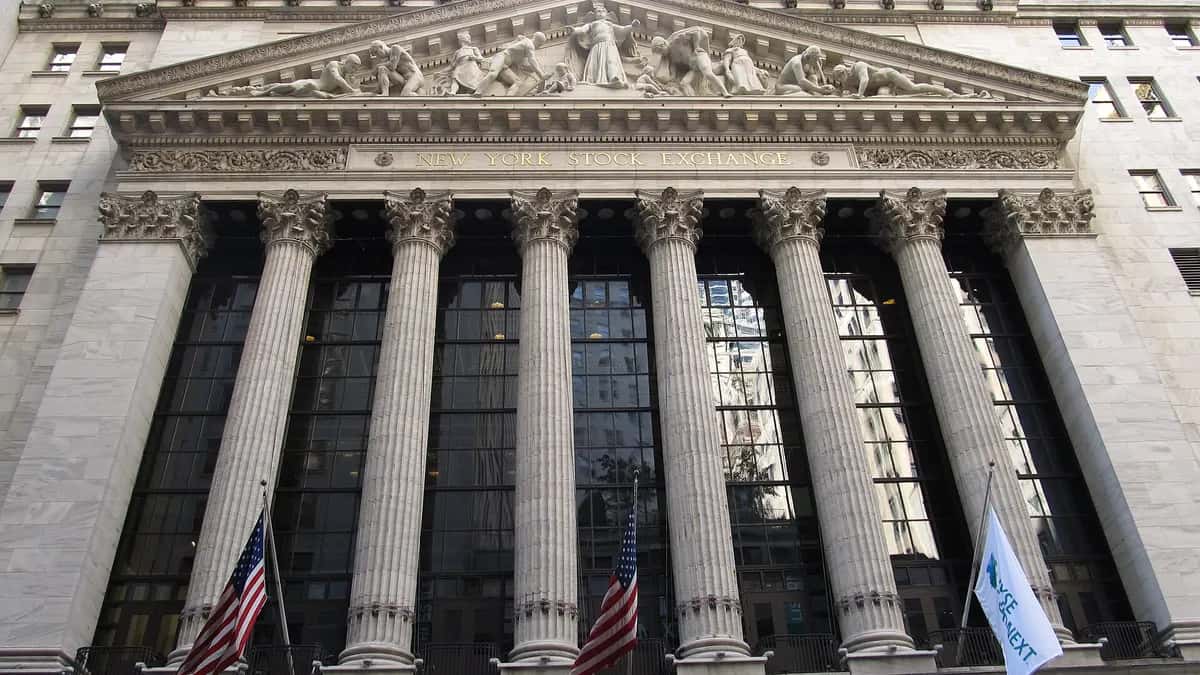
Argentine stocks on Wall Street and the Central Bank's reserves
The biggest ADR losses were Irsa (−12.8%), Cresud (−8.1%), YPF (−6.8%) and Banco Supervielle (−5.4%), according to La Nación. It was the sixth straight session of losses for Argentine stocks, according to Infobae.
| Stock | Market | Change on Monday, November 2 |
|---|---|---|
| Irsa (ADR) | New York | −12.8% |
| Cresud (ADR) | New York | −8.1% |
| YPF (ADR) | New York | −6.8% |
| Banco Supervielle (ADR) | New York | −5.4% |
| Edenor | Buenos Aires (leading panel) | −3.5% |
| Transportadora de Gas del Norte | Buenos Aires (leading panel) | −1.2% |
| S&P Merval in dollars (CCL) | Buenos Aires | −4.6% (about US$53) |
Source: La Nación. Telecom Argentina, Transportadora de Gas del Sur, Central Puerto and Sociedad Comercial del Plata also fell 0.4% each in Buenos Aires.
The Central Bank did not buy dollars in the official market on Monday, after ending October with net purchases of US$1.395 billion, almost three times September's US$474 million. So far in 2026 it has bought US$15.963 billion, Ámbito reported. Even without purchases, gross reserves rose US$879 million to US$50.441 billion, partly because of a rise in gold, according to the same outlet. The latest figure in the BCRA's official series when this article was written was US$50.164 billion as of October 29, compared with US$43.105 billion on January 2.
Argentina's country risk in 2026, month by month
The index traced a "U" this year: it fell from 571 points in January to a low of 402 points on July 10 and has climbed since August, with a sharp jump in October, when it went from 607 to 787 points. In our October 16 story, country risk had closed at 648 points; it has added another 157 since then.
| Month of 2026 | Country risk at close | Wholesale dollar A 3500 at close |
|---|---|---|
| Start of the year (January 1-2) | 571 | 1,459.42 pesos (December 30, 2025) |
| January | 496 | 1,447.67 |
| February | 572 | 1,408.97 |
| March | 617 | 1,382.76 |
| April | 567 | 1,381.10 |
| May | 493 | 1,410.29 |
| June | 426 | 1,483.02 |
| July | 430 | 1,488.45 |
| August | 512 | 1,509.47 |
| September | 607 | 1,517.52 |
| October | 787 | 1,537.35 |
| November 2 | 805 | 1,544.65 |
Sources: country risk, historical series from Ámbito; wholesale dollar, Central Bank of Argentina, Communication A 3500. In 2026 the wholesale rate rose only 5.8% from December, while cumulative inflation through September was 23.6%, according to La Nación: the peso strengthened in real terms. The ceiling of the exchange-rate band stood at 1,954.48 pesos on Monday, 26.5% above the wholesale rate.
Why Argentina's country risk is rising
Analysts quoted by the Argentine press point to a mix of external and domestic factors:
- Brazil: Lula's reelection on October 25 hit assets across the region. According to GMA Capital, cited by TN, on the Monday after the runoff all 14 Argentine ADRs closed lower and Global bonds lost 2.5%, more than Brazilian ones.
- The global mood: Fernando Baer (Quantum Finanzas) told La Nación markets were "in correction mode" over doubts about artificial intelligence, tech stocks and developed-country debt, with a flight to US Treasury bonds.
- The 2027 elections: GMA Capital estimates that its Government Confidence Index is consistent with a 39.1% probability of Javier Milei's reelection, according to cfin. See Argentina's 2027 presidential election.
- 2027 debt payments and reserves: PPI warned that a weaker real puts Argentina's exchange-rate competitiveness and its room to build reserves under scrutiny, according to TN.
How the US elections could weigh on Argentina's country risk
On Tuesday, November 3, the United States votes in its midterm elections, which renew the entire House of Representatives and a third of the Senate. For Cocos Capital, quoted by La Nación, markets are watching whether Democrats retake Congress, which would limit Donald Trump's economic agenda; what matters, they said, "is not so much the result itself but how far it departs from what the market has already priced in." iProfesional also warned the vote could add pressure on the dollar and country risk.
The link is tighter than for other countries in the region because Milei's government has made its relationship with Trump one of its pillars. In trade terms, Argentina sold US$8.327 billion in goods to the United States in 2025, 9.6% of its exports, according to our ranking of Latin American exports to the United States.
What comes next for the dollar and Argentina's country risk
Markets are watching three fronts in November: whether the Central Bank resumes buying dollars, the next stage of the IMF agreement, which awaits board approval in early December, and the debate on the 2027 Budget in Congress. Economist Gustavo Ber said the main political forces may not define their electoral strategies until around March. For the daily rate, see the dollar today in Argentina.
Frequently asked questions
What is Argentina's country risk today?
It closed at 805 basis points on Monday, November 2, 2026, its high for the year. The value changes every session; this article reflects Monday's close.
What does a country risk of 805 points mean?
That Argentina's dollar bonds yield 8.05 percentage points more than US Treasury bonds of similar maturity.
How much was the official dollar on November 2?
1,565 pesos (sell) at Banco Nación, its nominal high for the year. The wholesale rate closed at 1,545.50 and the blue dollar at 1,565.
What was the 2026 low for country risk?
402 points on July 10, according to Ámbito's historical series. The index has doubled since then.
How large are the Central Bank's reserves?
US$50.441 billion on November 2 according to Ámbito; the latest official BCRA figure available when writing was US$50.164 billion on October 29.