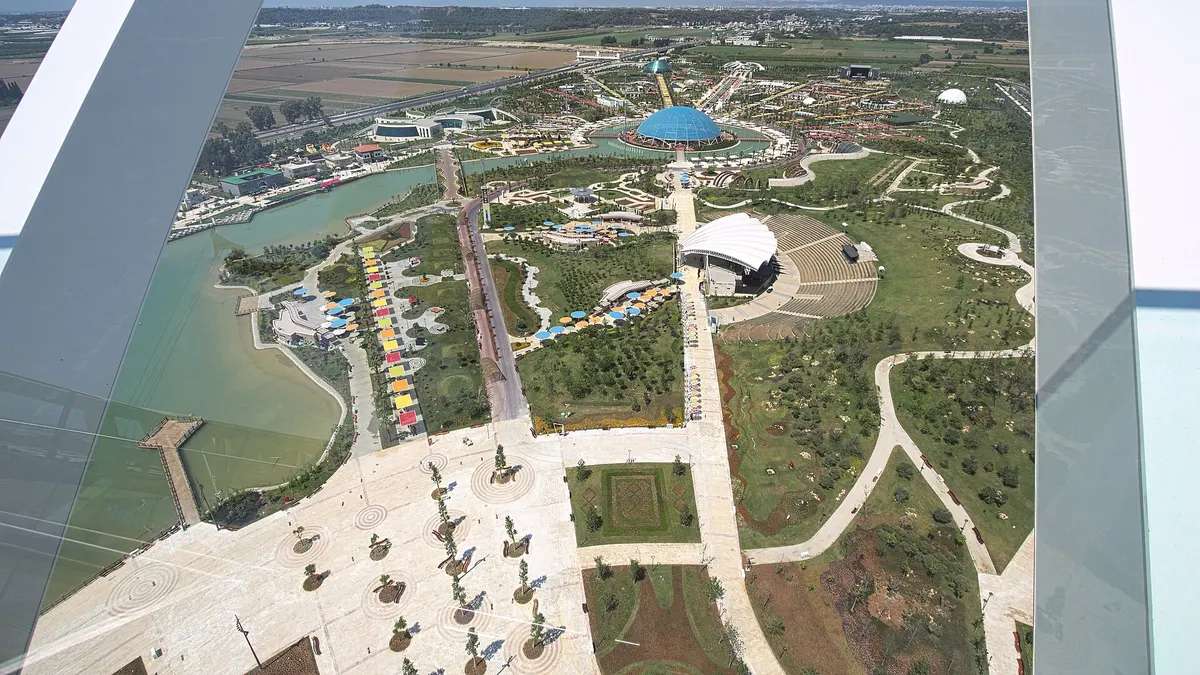
COP31 in Antalya, Turkey, ended on Sunday, November 22, without a deal: its president, Turkish minister Murat Kurum, acknowledged at the closing plenary that "there is no consensus" and that the decisions were not adopted, according to Reuters, via Al-Monitor. The European Union, Panama and the Marshall Islands objected to the so-called Antalya Pact, a text that did not mention fossil fuels. It is the biggest breakdown of a UN climate summit since Copenhagen in 2009, according to the same agency.
The summit was due to close on Friday the 20th and the final plenary opened on Sunday more than 40 hours late, according to EFE via Infobae. The failure does not erase what was agreed at earlier summits or the Paris Agreement rules, but it leaves COP31 without a political declaration.
View the data as a table
| Hours the final plenary ran late | over 40 |
| Paragraphs in the final text | 98 |
| 2035 electricity target | 35% |
| Years since the last major breakdown | 17 |
Why the Antalya Pact failed
The breaking point was fossil fuels. The fourth draft, published by Turkey and Australia at 3 a.m. on Sunday, did not include the words "fossil", "oil", "coal" or "phase-out", although it referred to the 2023 Dubai agreement on transitioning away from them, according to The Irish Times. Some earlier drafts did mention them. Saudi Arabia, Russia and India opposed any reference, according to the BBC as cited by Inquisitr.
| Country or bloc | Position at the plenary | What it said |
|---|---|---|
| European Union | Formal objection | Irish minister Darragh O'Brien, for the EU: a climate pact with no mention of fossil fuels is "unconscionable". |
| Panama | Formal objection | It sought a cap on oil production; minister Juan Carlos Navarro said the COP was "hijacked by oil". |
| Marshall Islands | Formal objection | Announced it would also object. |
| Germany | Rejection | Minister Carsten Schneider said he would reject the text as written. |
| Pakistan | Asked for more work | Did not reject it outright. |
| Saudi Arabia | Defended the text | Backed carbon capture and storage; said the Arab group would remain "constructive". |
Sources: Inquisitr, ABC Color and Panamá América. Before the plenary, Turkey and Australia arranged a meeting between the EU and Saudi Arabia that failed to reach a compromise. UN summits decide by consensus, so a few formal objections are enough to block a text.
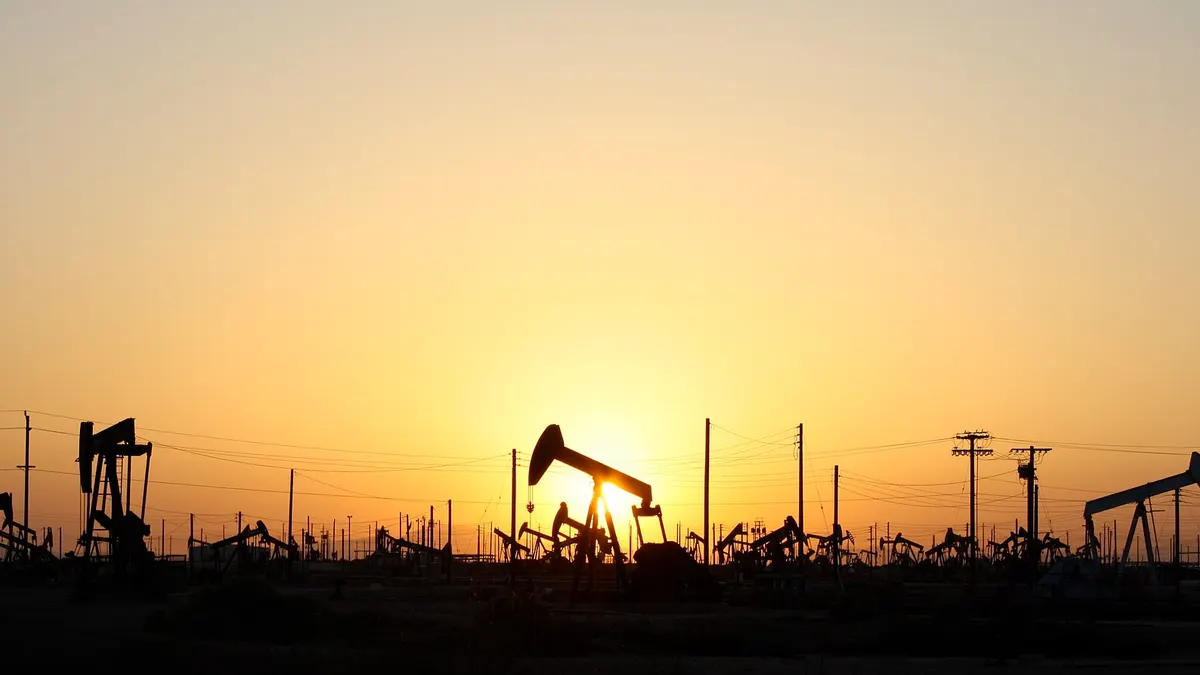
What the Antalya Pact text said
Although it was not approved, the text shows where the negotiation was heading. According to Down To Earth, which analyzed the Presidency's draft decision published by the UN, and The Irish Times, it included:
| Topic | What it proposed | Source |
|---|---|---|
| Electrification | Electricity to reach 35% of final energy use by 2035 ("35 by 35") | Down To Earth, Irish Times |
| Renewables and efficiency | Triple renewable capacity and double the annual efficiency improvement by 2030 | Down To Earth |
| Adaptation | At least triple finance by 2035, with no amount or baseline (an earlier draft mentioned US$ 120 billion a year) | Down To Earth |
| Carbon capture | Goal of capturing, reusing and storing one billion tonnes of carbon | Irish Times |
| 1.5 °C | Acknowledged for the first time that warming is on course to exceed 1.5 °C | Reuters |
| Fossil fuels | No direct mention; only a reference to the 2023 Dubai agreement | Irish Times |
Sources differ on the starting point of the electricity target: The Irish Times says about 21% of final energy use today, while Türkiye Today mentions 22% and other reports 23%. Turkey, which pushed the target, gathered the support of about 75 countries, according to the same Turkish outlet.
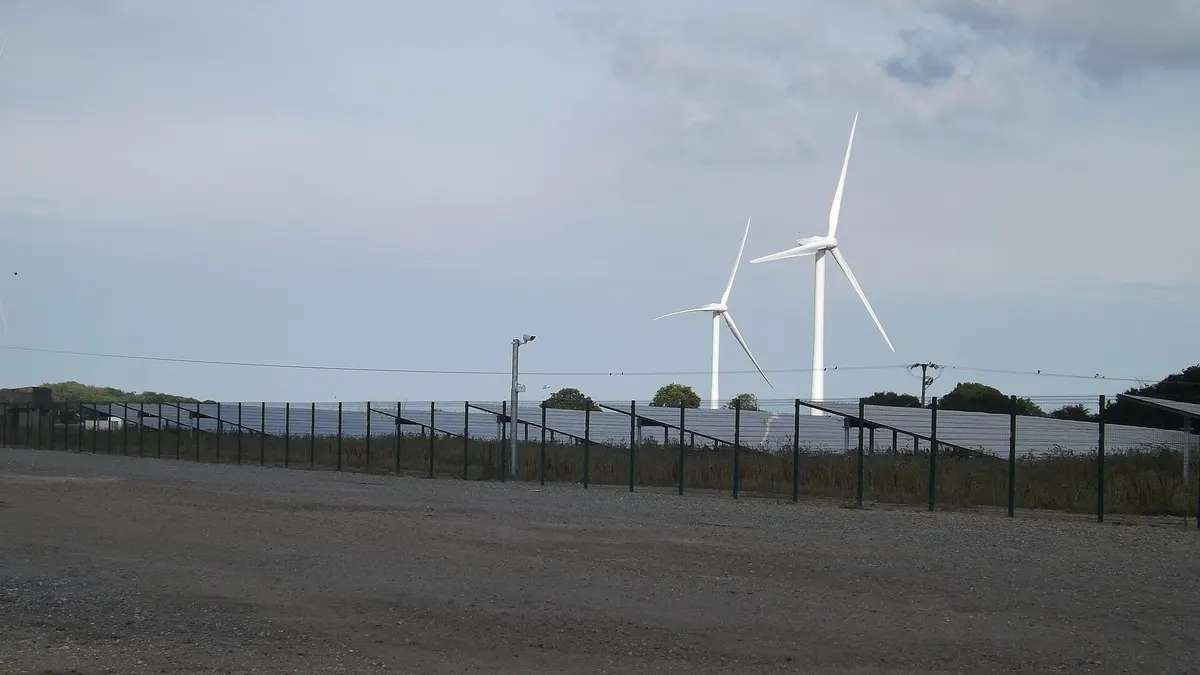
What Latin America sought at COP31
Panama was the toughest Latin American country. Before the close, its environment minister, Juan Carlos Navarro, sent a letter to the Presidency warning that he would not approve any resolution without a commitment to cap global oil production at current levels, an acknowledgment that the 1.5 °C goal is not being met and more climate finance, according to Panamá América. It also demanded that the 35% electrification target for 2035 be met with clean energy, according to ABC Color.
| Panama's demand | What the final text said |
|---|---|
| Cap on oil production at current levels | No mention of fossil fuels |
| Acknowledge the 1.5 °C goal is not being met | Acknowledged warming is on course to exceed 1.5 °C |
| More adaptation finance | Triple by 2035, with no amount or baseline |
| Electrification with clean energy | 35% target without requiring it to be renewable |
Sources: Panamá América, ABC Color, Down To Earth and Reuters, via Al-Monitor. Panama, together with Vanuatu, Tuvalu and Fiji, is also pushing a treaty to coordinate reductions in coal, oil and gas production, since the Paris Agreement sets no limits on fuel supply. At the time of writing, the final positions of Brazil, Mexico, Colombia and Chile at the plenary were not known.
How COP31 reached its breakdown
- Nov 9OpeningTurkey presides and Australia leads the negotiations.
- Nov 16First draft144 paragraphs.
- Nov 19Revised draftAccording to Down To Earth, it omits the transition away from fossil fuels and keeps "35 by 35".
- Nov 20Scheduled closeNo deal; overtime begins.
- Nov 22, 3:00Fourth draftAntalya Pact, without the word "fossil".
- Nov 22Not adoptedEU, Panama and the Marshall Islands object; Kurum acknowledges there is no consensus.
What happens now after COP31 without a deal
- Pending items move to the next summit: under rule 16 of the rules of procedure, unresolved business passes to the next session, according to Inquisitr.
- COP32 will be held in Addis Ababa, Ethiopia, in 2027, after the African Group's endorsement (Wikipedia).
- Earlier agreements still stand: obligations under the Paris Agreement and previous summits are not cancelled, according to Reuters, via Al-Monitor.
- Latin America was split: Panama led the toughest line against oil. What the region brought is in what was negotiated at COP31 and what Latin American countries brought.
Frequently asked questions
Was there a deal at COP31?
No. On November 22 the Presidency acknowledged there was no consensus and the Antalya Pact was not adopted.
Who rejected the Antalya Pact?
The European Union, Panama and the Marshall Islands lodged formal objections; Germany announced its rejection.
What is the 35 by 35 target?
Turkey's proposal that electricity reach 35% of the world's final energy use by 2035.
Where will COP32 be held?
In Addis Ababa, Ethiopia, in 2027.