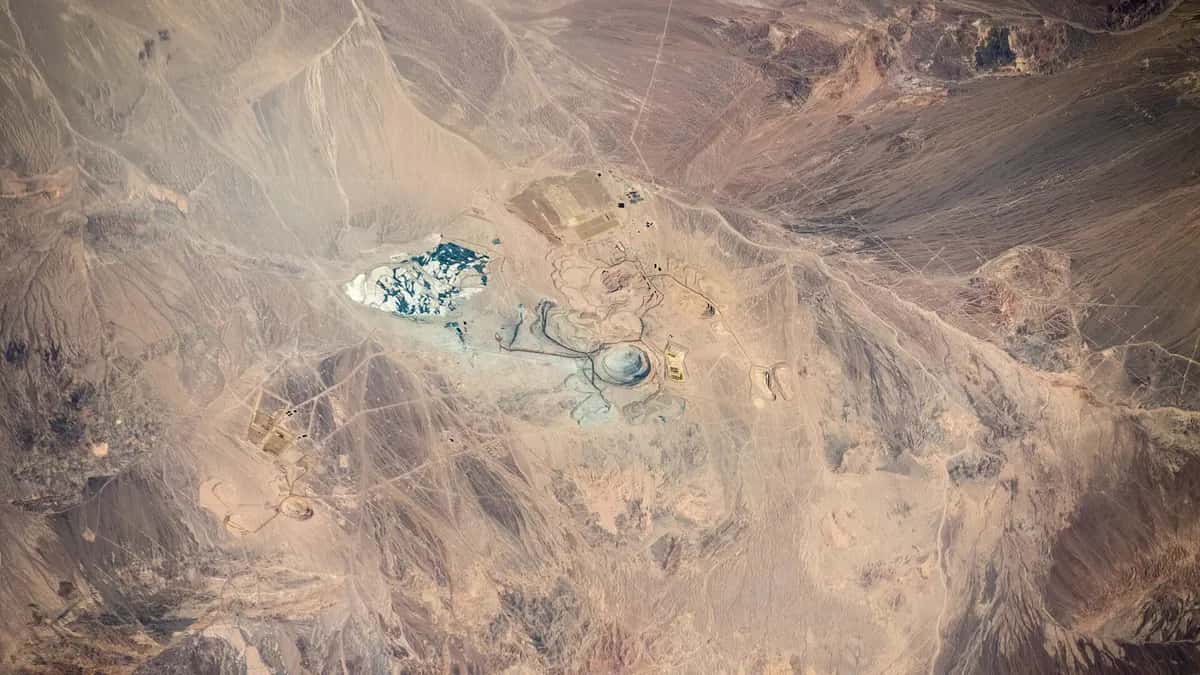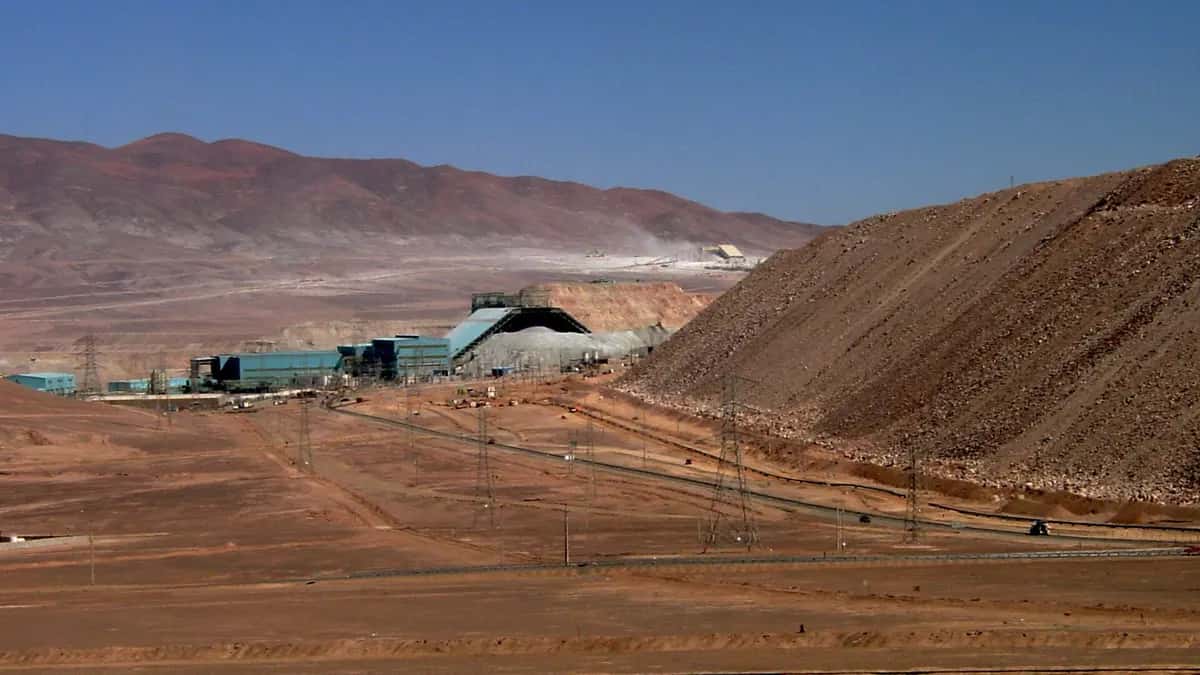
Copper output at Escondida, the world's largest copper mine, fell 23% in the July-September 2026 quarter to 252,600 tonnes, according to [BHP's operational review](https://www.bhp.com/news/media-centre/releases/2026/10/bhp-operational-review-for-the-quarter-ended-30-september-2026) released on October 20 in Australia (the evening of the 19th in Chile). The company blamed lower-grade ore, scheduled maintenance, bad weather in July and August, and a suspension of operations after a fatal accident on September 23.
The figure matters for Chile, which is going through a year of falling mining output and weak growth. Here are the quarter's numbers, the causes BHP gave and what comes next for the mine in the Antofagasta region.
How much Escondida copper output fell
BHP reports Escondida on a 100% basis, although it owns 57.5% of the operation; Rio Tinto holds 30% and a group of Japanese companies 12.5%. These are the figures for the first quarter of its 2027 fiscal year, which runs from July 2026 to June 2027, according to SMM and Mugglehead:
| Operation | Jul-Sep 2026 (tonnes) | Year-on-year change | FY2027 guidance |
|---|---|---|---|
| Escondida (Chile) | 252,600 | -23% | 1.00 to 1.10 million t |
| Spence (Chile) | 47,400 | -15% | 210,000 to 230,000 t |
| Copper South Australia | 60,700 | -16% | 290,000 to 320,000 t |
| Antamina (Peru, BHP share) | 40,000 | +18% | 120,000 to 140,000 t |
| BHP total copper | 400,700 | -19% | 1.65 to 1.80 million t |
Compared with the previous quarter (April to June), Escondida fell 19%, according to SMM. On its own it supplied 63% of BHP's copper in the period (our calculation: 252,600 of 400,700 tonnes). A year earlier, the group had produced 493,600 tonnes.
Why Escondida copper output dropped
BHP listed four causes in its review, as reported by Mugglehead and Motley Fool:
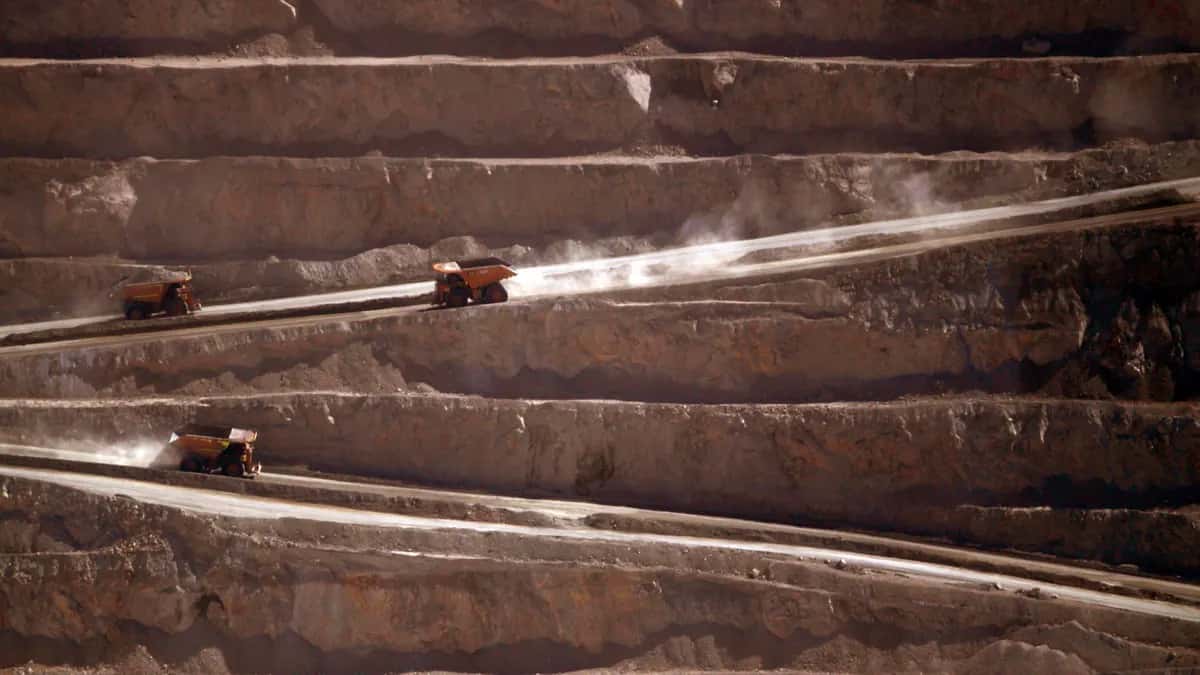
- Lower ore grade: concentrator feed grade fell to 0.81% copper from 0.94% a year earlier. It is a planned decline as the mine moves into zones with less copper per tonne.
- Scheduled maintenance at the plants during the quarter.
- Fatal accident: a worker died at Escondida on September 23, and BHP temporarily suspended all mining activities during the investigation.
- Bad weather: the frontal systems of July and August disrupted logistics and reduced truck fleet utilization.
BHP chief executive Brandon Craig said copper production "was lower in the first quarter, reflecting planned grade declines and scheduled maintenance". The company had another fatality in the quarter, at the Peak Downs coal mine in Australia, and announced safety reviews across the group.
Ore grade, the underlying problem
The decline is not limited to this quarter. In fiscal 2026 (July 2025 to June 2026), Escondida produced 1.261 million tonnes, 3% less than the year before, with a feed grade of 0.90% versus 1.02%, according to BHP's annual report. For the whole of fiscal 2027, the company expects a grade of about 0.70%, which explains why its guidance for the mine is 1.0 to 1.1 million tonnes.
| Escondida | Output | Feed grade |
|---|---|---|
| Fiscal 2025 | 1.305 million t | 1.02% |
| Fiscal 2026 | 1.261 million t | 0.90% |
| Jul-Sep 2026 | 252,600 t | 0.81% |
| Fiscal 2027 guidance | 1.00 to 1.10 million t | ~0.70% |
There was good news in the report: Escondida's cathode output rose thanks to better recoveries and sulphide leaching performance, according to Mugglehead. BHP also said group copper output will be weighted to the second half of the fiscal year.
Escondida's new concentrator
To offset falling grades, BHP approved US$800 million (100% basis) in pre-commitment funding to prepare execution of the Escondida New Concentrator. According to the annual report, the project would cost between US$5.4 and 6.3 billion and add 230,000 to 270,000 tonnes a year of capacity. Its environmental impact statement was filed in March 2026; a final investment decision is expected in 2027 or 2028 and first production in 2031 or 2032.
What Escondida's decline means for Chile
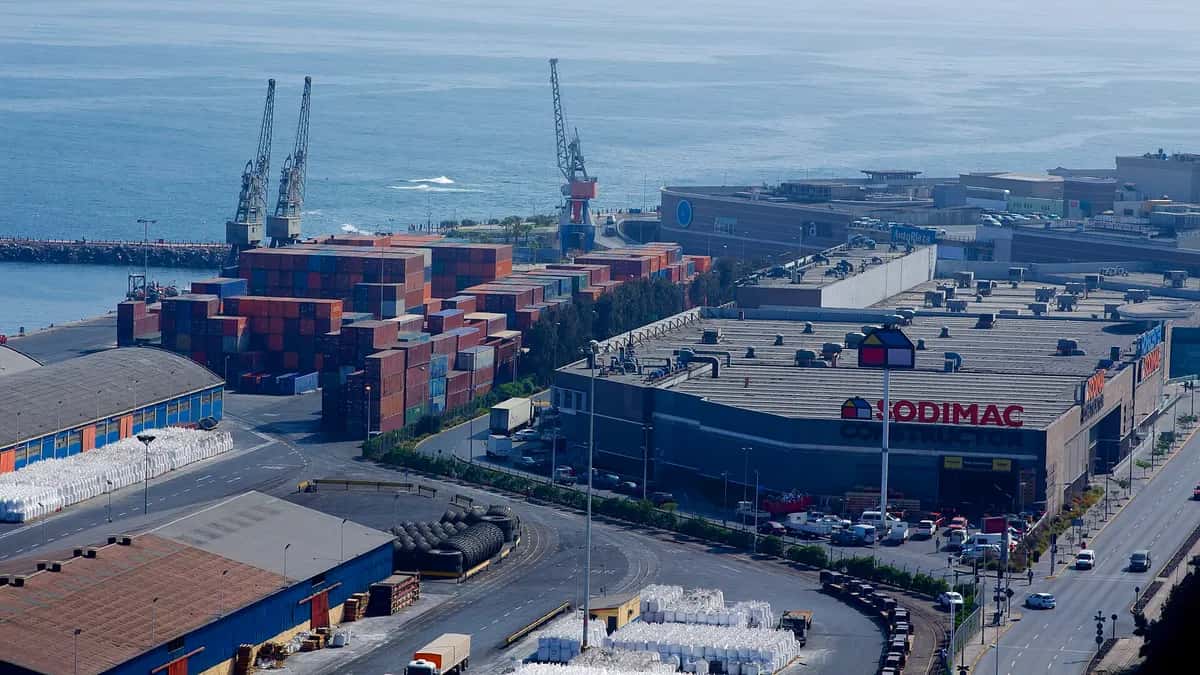
The drop comes at a bad time for Chile's economy. The IMF expects Chile to grow 0.6% in 2026 (see the IMF downgrade), and mining is one of the reasons. The 11-day strike at Antofagasta Minerals' Centinela mine ended on October 18 (see what the Centinela deal includes), and national copper output has been falling despite high prices (see copper near a record while Chile produces less).
Prices do help: BHP reported an average realized price of US$7.01 per pound in the quarter, 53% more than a year earlier, according to Motley Fool. On October 19, copper in London traded at around US$6.48 a pound, according to Diario Financiero. With fewer tonnes but better prices, the impact on exports and mining taxes will depend on how much output recovers in the second half. Official national production figures come from Cochilco and the INE.
What comes next for Escondida and Antofagasta mining
It was a turbulent quarter for large-scale mining in the Antofagasta region. These are the events of recent weeks, according to BHP's report and Vivarae News coverage:
| Date | Event |
|---|---|
| July and August 2026 | Frontal systems disrupt logistics and truck use at Escondida |
| September 23 | A worker dies at Escondida; BHP temporarily suspends mining |
| October 7 | Strike begins at Antofagasta Minerals' Centinela mine |
| October 18 | Centinela strike ends; Escondida averts another with a deal with its supervisors' union |
| October 20 (Australia) | BHP reports Escondida's 23% drop and keeps annual guidance |
- Second half of the fiscal year: BHP expects copper output to rise between January and June 2027, once maintenance is done.
- Next report: the operational review for October to December should be released in January 2027.
- Accident investigation: BHP said it is working with the authorities on the investigation into the worker's death.
- New concentrator: the final investment decision, expected in 2027 or 2028, will set how much copper Escondida produces over the next decade.
Frequently asked questions
How much copper did Escondida produce between July and September 2026?
252,600 tonnes on a 100% basis, 23% less than in the same period of 2025, according to BHP's operational review.
Why did Escondida's output fall?
Because of a lower ore grade (0.81% versus 0.94%), scheduled maintenance, bad weather in July and August and a suspension of operations after a fatal accident on September 23.
Who owns Escondida?
BHP holds 57.5% and operates the mine; Rio Tinto holds 30% and a Japanese consortium 12.5%.
Did BHP change its production guidance?
No. It kept Escondida's guidance at 1.0 to 1.1 million tonnes and the group's at 1.65 to 1.80 million for the fiscal year ending June 2027.