The strike at Minera Centinela in northern Chile ended over the weekend: the company and the Trabajadores Minera Esperanza and Trabajadores Distrito Centinela unions, which together represent 709 workers, signed a new 36-month collective agreement with a negotiation-closing and shift-renewal bonus of 24 million Chilean pesos per worker, according to the [company's statement](https://web.mineracentinela.cl/home/2026/10/18/minera-centinela-y-sindicatos-esperanza-y-distrito-centinela-alcanzan-acuerdo-que-pone-fin-a-la-huelga) of 18 October 2026. The stoppage had begun on 7 October.
The deal was reached through voluntary mediation by the Labour Directorate in Antofagasta and approved by the union members. Here is what was signed, how long the dispute lasted and why the copper market was watching.
What the Centinela strike agreement includes
According to the company and Diario Financiero, the new collective agreement has these main points:
| Item | Detail |
|---|---|
| Term | 36 months |
| Negotiation-closing and shift-renewal bonus | 24,000,000 pesos |
| Pay and benefits | Improvements (amounts not disclosed) |
| Workers covered | 709 (22% of the company's own workforce) |
| Approval by members | 94.49% of votes, with 97.32% turnout (according to the unions) |
| Mediation | Antofagasta Regional Labour Directorate, from 13 October |
Neither the company nor the unions disclosed the size of the wage increases. Union leaders said the agreement ends "years of inequality" between workers at the same operation, although they acknowledged that some demands remain unresolved. They also accused the company of illegally replacing strikers, which they say the Labour Inspectorate confirmed. The company did not address that accusation in its statement.
How long the strike lasted and how the deal was reached
Accounts of the duration differ: the company speaks of ten days and Cooperativa of 11, depending on how the day of the agreement is counted. This is the timeline from public sources:
| Date | Milestone |
|---|---|
| 7 October | The two unions begin a legal strike |
| 13 October | Talks resume under voluntary mediation by the Labour Directorate |
| 14 October | The company rejects «improper pressure», such as a hunger strike started by three union members |
| 17 October | Members back the company's final offer |
| 18 October | Minera Centinela announces the agreement that ends the strike |
Chile's national labour director, David Oddó, told Cooperativa that the case showed the value of mediation in improving communication between companies and unions. Centinela's general manager, Nicolás Rivera, said the deal "shows that we can overcome differences through responsible dialogue".
What Minera Centinela is and how much copper it produces
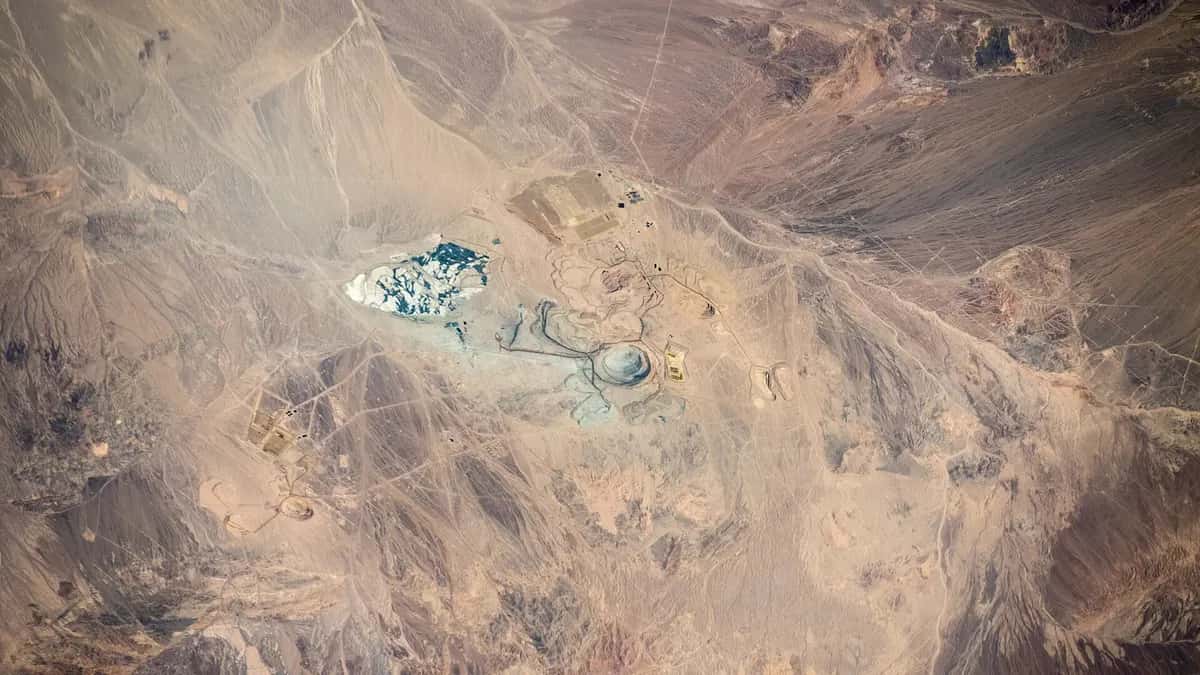
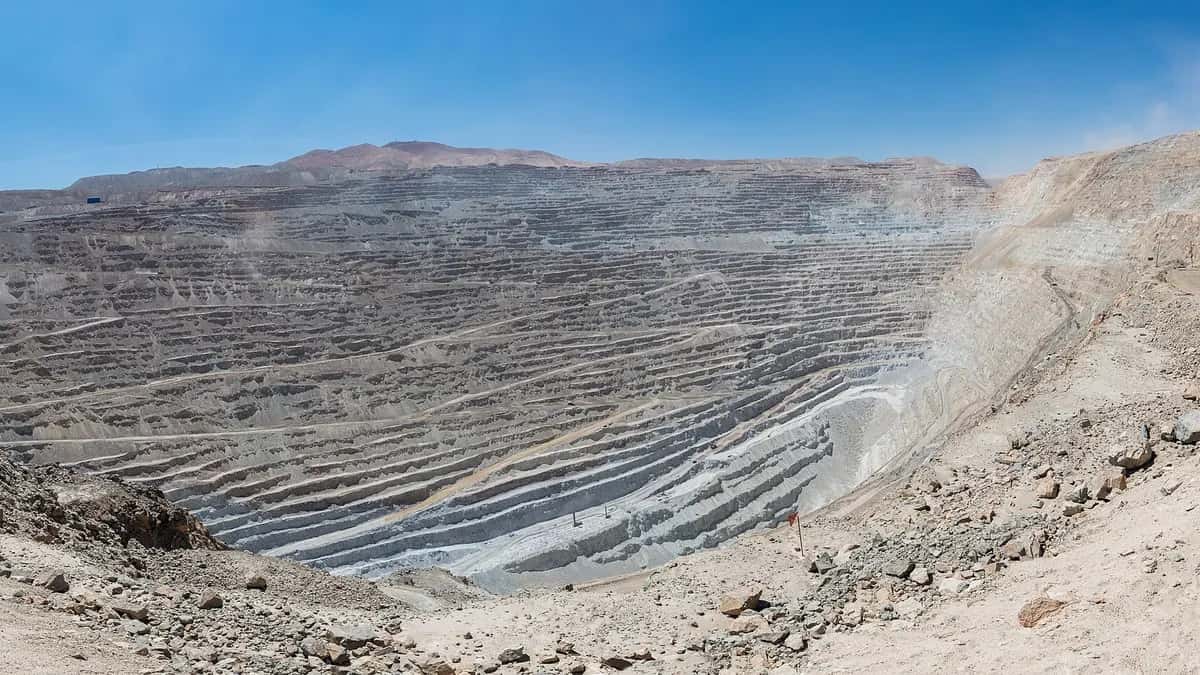
Minera Centinela operates in the Sierra Gorda district of the Antofagasta region and belongs to Antofagasta Minerals, the mining arm of Chile's Luksic group. It produces copper in two forms, concentrate and cathodes, which is why the company reports "Centinela Concentrates" and "Centinela Cathodes" separately.
Antofagasta Minerals ended 2025 with 653,700 tonnes of payable copper, 1.6% less than in 2024, according to Diario Financiero. In the first half of 2026 it produced 285,000 tonnes, 9.5% less than a year earlier, a decline the company attributed mainly to Los Pelambres and Centinela, according to Reporte Minero. It still kept its annual target of 650,000 to 700,000 tonnes.
| Antofagasta Minerals | Payable copper |
|---|---|
| 2025 production | 653,700 tonnes (-1.6%) |
| First half of 2026 | 285,000 tonnes (-9.5% year on year) |
| 2026 target | 650,000 to 700,000 tonnes |
During the strike, the company said it kept operating and met its production targets, with safety as the priority. The unions disputed this. Neither side published output figures for the period, so the actual effect of the stoppage on October tonnage is not yet known; it will become clear when Antofagasta Minerals publishes its quarterly reports.
The Centinela talks also show how legal strikes work in Chile. Once voted, a strike can continue while the parties negotiate, and the law allows them to request mediation from the Labour Directorate, first mandatory and then voluntary, as happened here. The earlier mandatory mediation ended without a deal, and the voluntary process that began on 13 October broke the deadlock, according to the Labour Directorate and Redimin.
During the strike the company said it could reach separate agreements with each union, respecting their autonomy. In the end, both unions signed under the same general terms, which their leaders said was the main goal: equal benefits within the same operation.
Why the Centinela strike worried the copper market
Chile is the world's largest copper producer, and any stoppage at a large operation moves supply expectations. The strike coincided with copper prices near record highs and with falling Chilean output, as we explained in copper near a record while Chile produces less.
The same weekend, the Labour Directorate helped close another front: Minera Escondida, operated by BHP, reached an agreement with Union No. 2 of Supervisors and Staff, averting a strike that was due to start on Wednesday, according to Cooperativa. With that, both strike threats in the Antofagasta region were defused.
What comes next after the end of the strike
- Back to normal: the 709 workers return to their shifts under the new three-year contract.
- Production: the October figure will appear in Antofagasta Minerals' quarterly report.
- Complaints: the unions' accusations of striker replacement before the Labour Inspectorate remain open.
- Chile's economy: mining weighs on growth in a weak year, which the IMF estimates at 0.6% (see the IMF cut).
Negotiation-closing bonuses in large-scale mining are among the highest in the country. As a reference, the 24 million peso bonus equals about 43 times Chile's monthly minimum wage of 553,553 pesos in force since May 2026 (our calculation; see the minimum wage in Chile).
Frequently asked questions
When did the Centinela strike end?
The company announced the agreement on 18 October 2026, after members approved the final offer on 17 October. The strike had begun on 7 October.
How large is the Centinela strike bonus?
The negotiation-closing and shift-renewal bonus is 24,000,000 pesos, according to the company. The contract runs for 36 months and includes pay and benefit improvements that were not detailed.
How many workers were on strike?
709, from the Trabajadores Minera Esperanza and Trabajadores Distrito Centinela unions, about 22% of the company's own workforce.
Did the strike affect copper output?
The company says it kept operating and met its targets. There are no public figures for the period; they will appear in Antofagasta Minerals' next quarterly report.