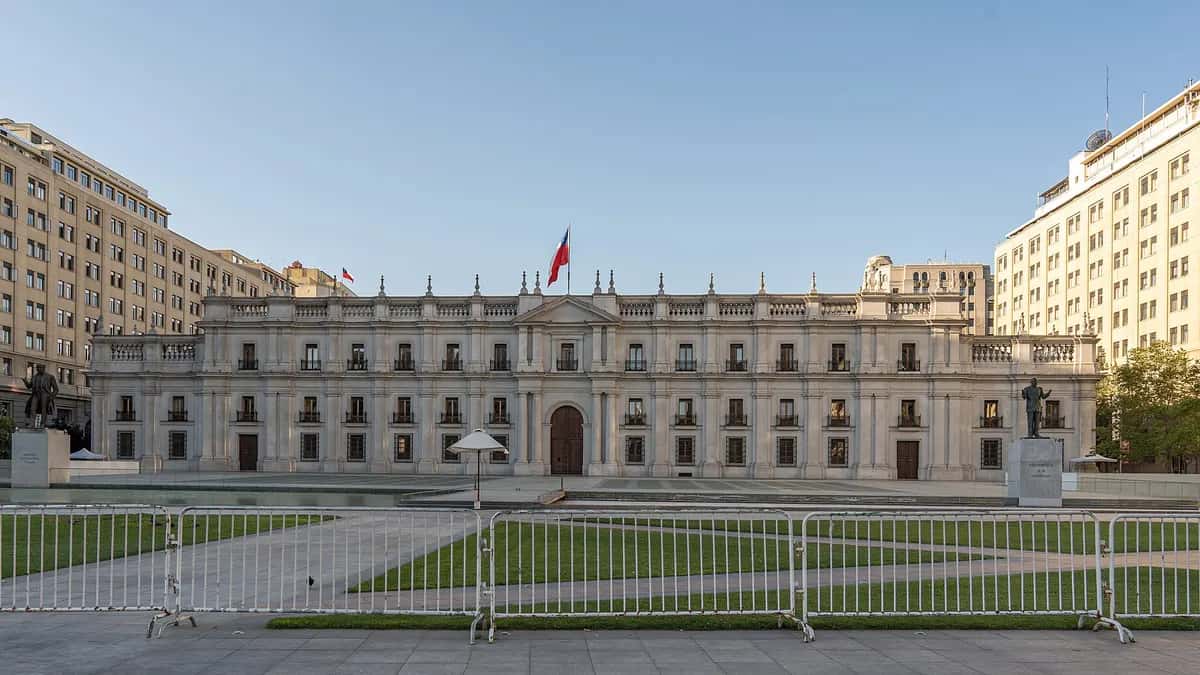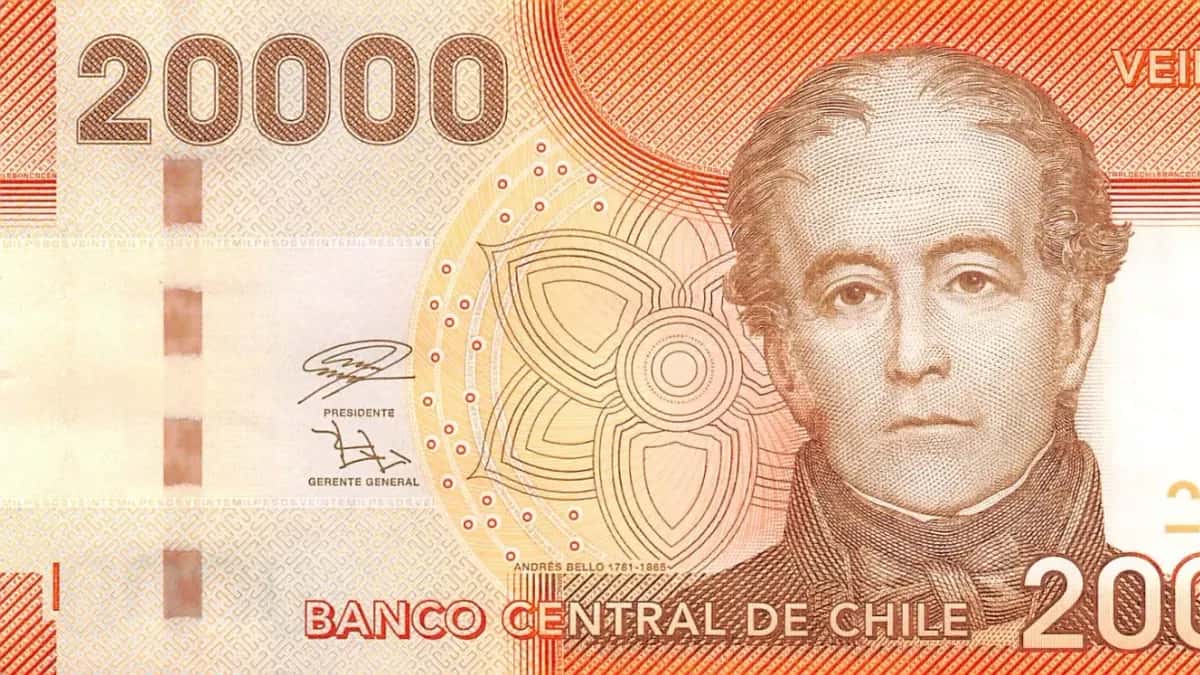
Chile's minimum wage has been 553,553 pesos gross per month since 1 May 2026, for workers aged 18 to 65. It was set by Law 21,830, published on 22 June, which also orders a new inflation adjustment on 1 January 2027. In 1990 it was 26,000 pesos: in current pesos it has multiplied by 21, although much of that rise is inflation.
How much is the minimum wage in Chile in 2026
| Type of minimum wage (since 1 May 2026) | Gross monthly amount, in Chilean pesos |
|---|---|
| Workers aged 18 to 65 | $553,553 |
| Under 18 and over 65 | $412,938 |
| For non-wage purposes | $356,815 |
The amounts are set out in Law 21,830, enacted on 18 June 2026. The raise was 2.7% over the 539,000 pesos in force since January and was paid retroactively from 1 May, as the Ministry of Labour explained. The amount is for a full-time job, which since April 2026 means 42 hours a week.
The minimum wage for non-wage purposes is not a salary: it is the figure used to calculate certain benefits, social security payments and fines that the law expresses in minimum wages.
Take-home pay
As our own rough calculation: a worker on a permanent contract has pension contributions (10% plus the pension fund's fee), 7% for health and 0.6% for unemployment insurance deducted, between 18% and 19% in total. That leaves a take-home minimum wage of around 450,000 pesos, a few thousand more or less depending on the pension fund.
When the minimum wage goes up again
On 1 January 2027. The law says that on that day the minimum wage is adjusted by the accumulated change in the consumer price index between 1 May and 31 December 2026. There is no amount fixed in advance: it will depend on inflation over those eight months. To follow it, see where inflation stands in Chile.
The latest raises, one by one
| In force since | Minimum wage |
|---|---|
| January 2022 | $350,000 |
| May 2022 | $380,000 |
| August 2022 | $400,000 |
| January 2023 | $410,000 |
| May 2023 | $440,000 |
| September 2023 | $460,000 |
| July 2024 | $500,000 |
| January 2025 | $510,636 |
| May 2025 | $529,000 |
| January 2026 | $539,000 |
| May 2026 | $553,553 |
In just over four years, between January 2022 and May 2026, the minimum wage went from 350,000 to 553,553 pesos. The most talked-about step was reaching 500,000 pesos in July 2024.
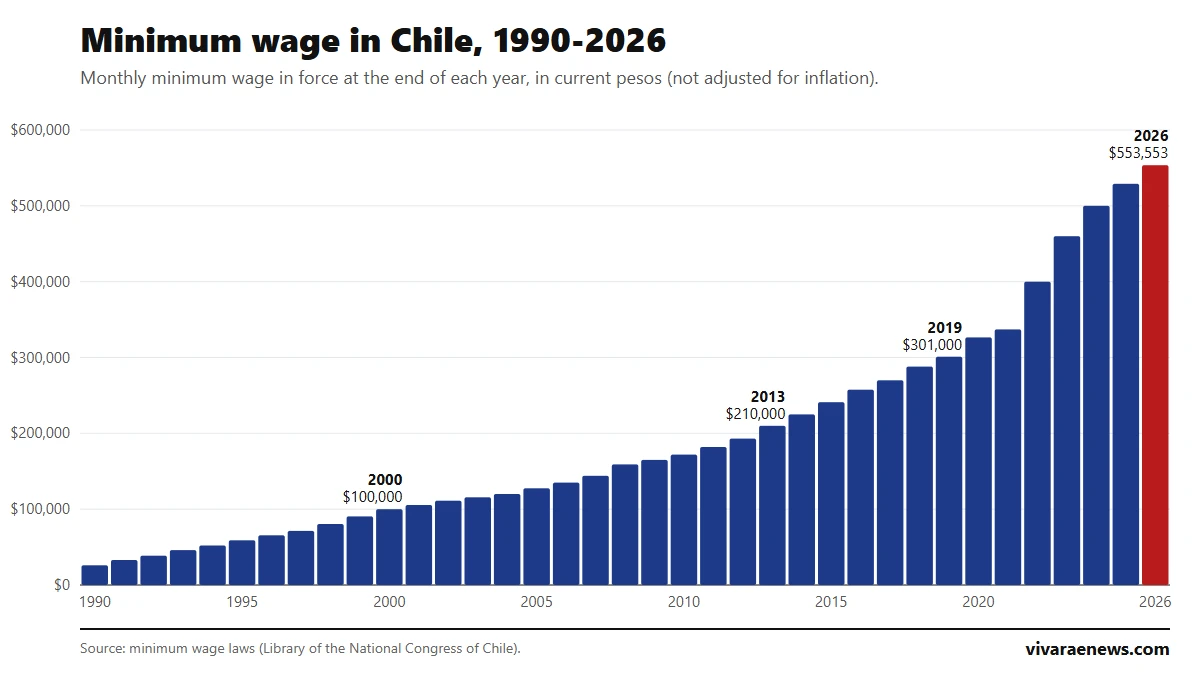
Minimum wage in Chile year by year, 1990 to 2026
The table shows the amount in force at the end of each year and how much it rose compared with the end of the previous year, in current pesos (not adjusted for inflation).
| Year | Minimum wage in December | Nominal raise in the year |
|---|---|---|
| 1990 | $26,000 | +44.4% |
| 1991 | $33,000 | +26.9% |
| 1992 | $38,600 | +17.0% |
| 1993 | $46,000 | +19.2% |
| 1994 | $52,150 | +13.4% |
| 1995 | $58,900 | +12.9% |
| 1996 | $65,500 | +11.2% |
| 1997 | $71,400 | +9.0% |
| 1998 | $80,500 | +12.7% |
| 1999 | $90,500 | +12.4% |
| 2000 | $100,000 | +10.5% |
| 2001 | $105,500 | +5.5% |
| 2002 | $111,200 | +5.4% |
| 2003 | $115,648 | +4.0% |
| 2004 | $120,000 | +3.8% |
| 2005 | $127,500 | +6.3% |
| 2006 | $135,000 | +5.9% |
| 2007 | $144,000 | +6.7% |
| 2008 | $159,000 | +10.4% |
| 2009 | $165,000 | +3.8% |
| 2010 | $172,000 | +4.2% |
| 2011 | $182,000 | +5.8% |
| 2012 | $193,000 | +6.0% |
| 2013 | $210,000 | +8.8% |
| 2014 | $225,000 | +7.1% |
| 2015 | $241,000 | +7.1% |
| 2016 | $257,500 | +6.8% |
| 2017 | $270,000 | +4.9% |
| 2018 | $288,000 | +6.7% |
| 2019 | $301,000 | +4.5% |
| 2020 | $326,500 | +8.5% |
| 2021 | $337,000 | +3.2% |
| 2022 | $400,000 | +18.7% |
| 2023 | $460,000 | +15.0% |
| 2024 | $500,000 | +8.7% |
| 2025 | $529,000 | +5.8% |
| 2026 | $553,553 | +4.6% |
The 1990 raise is the largest in the series: the minimum went from 18,000 to 26,000 pesos in June of that year, with inflation running above 20% a year. So far this century, the year with the largest nominal raise is 2022 (18.7%), also a year of double-digit inflation.
The milestones
- 100,000 pesos: June 2000.
- 200,000 pesos: August 2013, when it rose from 193,000 to 210,000.
- 300,000 pesos: March 2019 (301,000).
- 400,000 pesos: August 2022.
- 500,000 pesos: July 2024.
The 10 raises that added the most purchasing power
What matters is not how much the number goes up, but how much it goes up above prices. The Library of the National Congress (BCN) calculated the real change of each raise between 2000 and January 2025:
| Rank | Raise | New amount | Real change |
|---|---|---|---|
| 1 | June 2000 | $100,000 | +6.5% |
| 2 | August 2013 | $210,000 | +6.1% |
| 3 | May 2023 | $440,000 | +5.6% |
| 4 | July 2024 | $500,000 | +4.9% |
| 5 | July 2009 | $165,000 | +4.8% |
| 6 | September 2023 | $460,000 | +4.1% |
| 7 | March 2019 | $301,000 | +3.7% |
| 8 | May 2022 | $380,000 | +3.6% |
| 9 | July 2012 | $193,000 | +3.5% |
| 10 | June 2002 | $111,200 | +3.4% |
According to that BCN report, from May 2025, the minimum wage rose about 122% in real terms between 1999 and 2025, an average of 3.2% a year. There were also raises that did not cover accumulated inflation: those of January 2022 (−2.4%), January 2023 (−1.0%) and January 2025 (−0.3%).
How it compares with other countries
The same report compares Chile with the OECD using 2023 data. Measured in purchasing power, Chile's minimum wage was the second lowest in the group, just above Mexico's. But it was equal to 70% of the country's median wage, the third-highest ratio. The BCN's reading: the minimum wage is close to what the typical worker earns because Chile's median wage is also among the lowest in the OECD.
How to read these figures
- They are gross amounts. Before pension, health and unemployment insurance deductions.
- Nominal raises mislead. To compare decades you have to strip out inflation; that is why the real-change table starts in 2000, which is what the BCN calculated.
- It is a floor for full-time work. Part-time contracts pay the corresponding proportion.
To compare with other incomes, see how much a teacher earns in Chile or how much a member of Congress earns. And for the jobs context, the ranking of unemployment in Chile over the last 50 years.
Frequently asked questions
How much is the minimum wage in Chile in 2026?
553,553 pesos gross per month since 1 May 2026, for workers aged 18 to 65. Between January and April it was 539,000 pesos.
When does it go up again?
On 1 January 2027, by the accumulated consumer price inflation between May and December 2026.
How much is the take-home minimum wage?
Around 450,000 pesos on a permanent contract, depending on the pension fund. It is an estimate based on the legal deductions.
How much was the minimum wage in 1990?
26,000 pesos from June 1990; before that date, 18,000 pesos.