The Bicameral Budget Committee of Peru's Congress approved on Wednesday, October 21, 2026, a supplementary budget (crédito suplementario) of S/ 8,228 million for 2026, with 32 votes in favor, none against and 2 abstentions, [Congress](https://comunicaciones.congreso.gob.pe/noticias/comision-bicameral-de-presupuesto-aprueba-credito-suplementario-para-fenomeno-el-nino-y-fortalecimiento-en-sectores/) reported. The amount equals 3.19% of the available budget and will go to public works, health, education, social programs and El Niño prevention.
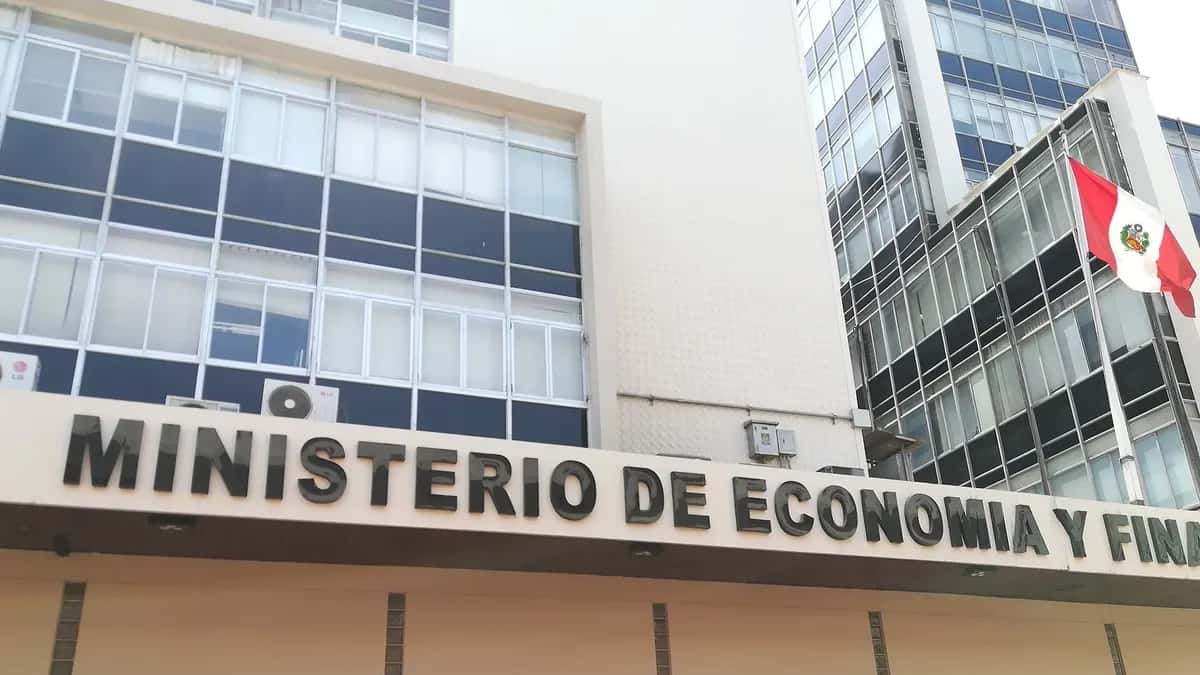
The bill, number 5/2026-2031-CR, reflects the request of the Ministry of Economy and Finance (MEF), headed by Elmer Cuba. These are the key points of the supplementary budget and the debate it sparked.
Where the supplementary budget goes
| Destination | Amount (S/ million) | Detail |
|---|---|---|
| Unavoidable obligations | 1,596.7 | Pensions of the Military Police Pension Fund and commitments to the fuel price stabilization fund |
| Transport and Communications | 1,038 | Lima Metro Line 2, rail concessions and bridges |
| Education | 762 | Maintenance of 12,054 school buildings |
| Health | 691 | Health services, universal insurance and anemia |
| El Niño emergencies | 581 | Emergency work and vulnerability reduction |
| School kits and other items | 516 | More than 1.2 million students in poverty, markets and Fondepes |
| Water and sanitation | 380 | Investment in the sector |
| Social programs | 304 | Includes an extra S/ 350 payment for Pensión 65 and kitchens for soup kitchens |
| Irrigation and agriculture | 247 | Maintenance of small irrigation works |
| Llamkasun Perú | 201 | Temporary employment |
Sources: Congress for the unavoidable obligations and Infobae for the rest, based on the breakdown the MEF presented in early October. The items in the table add up to about S/ 6,317 million (our calculation); the remainder is not broken down in the sources reviewed. Sources differ on how much goes to El Niño: the specific item is S/ 581 million, but according to Exitosa about 25% of the total will address the climate emergency, because several water, irrigation and maintenance projects also aim to reduce risks.
How the supplementary budget is financed
| Source of financing | Share | Approximate amount (our calculation) |
|---|---|---|
| Ordinary resources (higher Sunat tax revenue) | 46.2% | S/ 3,801 million |
| Borrowing through sovereign bonds | 53.8% | S/ 4,427 million |
The MEF attributes higher revenue to strong copper prices and economic momentum (Infobae). Minister Cuba said the proposal complies with the fiscal deficit rule; as of August, the 12-month cumulative deficit was 1% of GDP.
Criticism of the supplementary budget
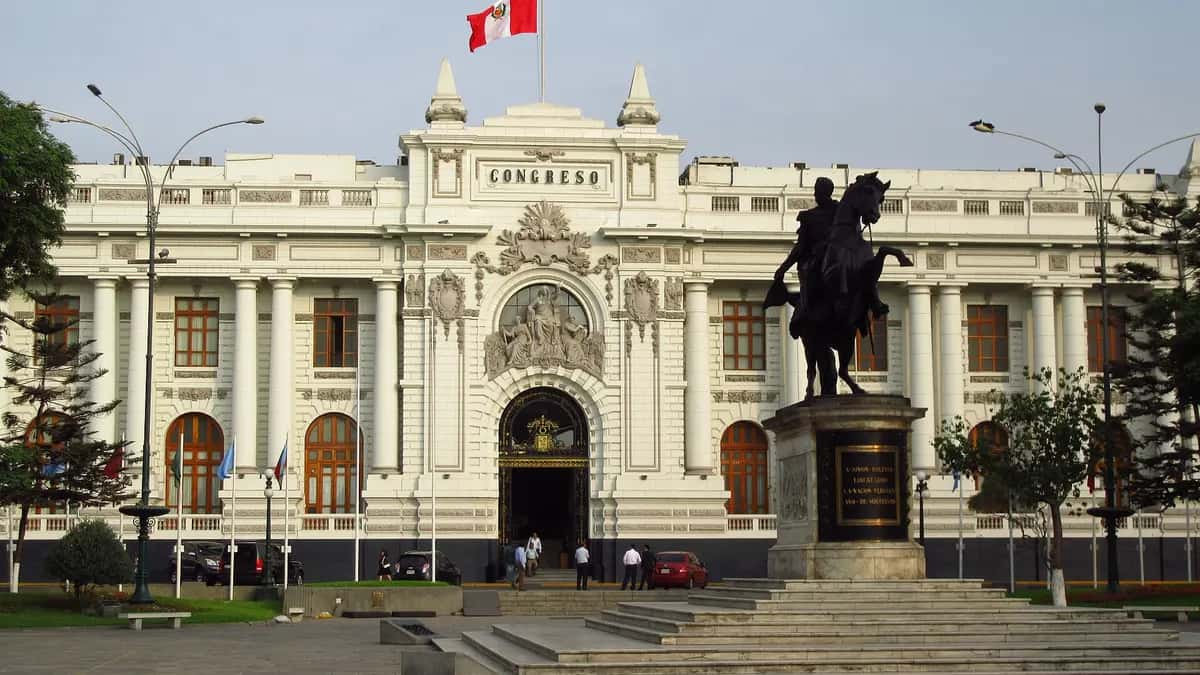
The vote was broad, but there were objections. Deputy Katherine Ampuero (Renovación Popular) questioned financing almost half with bonds and asked for the cost: "if we are going into debt, we have the right to know how much it will cost us." She also questioned a S/ 15 million item for an extraordinary bonus for MEF administrative staff (El Comercio; Congress).
Cuba defended the cost of the debt: "Many neighboring countries, except Chile and Uruguay, pay interest rates above 8%, 9% or 10%," he said, according to El Comercio. He also said the credit is not only about El Niño: "even if there had been no Niño, it was necessary," because of structural spending such as pensions, health and education (Exitosa). Committee chair José Arista (Fuerza Popular) explained that the funds for the military-police pension fund should have been covered by an earlier credit, but "unfortunately it was not done."
The supplementary budget and El Niño
The credit is being debated as Peru prepares for a coastal El Niño that ENFEN has described as extraordinary (see what ENFEN says and which regions are at risk). On October 7, Cuba said the government was considering an expansionary fiscal policy to cushion the rise in oil prices and global interest rates (NotiPerú). The minister projected that Peru will grow 3.4% in 2026, possibly a little less, but not below 3% (Exitosa).
| Data point | Value |
|---|---|
| Size of the supplementary budget | S/ 8,228 million |
| Increase over the available 2026 budget | 3.19% |
| Vote in the Bicameral Committee | 32 in favor, 0 against, 2 abstentions |
| Specific item for El Niño | S/ 581 million |
| Growth expected by the MEF in 2026 | 3.4% |
| IMF projection for Peru in 2026 | 3.0% |
The IMF projection is in the Latin America growth ranking. None of the official notes reviewed set a date for the next stage of the process; we will update this article when the credit is approved by the full Congress and published in El Peruano. To see what the lawmakers debating these funds earn, read how much members of Congress earn in Peru.
Frequently asked questions
What is a supplementary budget?
A law that adds resources to the current year's budget, from higher revenue or borrowing, for spending that was not planned or was insufficient.
How large is Peru's 2026 supplementary budget?
S/ 8,228 million, equal to 3.19% of the available budget.
How much goes to El Niño?
The specific item is S/ 581 million. Other water, irrigation and maintenance items also aim to reduce risks.
How is it financed?
46.2% from higher tax revenue and 53.8% from sovereign bond issuance.
Is it law yet?
No. It was approved by the Bicameral Budget Committee on October 21, 2026; final approval and publication are still pending.