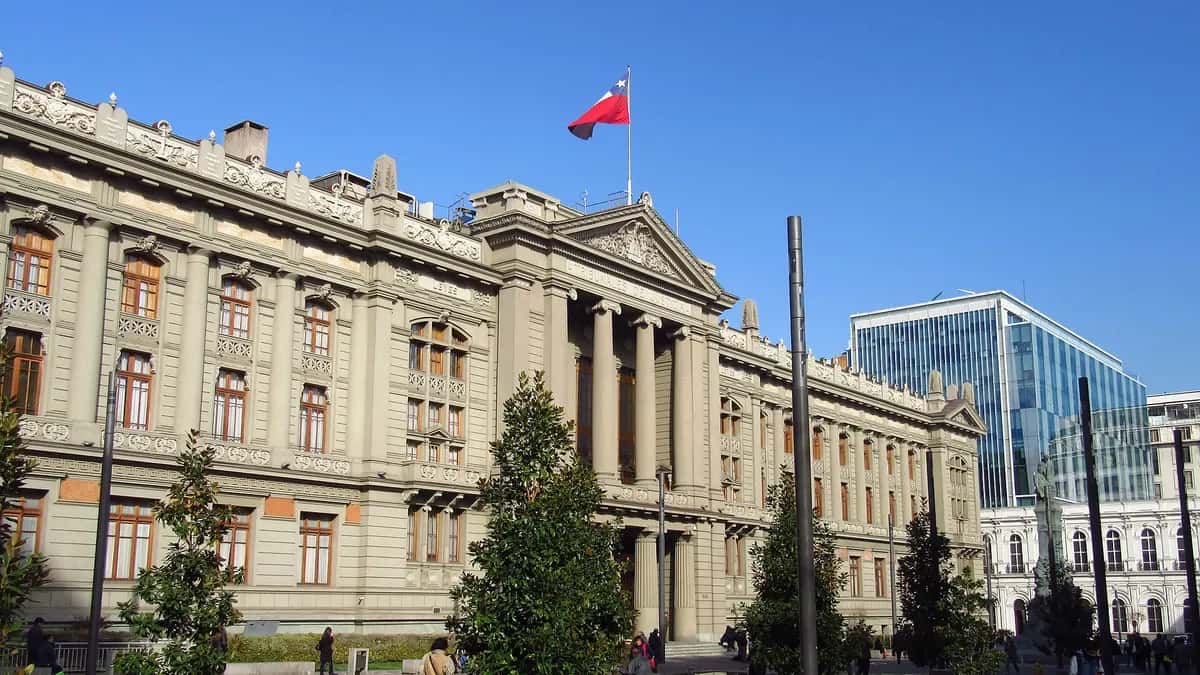
Keiko Fujimori's request for legislative powers is stuck in the Peruvian Senate's Constitution Committee, which failed to vote all week and whose deadline would expire on Monday 19 October 2026, according to [Diario Correo](https://diariocorreo.pe/politica/las-facultades-en-riesgo-de-ir-directo-al-poder-ejecutivo-noticia/). The Chamber of Deputies approved on 6 October delegating 20 of the 66 requested items to the executive, only on public security and the El Niño phenomenon, for 90 days.
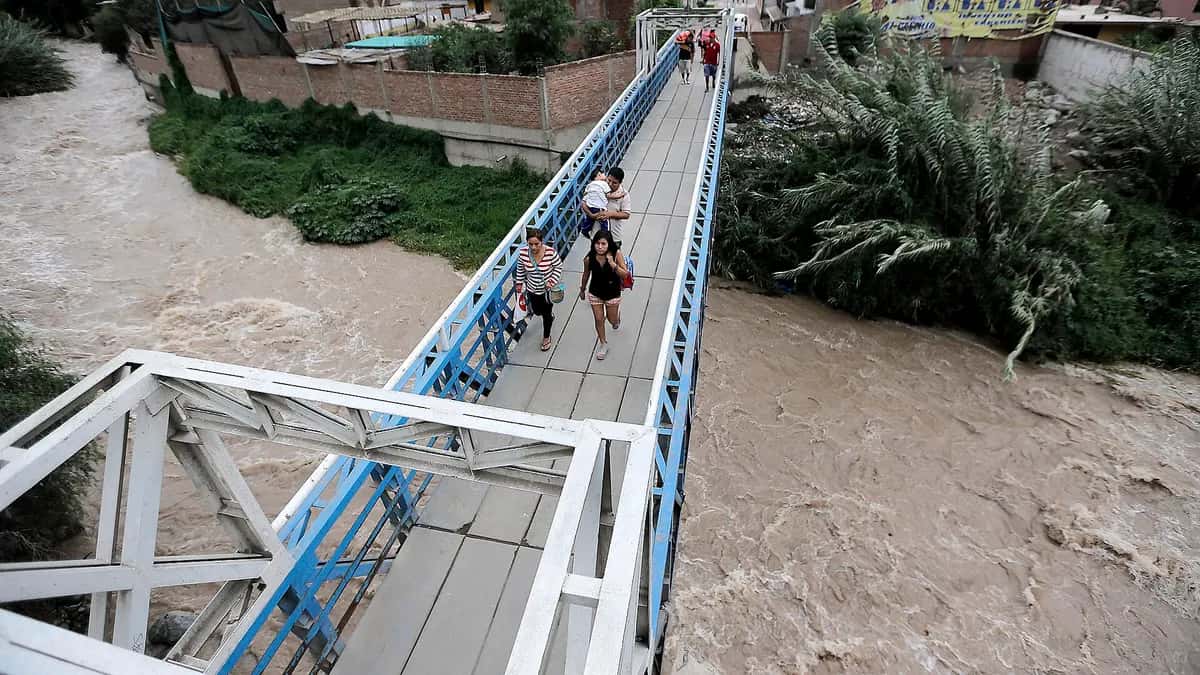
The deadlock comes as Peru's El Niño committee (ENFEN) warns that the coastal El Niño could reach an extraordinary magnitude until January 2027. This is what the government requested, what the deputies approved and what could happen if the Senate does not decide.
Which legislative powers the government requested
On 28 August, the executive asked for powers to legislate by decree on 66 items for 120 days, in eight areas: public security, small businesses, employment, administrative simplification, productive development, taxes, state reform, and housing and sanitation, according to Gestión.
| Item | Executive's request | Approved by Deputies |
|---|---|---|
| Scope | 66 items in 8 areas | 20 items in 2 areas |
| Areas | Security, small businesses, jobs, taxes, state, housing and others | Public security and El Niño |
| Term | 120 days | 90 calendar days |
| Date | 28 August 2026 | 6 October 2026 |
The final vote in the Chamber of Deputies was 66 in favor, 35 against and 24 abstentions according to Gestión (Infobae reported 34 against). The text had first been rejected (49 to 73), before a reconsideration passed. Deputies left out classifying criminal organizations as terrorism and expanding self-defense rules.
Why the legislative powers are stuck in the Senate
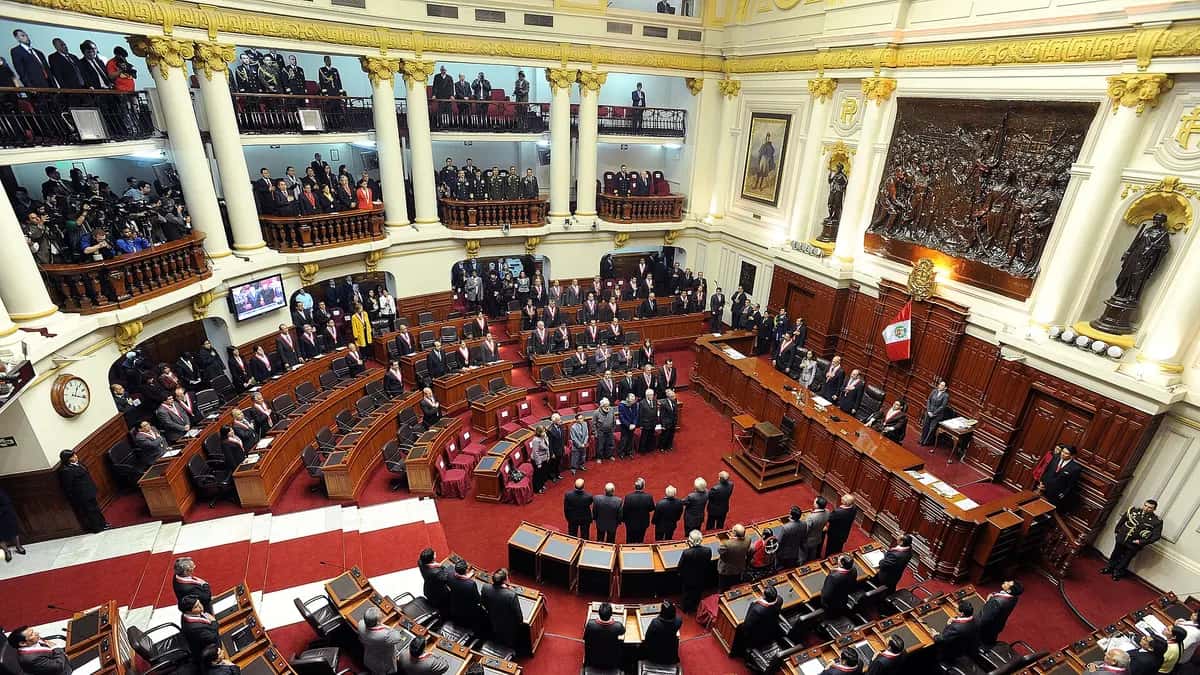
Under the two-chamber Congress Peru launched in 2026, the text went to the Senate. Its Constitution Committee, chaired by Carlos Mesía (Fuerza Popular), drafted a pre-report that keeps the two areas but adds new items, such as a role for the armed forces in prisons (Infobae). Sources disagree on the number: El Comercio speaks of eight extra items and Correo of a jump from 20 to 27.
| Day | What happened in the Senate Constitution Committee |
|---|---|
| Thursday 15 October | Senators from Juntos por el Perú, Ahora Nación, Buen Gobierno and Obras walked out, leaving no quorum. No vote. |
| Friday 16 October | No session. An advisers' meeting was attended only by Fuerza Popular and Renovación Popular staff, according to El Comercio. |
| Monday 19 October | A new session was floated, conditional on prior consensus. |
Mesía told RPP: "I will convene the committee as long as there is a consensus on what we are going to debate", warning that without consensus "there will be no delegated powers", according to El Comercio. Alfonso López Chau (Ahora Nación) backed the 20 items approved by the deputies, with no additions.
What happens to the legislative powers if the Senate misses the deadline
According to Correo, the seven working-day deadline for the Senate expires on Monday 19 October. Lawyer Enrique Ghersi argues that if the Senate does not decide, Article 105 of the Constitution requires its president to enact the bill as approved by the deputies, without the additions. It would be the first time this mechanism, which some call "positive parliamentary silence", is used.
Not everyone shares that reading. Alternate senator Juana Ticona (Obras) said the rules allow the report to be sent with only what the deputies approved, while Juan Carlos del Águila (Fuerza Popular) said the full Senate will have the last word.
| Scenario | Outcome |
|---|---|
| The Senate approves the deputies' text | The executive gets 20 powers for 90 days on security and El Niño |
| The Senate approves a text with additions | Differences would have to be settled between both chambers |
| The Senate rejects it | No delegation of powers |
| The Senate misses the deadline | According to Ghersi, the deputies' text would be enacted; this reading is disputed |

El Niño, the government's argument
President Fujimori asked on 8 October to "set aside old political quarrels", and from Piura she again called for unity in the face of El Niño. Agriculture Minister Marco Vinelli said the 20 approved powers "are not enough", and Defense Minister Rafael Belaúnde objected that the text leaves out agricultural, economic and mining issues.
ENFEN's latest report, published by Infobae on 17 October, projects that the coastal El Niño would remain extraordinary off Peru until January 2027 and then ease to strong until early autumn. It expects above-normal rain on the northern and central coast and the northwestern highlands, and possible water shortages in the south. The next statement is due on 30 October.
What the government could do with 20 powers
The deputies' text authorizes legislative decrees in two areas. On security, the focus is coordination between the police and the armed forces: on 7 October the president presented a unified command that would bring both together, according to Infobae. On El Niño, the delegation would allow prevention works, procurement and reconstruction to be accelerated in areas exposed to rain and floods, without sending each rule to Congress. Decrees must be reported to Congress, which can review and amend them.
The opposition argues the government already has prevention tools, such as clearing ravines. The debate comes as Fujimori's approval falls, as shown by the Ipsos poll that put it at 40%. For lawmakers' pay, see how much members of Congress earn in Peru.
Frequently asked questions
What are legislative powers in Peru?
An authorization from Congress for the executive to issue legislative decrees with the force of law on specific matters and for a set period.
How many powers did Keiko Fujimori request?
66 items in eight areas for 120 days. The deputies approved 20 items on security and El Niño for 90 days.
When does the Senate deadline expire?
On Monday 19 October 2026, according to Diario Correo, which counts seven working days.
What does ENFEN say about El Niño?
That the coastal El Niño could be extraordinary until January 2027 and remain strong until autumn.