Mexico's Digital Economy Law for Digital and Electronic Payments was published in the Official Gazette of the Federation (DOF) on Wednesday, November 4, 2026, and took effect on Thursday, November 5, under its first transitory article. From today, the Finance Ministry (SHCP) has 15 business days to determine the strategic sectors and activities in which digital payment "may be the only form of payment", as Article 13 puts it.
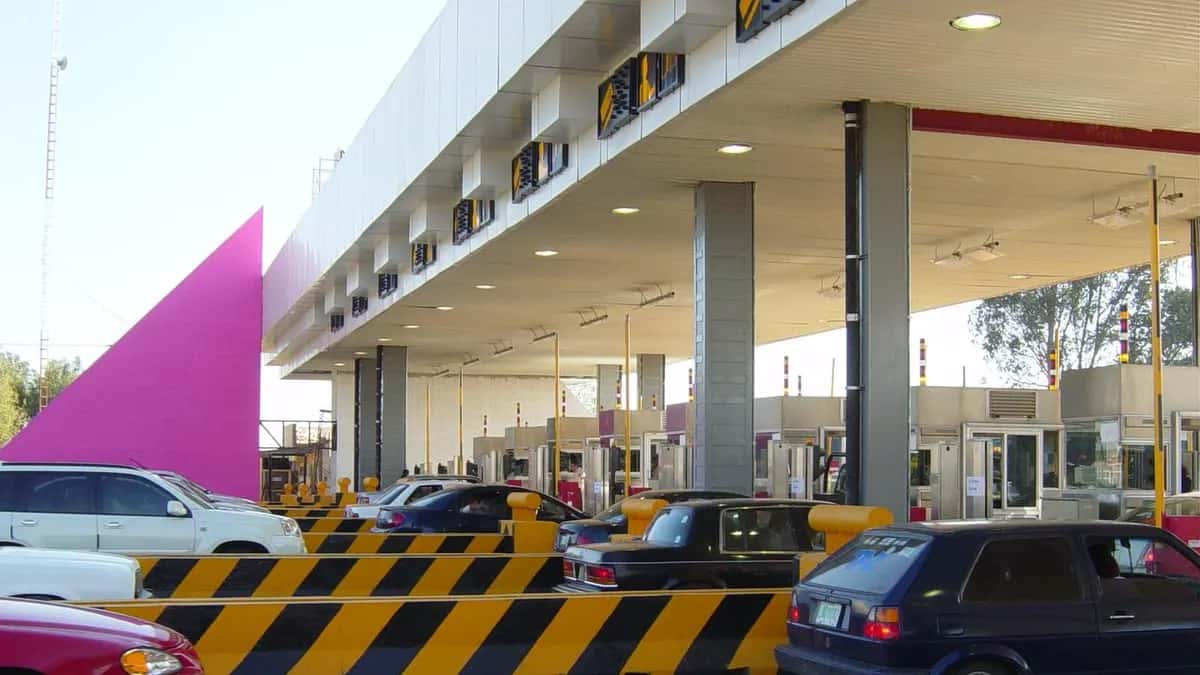
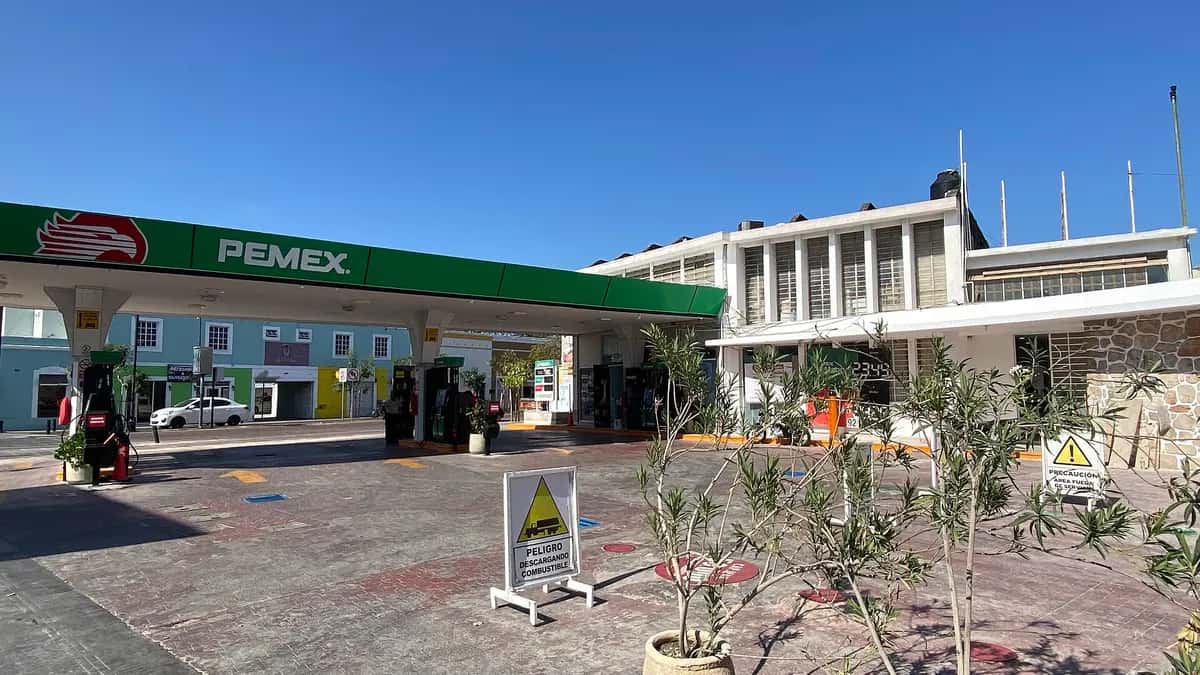
The decree is signed by President Claudia Sheinbaum and Interior Minister Rosa Icela Rodríguez and dated November 4. The law does not ban cash in general: it requires governments to accept electronic payments for procedures and leaves it to the Finance Ministry to decide where only digital payment will be accepted. Toll booths and gas stations are the first candidates, according to Infobae and Expansión. What the law is and how it was voted is in our explainer on Mexico's Digital Economy Law.
When Mexico's Digital Economy Law takes effect
The text published in the DOF sets four deadlines. The law applies from the day after publication; the Finance Ministry has 15 business days to publish its list of sectors; and the authorities in each sector have another 15 business days, counted from that list, to issue operating rules and the "specific mechanisms and deadlines" for a gradual transition from cash to digital payment.
View the data as a table
| Business days for the Finance Ministry to name the sectors | 15 |
| Business days for each sector's rules | 15 |
| Purchases of 500 pesos or less paid in cash | 85.2% |
| Deadline | What the decree says | Estimated date |
|---|---|---|
| Publication | Decree issuing the Digital Economy Law for Digital and Electronic Payments | November 4, 2026 |
| Entry into force (first transitory article) | The day after publication in the DOF | November 5, 2026 |
| Finance Ministry list (third transitory article) | 15 business days after entry into force to name the sectors where digital payment may be the only form of payment | Around November 27, 2026* |
| Rules for each sector (fourth transitory article) | 15 business days after the Finance Ministry list, with conditions, requirements and transition periods | Around December 18, 2026* |
*Vivarae News estimate: business days counted from November 6, excluding weekends and Monday, November 16, a mandatory holiday for Revolution Day. If the Finance Ministry publishes its list earlier, the second deadline moves up as well. The law sets no date by which all businesses must stop taking cash: each sector will have its own timetable.
- Oct 6, 2026Passed by the Chamber of Deputies327 votes in favor and 122 against on the articles.
- Oct 20, 2026Passed by the Senate73 in favor and 34 against in general; sent to the Executive unchanged.
- Nov 4, 2026Published in the DOFDecree signed by Claudia Sheinbaum and Rosa Icela Rodríguez.
- Nov 5, 2026Takes effectAll three levels of government must accept digital payments for procedures.
- ≈ Nov 27, 2026Finance Ministry deadlineList of sectors where digital payment may be the only option.
- ≈ Dec 18, 2026Rules for each sector15 business days after the Finance Ministry list, with gradual transition periods.
Where cash will stop being accepted under the Digital Economy Law
The decree does not name any sector. Article 13 says the SHCP "will determine the strategic sectors and relevant activities in which the acceptance of Digital and Electronic Means of Payment may be the only form of payment", and the third transitory article allows it to expand that list later. So far, the government has mentioned highway toll booths and gas stations as the first areas, according to Infobae and Surtidores.
| Who | What changes from November 5 | Article |
|---|---|---|
| Federal, state and municipal governments | Must take the necessary steps to accept digital payments for procedures and services | Art. 10 |
| Shops and service providers | May implement digital payments; must enable the infrastructure, disclose which methods they accept and address outages | Arts. 11 and 12 |
| Sectors chosen by the Finance Ministry | Digital payment may be the only form of payment, with a gradual transition | Arts. 13 and 14 |
| If the terminal or internet fails | Cash or check payment is allowed; the outage cannot be permanent or recurring | Arts. 15 and 16 |
| Banks and financial institutions | Will accept the digital CURP ID and the Digital Citizen File to open services remotely | Arts. 5 to 9 and 20 |
Source: text of the law published in the DOF. Banks have said implementation will be gradual: the Mexican Banking Association said cash will not be banned and the transition will be phased, according to La Jornada, and bankers quoted by Expansión said implementation "will not be draconian".
How much cash is used in Mexico
The starting point explains why the law goes in stages. According to the 2024 National Financial Inclusion Survey by INEGI and the CNBV, 85.2% of people pay cash for purchases of 500 pesos or less, and 73.5% also do so for larger purchases, according to a summary by Alto Nivel. In rural areas, cash reaches 94% of small purchases.
| Most frequent payment method | Purchases of 500 pesos or less | Purchases over 500 pesos |
|---|---|---|
| Cash | 85.2% | 73.5% |
| Cards | — | 19% |
| Transfers or mobile apps | — | 7.6% |
Source: ENIF 2024 by INEGI and CNBV, via Alto Nivel.
How it was approved and the criticism that remains
The Chamber of Deputies approved the law on October 6, 2026, with 327 votes in favor and 122 against on the articles, and the Senate passed it unchanged on October 20, with 73 votes in favor and 34 against in general, according to El Economista. PAN, PRI and Movimiento Ciudadano voted against.
View the data as a table
| In favor | Against | |
|---|---|---|
| Deputies | 327 | 122 |
| Senado | 73 | 34 |
The main criticism targets Article 13. Lawyers consulted by Expansión warned that the law does not define a "strategic sector" or set criteria or thresholds, leaving the decision to the Finance Ministry's discretion and possibly taking the issue to court. The opposition also questioned that the cost of terminals, internet and fees falls on small businesses. For household budgets, prices remain under pressure: Mexico's inflation rose to 3.62% in the first half of October, and Buen Fin 2026 again rewards card payments.
Frequently asked questions
When was the Digital Economy Law published in the DOF?
On November 4, 2026, under the title "Decree issuing the Digital Economy Law for Digital and Electronic Payments".
Since when is it in force?
Since November 5, 2026, the day after publication, under the first transitory article.
Can you no longer pay cash in Mexico?
You can. The law does not ban cash in general. The Finance Ministry will define sectors where digital payment may be mandatory, and each sector will have a transition timetable.
When will we know which sectors will be digital-only?
The Finance Ministry has 15 business days from entry into force. By Vivarae News' count, the deadline falls around November 27, 2026.
What happens if the terminal is down?
Article 15 allows cash or check payment when an outage prevents digital payments, but that outage cannot justify permanent non-compliance.