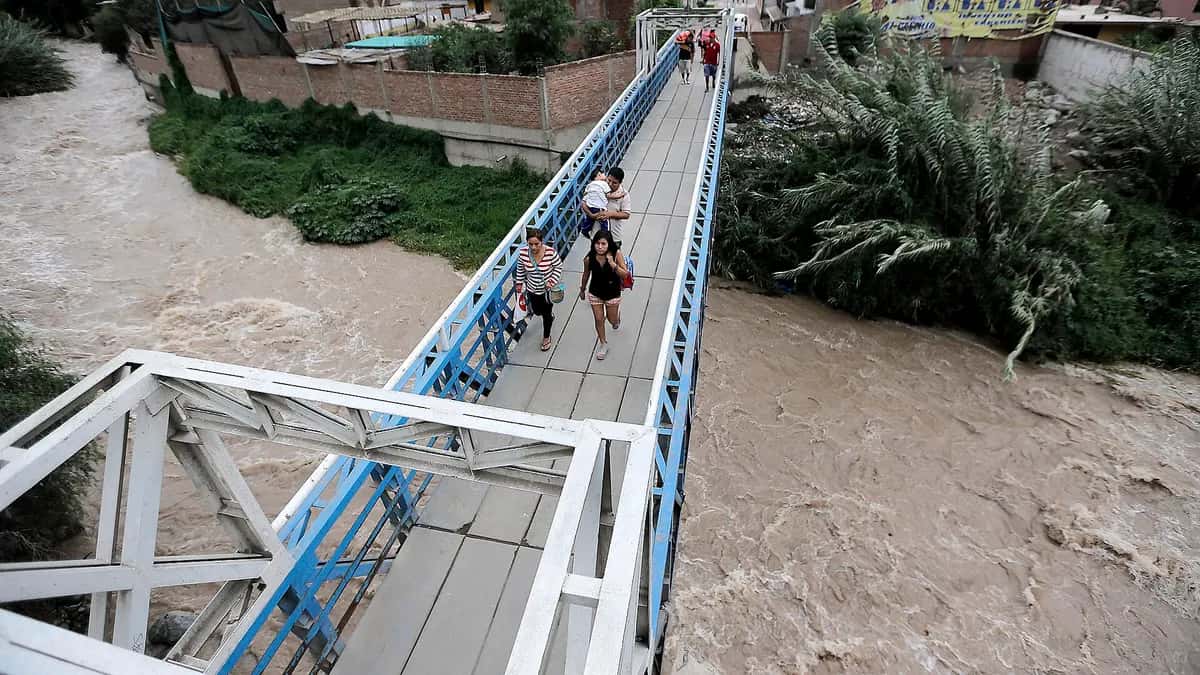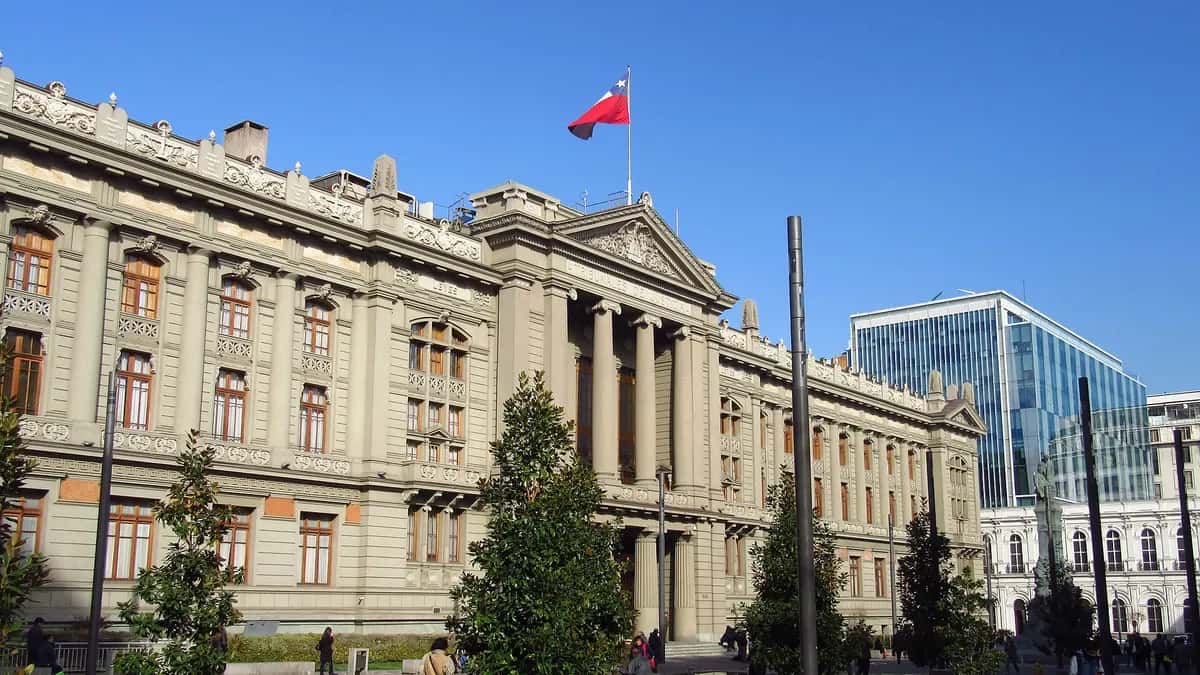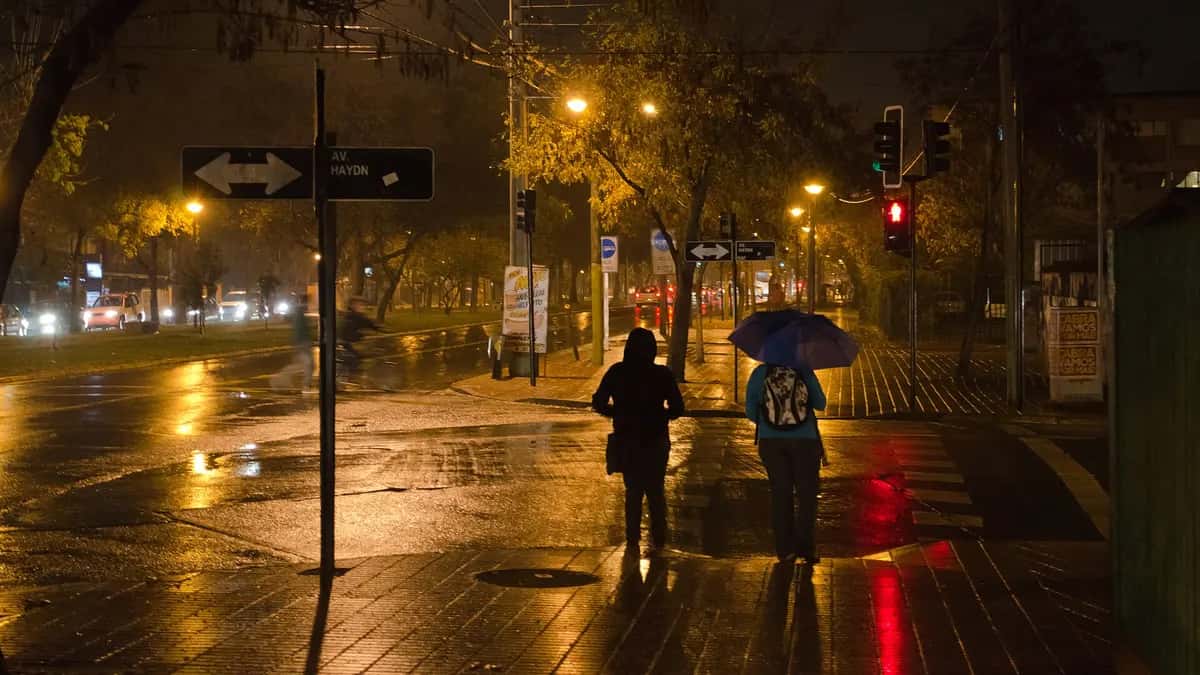
Chile's government declared a preventive climate emergency from the Coquimbo Region to the Biobío Region, in force from Sunday 18 to Friday 23 October 2026, ahead of a new frontal system bringing heavy rain, hail and a risk of landslides. President José Antonio Kast announced the measure on Saturday night on X, and the Interior Ministry made it official, according to Meganoticias and 24 Horas.
The decision came hours after an avalanche in the Andes in the Valparaíso Region killed three people. Here is which regions the preventive climate emergency covers, what it allows, how much rain the Chilean Weather Service expects and what the authorities recommend.
What Chile's preventive climate emergency is
In the president's words, the measure "will provide resources and a special state of alert in the face of this possible emergency". 24 Horas explains that the declaration allows funds to be used immediately and preparations to be coordinated before any damage occurs, based on technical reports from the National Disaster Prevention and Response Service (Senapred) and the weather service.
According to Infobae, the decree answers a request from Senapred under Law 21,364, which created Chile's national disaster prevention and response system. It is not a constitutional state of exception: it does not restrict rights or put the armed forces in charge of public order.
| Item | Detail |
|---|---|
| Measure | Preventive climate emergency |
| Area | From the Coquimbo Region to the Biobío Region |
| In force | Sunday 18 to Friday 23 October 2026 |
| Requested by | Senapred, according to Infobae |
| What it allows | Using resources in advance and strengthening response protocols |
| What it is not | A constitutional state of exception |
Which regions the preventive climate emergency covers
Sources describe the area as the stretch "from the Coquimbo Region to the Biobío Region". That stretch includes seven regions, as Meganoticias reported. Some reports, such as Infobae's, mention "two regions", but they refer to the two ends of the stretch.
| Region | Regional capital |
|---|---|
| Coquimbo | La Serena |
| Valparaíso | Valparaíso |
| Metropolitan | Santiago |
| O'Higgins | Rancagua |
| Maule | Talca |
| Ñuble | Chillán |
| Biobío | Concepción |

How much rain: the weather service warning
The main event is expected on Tuesday 20 October. The Chilean Weather Service (DMC) issued a warning for moderate to heavy rain over a short period in five central regions, valid from the afternoon to the night of that day. These are the totals reported by Megatiempo, in millimeters:
| Region | Coastal range | Valley | Andean foothills |
|---|---|---|---|
| Coquimbo | 15 to 25 mm | No data | 20 to 30 mm |
| Valparaíso | 20 to 30 mm | No data | 25 to 35 mm |
| Metropolitan | 25 to 35 mm | 20 to 30 mm | 25 to 35 mm |
| O'Higgins | 20 to 30 mm | 20 to 30 mm | 25 to 35 mm |
| Maule | No data | 25 to 35 mm | 25 to 35 mm |
Totals change as forecasts are updated, and other outlets published somewhat lower ranges for Santiago (15 to 25 mm in the valley). The safest option is to check the current warning on the Chilean Weather Service website before going out.
A rainy October because of El Niño
For scale: Santiago normally gets about 12 mm of rain in the whole of October, according to climatologist Raúl Cordero (University of Santiago) in La Tercera. The frontal system at the start of the month alone was forecast to bring more than 35 mm, something not seen in October since 2017. With the new front, this could be the wettest October in the capital in a decade.
The underlying cause is El Niño, one of the strongest on record in 2026. It is associated with rainy springs in central Chile, and the DMC's quarterly bulletin projects above-normal rain from October to December in the center and south. In Peru, the same event has the northern coast on alert, as we explain in our story on the powers Keiko Fujimori is seeking to face El Niño.
The Portillo avalanche that preceded the measure
On Saturday 17, at around 2:45 p.m., an avalanche caught seven people near Laguna del Inca, next to the Portillo ski resort, in an area outside the authorized ski runs at about 4,000 meters. Three died and four suffered hypothermia, according to Infobae. Senapred first reported four deaths and later corrected the figure.
The presidential delegate for Valparaíso, Manuel Millones, warned that the accumulated snow "is very dangerous because it is more likely to break loose". This season has the largest snow accumulation in more than 40 years, and the resort extended its season to 12 October, when it normally closes in September.
What to do during the preventive climate emergency
The president asked people to "take preventive measures", follow official channels and plan how to react. These are Senapred's usual recommendations for frontal systems:
- Clean gutters, roofs and drains before Tuesday 20 to avoid flooding.
- Avoid the mountains and ravines while the warning lasts: rain on top of heavy snow raises the risk of avalanches and mudflows.
- Do not cross flooded streets or underpasses, on foot or by car.
- Keep a flashlight, a battery radio and a charged phone in case of power cuts.
- Follow the Emergency Alert System (SAE) messages that Senapred sends to phones in the affected area.
Decisions to suspend school classes are taken by the Education Ministry and school operators, not by the emergency itself. For the economic backdrop in Chile, see the IMF's cut to Chile's growth forecast.
Frequently asked questions
How long does Chile's preventive climate emergency last?
From Sunday 18 to Friday 23 October 2026, according to the government's announcement.
Which regions are covered?
The whole stretch from Coquimbo to Biobío: Coquimbo, Valparaíso, Metropolitan, O'Higgins, Maule, Ñuble and Biobío.
When will it rain most in Santiago?
The DMC warning focuses on the afternoon and night of Tuesday 20 October, with 20 to 30 mm in the valley and 25 to 35 mm in the foothills, according to Megatiempo.
Is it a state of exception?
No. It is an administrative tool to use resources and coordinate preparations. It does not restrict rights.