About 50% of the active public investment projects in Peru, between 120,000 and 140,000 in early 2026, are halted, stalled or abandoned, according to a presentation by World Bank economist Antonio Cusato at CADE Ejecutivos 2026, reported by Gestión on November 25. The outstanding balance to finish those projects totals S/ 654 billion, 60% of GDP: more than ten years of public investment devoted solely to completing what has already been started.
At the same event, in Urubamba (Cusco), Central Reserve Bank president Julio Velarde said that "public management is not bad, it is terrible," according to La República. These are the World Bank and Comptroller's Office figures on stalled public works in Peru, by region, by level of government and by size.
View the data as a table
| Projects halted | ~50% |
| Outstanding balance | S/ 654 bn |
| Stalled works | 2,237 |
| In El Niño critical zones | 1,508 |
What the World Bank said about stalled public works in Peru
Cusato described a "structural crisis characterized by an overload of projects" and warned that "the traditional indicator for measuring project progress does not work": an entity can show it spent 92% of its annual budget even though its works remain unfinished. These are the figures he presented, according to Gestión:
| Indicator | Figure |
|---|---|
| Active public investment projects (early 2026) | 120,000 to 140,000 |
| Projects halted, stalled or abandoned | About 50% |
| Outstanding balance to execute | S/ 654 billion (60% of GDP) |
| Four-year execution, 2008-2011 | 80% |
| Four-year execution, after easing the SNIP from 2011 | 65% |
| New projects over S/ 1 million per year | From about 2,000 to over 4,000 since 2012 |
| Projects added through budget amendments | 9 out of 10 |
| Transport sector execution | 56% |
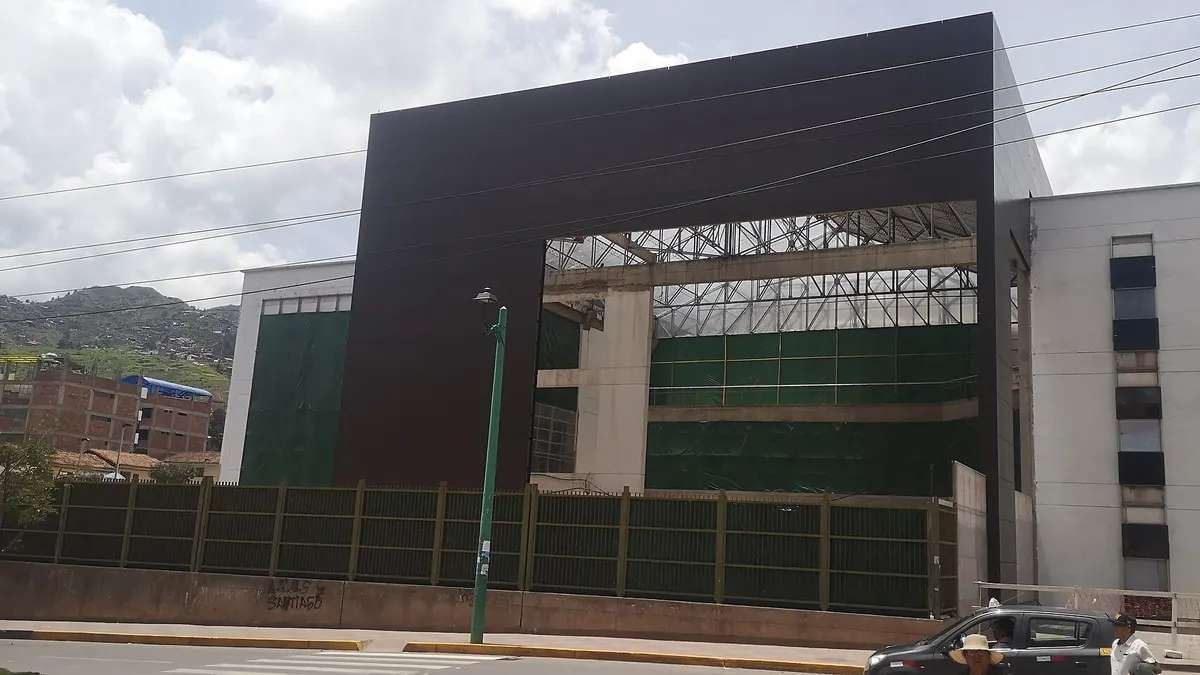
Source: World Bank presentation at CADE Ejecutivos 2026, according to Gestión. The report does not link to a document published by the institution. According to the same presentation, projects added "at the last minute" have four-year execution rates up to 25 points lower than those planned 1.5 to 2 years in advance. The example cited was the Antonio Lorena hospital in Cusco: it started in 2011, was 20% complete after four years and took 13 years to be delivered.
Stalled public works in Peru by region: Cusco has the most, Lima holds the money
The latest Comptroller's report with a breakdown by department, as of March 31, 2026, counted 2,241 stalled works with an investment cost of S/ 73.166 billion and S/ 35.196 billion still to execute (the report's text says S/ 32.196 billion, but its table adds up to 35.196). Cusco is the department with the most stalled works (338), followed by Puno (221) and Áncash (188); Lima has fewer works (164) but holds 32% of the money.
View the data as a table
| Stalled works | S/ million | |
|---|---|---|
| Lima | 164 | 23,514 |
| La Libertad | 83 | 8,518 |
| Arequipa | 126 | 8,383 |
| Piura | 123 | 3,848 |
| Áncash | 188 | 3,756 |
| Cajamarca | 140 | 3,344 |
| Puno | 221 | 3,084 |
| Cusco | 338 | 2,502 |
| Huánuco | 76 | 2,352 |
| Lambayeque | 72 | 1,838 |
| Ica | 31 | 1,316 |
| Tacna | 40 | 1,233 |
| Apurímac | 87 | 1,108 |
| Amazonas | 44 | 1,102 |
| Ucayali | 27 | 1,096 |
| Moquegua | 40 | 1,072 |
| Tumbes | 12 | 987 |
| Junín | 81 | 961 |
| Loreto | 39 | 776 |
| Huancavelica | 85 | 580 |
| Ayacucho | 140 | 569 |
| San Martín | 16 | 399 |
| Pasco | 28 | 355 |
| Madre de Dios | 34 | 326 |
| Callao | 6 | 148 |
| Lima | 164 | 23,514.1 | 8,747.5 |
| La Libertad | 83 | 8,517.5 | 4,925.9 |
| Arequipa | 126 | 8,383.1 | 5,605.8 |
| Piura | 123 | 3,848.0 | 1,734.5 |
| Áncash | 188 | 3,756.1 | 1,344.2 |
| Cajamarca | 140 | 3,343.9 | 1,850.2 |
| Puno | 221 | 3,083.5 | 2,028.0 |
| Cusco | 338 | 2,502.3 | 935.5 |
| Huánuco | 76 | 2,351.7 | 2,000.2 |
| Lambayeque | 72 | 1,838.4 | 550.9 |
| Ica | 31 | 1,316.4 | 698.7 |
| Tacna | 40 | 1,233.2 | 687.2 |
| Apurímac | 87 | 1,108.0 | 504.0 |
| Amazonas | 44 | 1,101.6 | 452.7 |
| Ucayali | 27 | 1,095.8 | 293.8 |
| Moquegua | 40 | 1,071.6 | 365.5 |
| Tumbes | 12 | 987.4 | 460.1 |
| Junín | 81 | 961.4 | 508.8 |
| Loreto | 39 | 776.1 | 325.3 |
| Huancavelica | 85 | 579.8 | 269.0 |
| Ayacucho | 140 | 569.2 | 264.7 |
| San Martín | 16 | 398.6 | 197.1 |
| Pasco | 28 | 354.8 | 143.5 |
| Madre de Dios | 34 | 325.7 | 190.5 |
| Callao | 6 | 147.8 | 113.0 |
Municipalities with the most works, the national government with the most money
| Level of government | Stalled works | Investment cost | Balance to execute |
|---|---|---|---|
| Local governments | 1,533 (68.4%) | S/ 12.092 billion | S/ 6.768 billion |
| National government | 391 (17.4%) | S/ 42.564 billion | S/ 17.045 billion |
| Regional governments | 317 (14.1%) | S/ 18.510 billion | S/ 11.384 billion |
| Total | 2,241 | S/ 73.166 billion | S/ 35.196 billion |
Source: Comptroller's report, table 4. Municipalities account for two out of three stalled works, but they are small projects: 716 of the 2,241 works cost up to S/ 1 million. At the other end, just 7 megaprojects worth more than S/ 1 billion add up to 43.8% of the total cost. Transport and communications is the sector with the most stalled works (626), according to the same report.
How the number of stalled works changed in 2026 and the El Niño risk
- March: 2,241 stalled works worth S/ 73.166 billion (Comptroller's report).
- June: 2,262 works worth about S/ 62.828 billion, according to the report released by the Comptroller's Office in August (Infobae).
- November: 2,237 works; 1,508 (67.4%) are in critical El Niño areas and finishing them would cost S/ 14.476 billion. Cusco (272), Puno (212), Ayacucho (149) and Áncash (118) account for most of them, according to what the Comptroller's Office told Congress (Gestión).
- Restarted: through preventive oversight, the Comptroller's Office pushed for the restart of 109 works worth S/ 4.3 billion, according to the same presentation.
| Stalled works in El Niño critical areas | Number |
|---|---|
| Total in critical areas | 1,508 (67.4% of 2,237) |
| Cusco | 272 |
| Puno | 212 |
| Ayacucho | 149 |
| Áncash | 118 |
| Transport and communications sector | 436 |
| Housing, construction and sanitation sector | 319 |
| Agriculture sector | 195 |
| Education and culture sector | 195 |
Source: Comptroller's presentation to Congress's State Management Modernization Committee, according to Gestión (November 11, 2026). The four sectors in the table account for 75.9% of the stalled works in risk areas. With so many road, water and canal works left half-done, El Niño is a key concern: an unfinished work offers no protection.
The Comptroller's figures (works with a file and contract that have stalled) and the World Bank's (all halted investment projects) measure different things, which is why they differ so much. The issue comes amid the debate over Peru's 2027 budget and Velarde's warning that El Niño could shave up to 2% off GDP. For the pulse of the economy, see September growth according to INEI.
Frequently asked questions
How many stalled public works are there in Peru?
The Comptroller's Office reported 2,237 stalled works in November 2026. Its latest detailed report, as of March 31, counted 2,241 worth S/ 73.166 billion.
Which region has the most stalled works?
Cusco, with 338 as of March 31, 2026, followed by Puno (221) and Áncash (188).
What did the World Bank say?
That about half of the 120,000 to 140,000 active investment projects are halted, stalled or abandoned, and that finishing them would cost S/ 654 billion, 60% of GDP.
What did Julio Velarde say at CADE 2026?
That "public management is not bad, it is terrible" and that the state does not properly serve education and health despite the resources the economy generates.