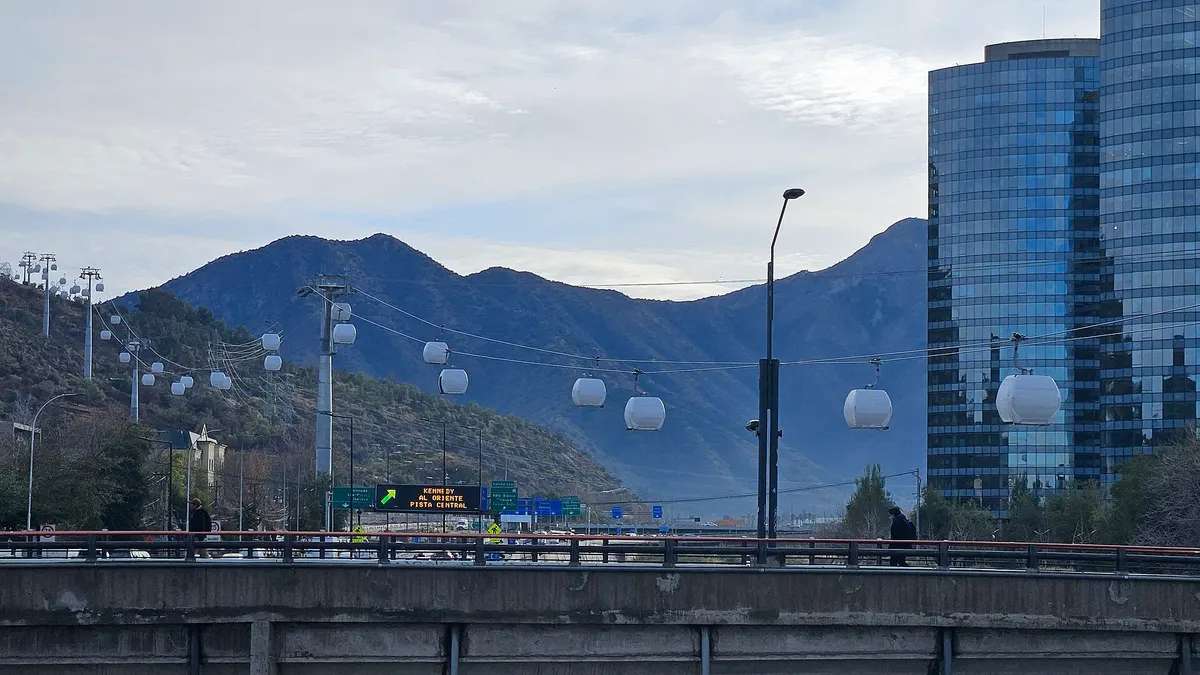
The Bicentenario cable car, Santiago's first urban transit cable car, began trial runs on Tuesday, November 10, according to Cooperativa. The system links the Tobalaba area, next to the Costanera Center, with Ciudad Empresarial in Huechuraba in 13 minutes, crossing San Cristóbal Hill by air, a trip that now takes 40 to 45 minutes by public transport, according to the executive report of the Public Works Ministry's Concessions Directorate (May 2026).
It will open to the public in 2027 and the fare would be CLP 1,000 per trip. What is still unresolved is whether riders will be able to pay with the Bip! card and an integrated fare with the Metro and buses: the concessionaire says it is ready, but the decision belongs to the government. This article sums up what is known about the Bicentenario cable car, based on the project's official documents.
View the data as a table
| Minutes from Tobalaba to Huechuraba | 13 |
| Kilometers of line | 3.4 |
| Passengers per hour per direction | 3,000 |
| Maximum base fare per trip | CLP 1,000 |
Where the Bicentenario cable car runs: stations and route
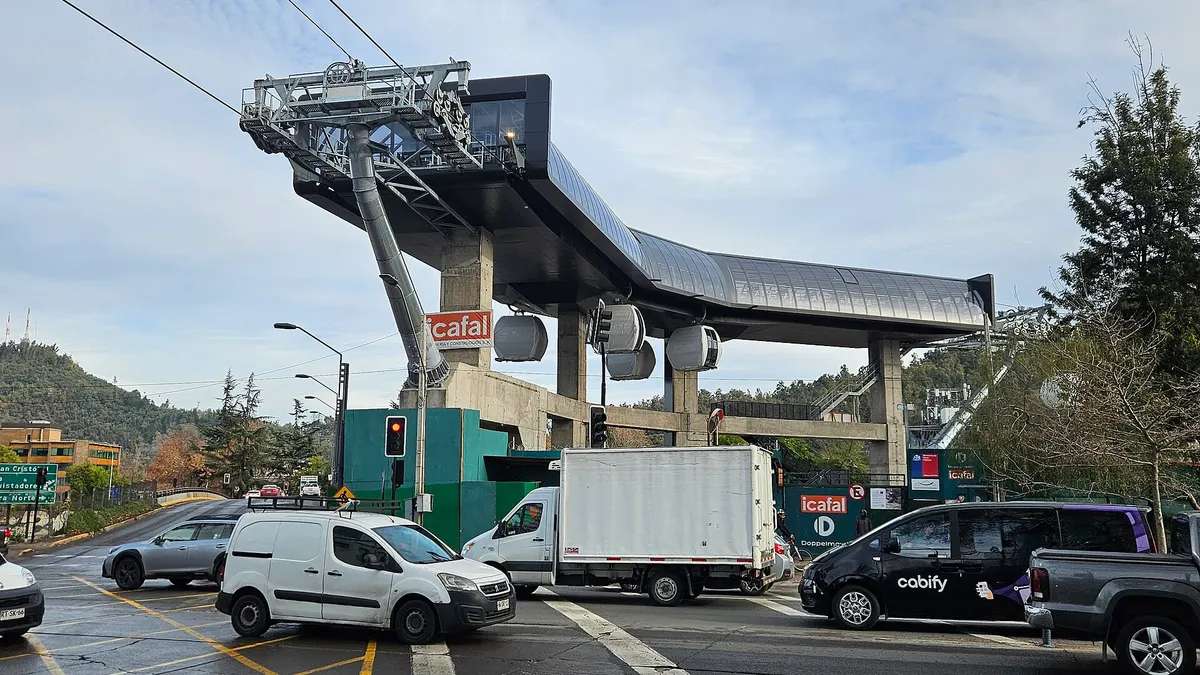
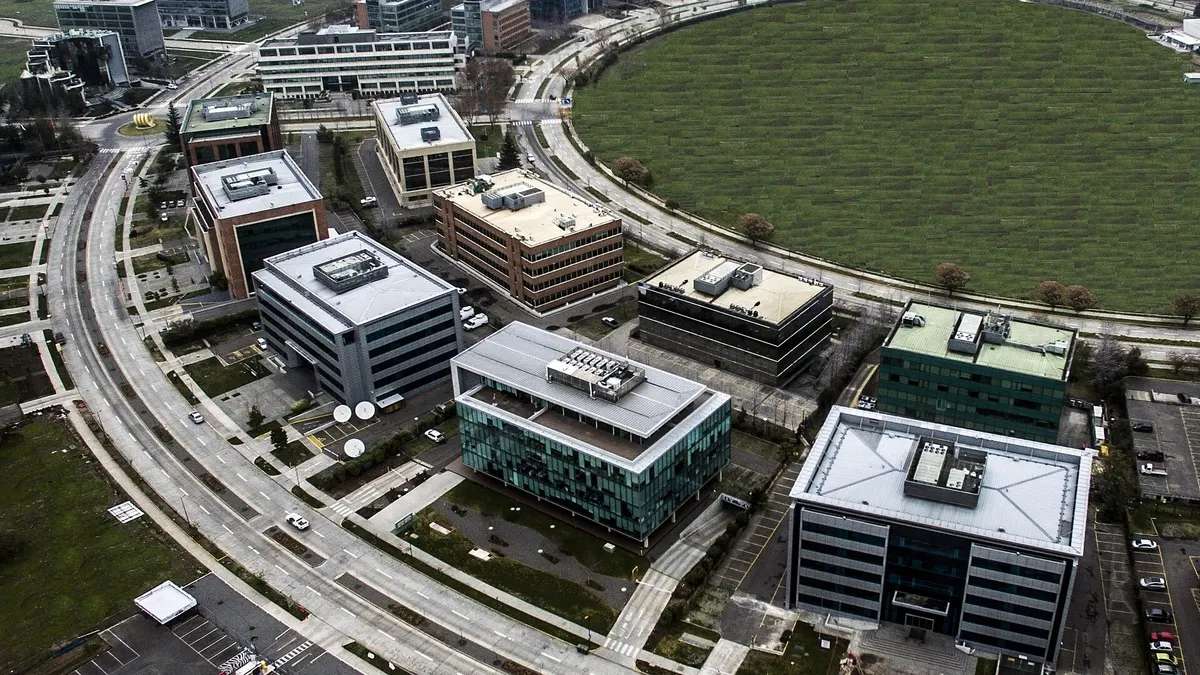
According to the executive report of the Public Works Ministry's Concessions Directorate (May 2026), the line is about 3.4 kilometers long with 19 support towers, and it crosses four municipalities: Providencia, Las Condes, Vitacura and Huechuraba. It starts at Canal San Carlos station, by Nueva Tajamar and Vitacura avenues in the Tobalaba area; continues to a technical building called Punto de Quiebre, where the line changes direction; passes through the Parque Metropolitano drive station, on the hillside, and ends at Santa Clara station, in Ciudad Empresarial.
| Canal San Carlos (Tobalaba) | Return station | Providencia / Las Condes | 675 |
| Punto de Quiebre | Technical building | Las Condes | 28 |
| Parque Metropolitano | Drive station | Vitacura | 1,240 |
| Santa Clara (Ciudad Empresarial) | Return station and depot | Huechuraba | 2,930 |
Each cabin carries 10 seated passengers and has video surveillance, wifi and interior lighting, according to Cooperativa. The system is electric and has a backup to bring passengers down in a power cut, according to the Public Works Ministry. Beware of a common mix-up: the Parque Metropolitano tourist cable car, which climbs from Pedro de Valdivia Norte to the hilltop, is a separate system.
How much a Bicentenario cable car ticket costs, and the Bip! card question
The tender rules set a maximum base fare of CLP 600 in December 31, 2014 pesos; adjusted for inflation, that is CLP 1,000 today, according to the Public Works Ministry. The concessionaire confirmed that figure to Cooperativa: CLP 1,000 per trip and CLP 2,000 round trip. It is a separate fare from public transport: the Santiago Metro fare and buses charge their own.
| Item | Value | Source |
|---|---|---|
| Maximum base fare (tender rules) | CLP 600 (December 2014) | MOP |
| Inflation-adjusted fare | CLP 1,000 per trip | MOP |
| Round trip | CLP 2,000 | Concessionaire, via Cooperativa |
| Monthly cost for a weekday round-trip commuter | CLP 44,000 (22 working days) | Our own calculation |
| Integration with Metro and buses | Pending | Government |
Integration is the sticking point. Huechuraba mayor Maximiliano Luksic says it "was never in the contract" and estimates that daily riders will spend more than CLP 50,000 a month, according to Emol; Providencia mayor Jaime Bellolio said integration "makes the difference between a tourist attraction and a means of public transport". Emol reported that, at least at first, riders would use a separate card, not the Bip!. Pauta noted that accepting the Bip! as a means of payment does not by itself mean the trip is part of the integrated Metro and bus fare.
At the start of the trial runs, Gonzalo Garfias, general manager of the Sociedad Concesionaria Teleférico Bicentenario, told Cooperativa that "we will be ready for it to be integrated" and dismissed the government's concern that platforms could be overwhelmed if the fare is integrated and demand surges: he said turnstiles and stations were designed for that flow.
When the Bicentenario cable car opens
Sources disagree on the exact date. The Public Works Ministry's May 2026 report estimates final commissioning in the second quarter of 2027; in June, the government spoke of the first quarter of 2027, according to Pauta, and Emol reported in October that the opening was planned for late January. What is certain is that trial runs began on November 10, 2026 and the public will not be able to ride this year.
- Jul 11, 2017Tender call
- May 19, 2018Concession beginsAward decree D.S. MOP 27.
- Oct 14, 2024Construction begins
- May 202684.14% physical progress
- Nov 10, 2026Trial runs begin
- 2027Opening to the publicBetween late January and the second quarter, depending on the source.
Who is building the Bicentenario cable car, and what it cost
The project was built under the Public Works Ministry's concession system and, according to the ministry, requires no state subsidy. The official budget is UF 1,948,603 plus VAT, and the concession runs for at most 420 months, until December 10, 2054, or until the company collects the total revenue it bid (UF 5,759,970). Pauta reported an investment of US$80 million.
| Concessionaire shareholder | Stake |
|---|---|
| Icafal Inversiones S.A. | 42.5% |
| Doppelmayr Chile Holding SpA | 42.5% |
| Ciudad Empresarial S.A. | 10% |
| Teleférico Bicentenario SpA | 5% |
Source: Public Works Ministry (MOP), Concessions Directorate, May 2026 executive report. Doppelmayr, the Austrian partner, is one of the world's largest cable car makers. The Public Works Ministry counts as direct beneficiaries the 620,972 residents of the four municipalities on the route (2017 census), and Luksic estimates that about 30,000 people could use it.
Frequently asked questions
When does the Bicentenario cable car open?
In 2027. Trial runs began on November 10, 2026; the Public Works Ministry estimates final commissioning in the second quarter of 2027, though other sources mention late January.
How much is the fare?
CLP 1,000 per trip and CLP 2,000 round trip, according to the concessionaire and the Public Works Ministry.
Can I pay with the Bip! card?
It has not been decided. The concessionaire says it is ready to join the network, but the decision is up to the government.
Which stations does it have?
Three: Canal San Carlos (Tobalaba), Parque Metropolitano and Santa Clara (Ciudad Empresarial, Huechuraba).