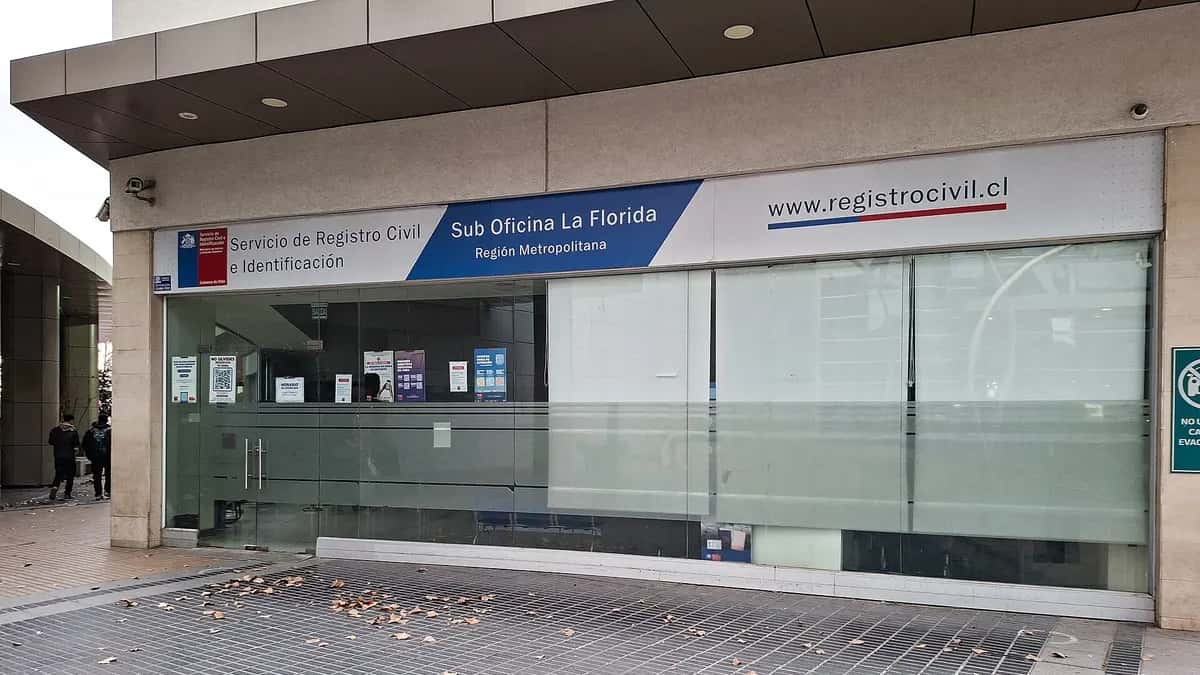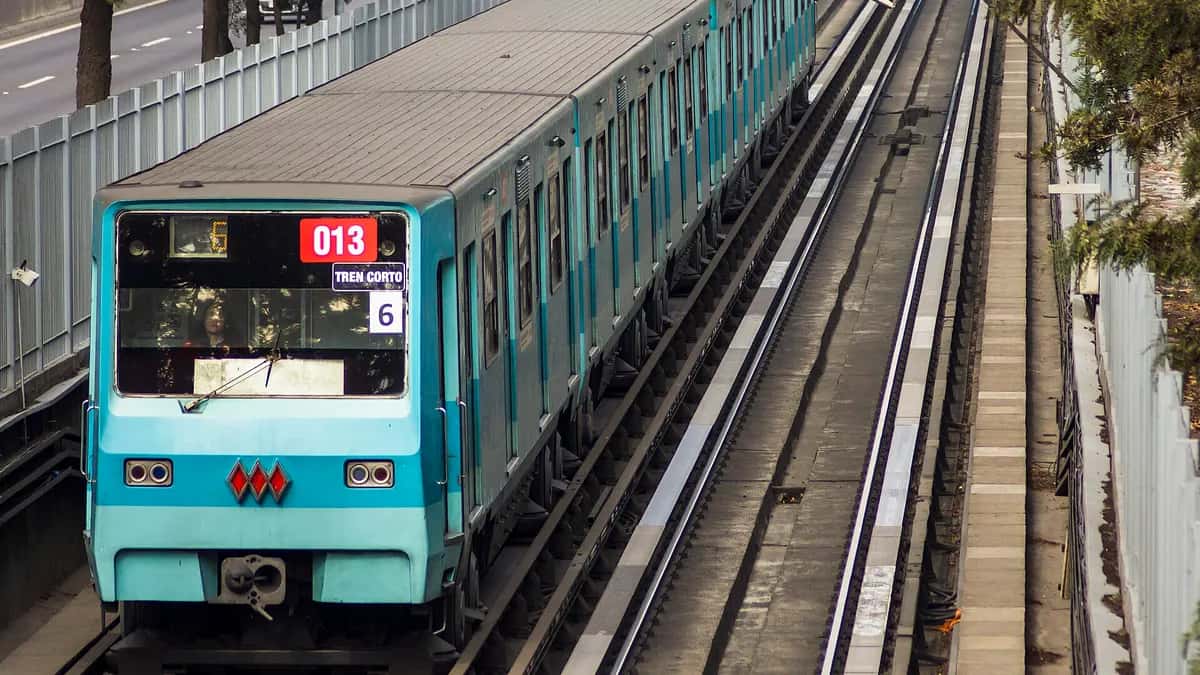
A Santiago Metro ride costs 895 Chilean pesos at peak times, 815 pesos off-peak and 735 pesos in the low band since Sunday 22 February 2026, when the Public Transport Expert Panel applied a 25-peso increase, according to [BioBioChile](https://www.biobiochile.cl/noticias/nacional/region-metropolitana/2026/02/23/los-nuevos-valores-del-transporte-publico-en-santiago-tras-alza-de-25-metro-costara-hasta-895.shtml) and [T13](https://www.t13.cl/noticia/te-puede-servir/nacional/ya-rige-alzs-transporte-publico-santiago-asi-quedaron-tarifas-22-02-2026). A bus ride on the Red network costs 795 pesos and the secondary and higher-education student fare is 260 pesos.
As of 19 October, no new increase has been announced for 2026. Here are all current fares, the hours for each band and how much you spend per month depending on how you travel.
Santiago Metro fare by time of day
The Metro and the Tren Nos commuter line charge according to the time the Bip! card is tapped. These are the current adult fares:
| Band | Hours (Monday to Friday) | Adult fare |
|---|---|---|
| Peak | 7:00-8:59 and 18:00-19:59 | 895 pesos |
| Off-peak (valle) | 9:00-17:59 and 20:00-20:44 | 815 pesos |
| Low | 6:00-6:59 and 20:45-23:00 | 735 pesos |
These hours apply on working days. Weekends and public holidays have other bands, listed on the Metro website. The fare is charged once per trip: if you transfer to buses within 120 minutes you pay only the difference, up to a maximum of two transfers.
Bus, student and senior fares
| Fare type | Price |
|---|---|
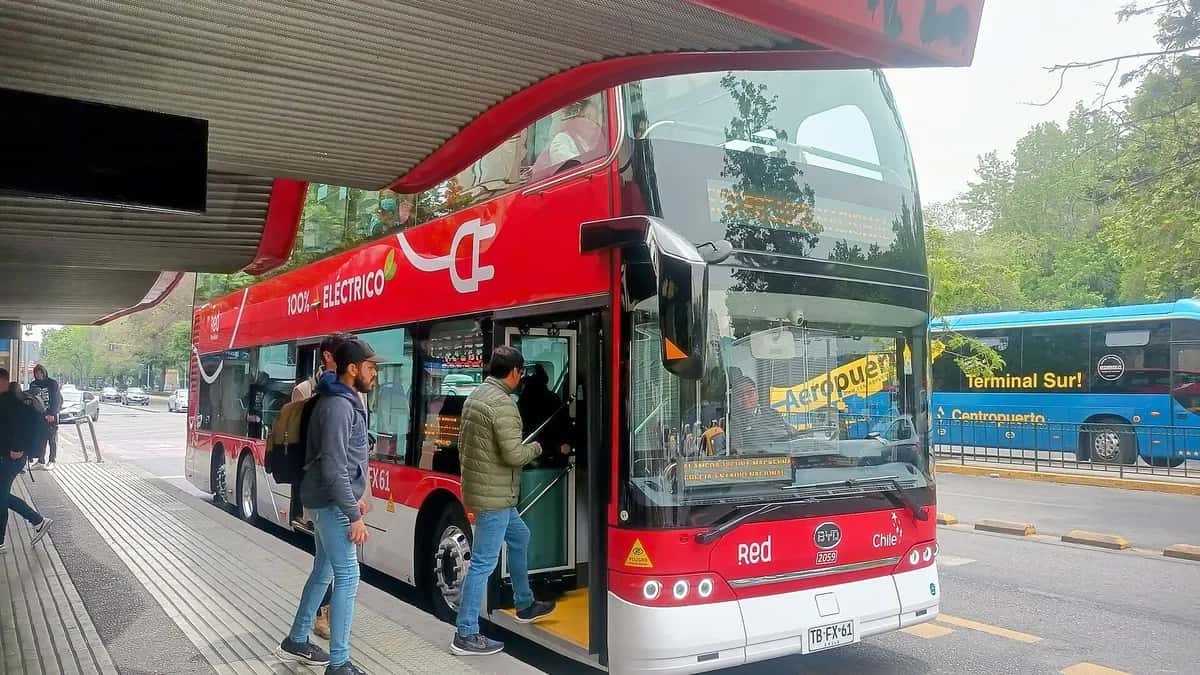
| Red bus (adult) | 795 pesos |
| Adult Metro at peak | 895 pesos |
| Secondary and higher-education student (TNE card) | 260 pesos |
| Senior (integrated fare) | 390 pesos |
| Monthly cap with Dale QR | 42,000 pesos (from 1 March) |
Secondary and higher-education students pay 260 pesos with their TNE student card. The reduced senior fare (390 pesos) applies with the senior Bip! card. The monthly cap for Dale QR, which lets you pay with your phone, rose to 42,000 pesos, according to El Periodista.
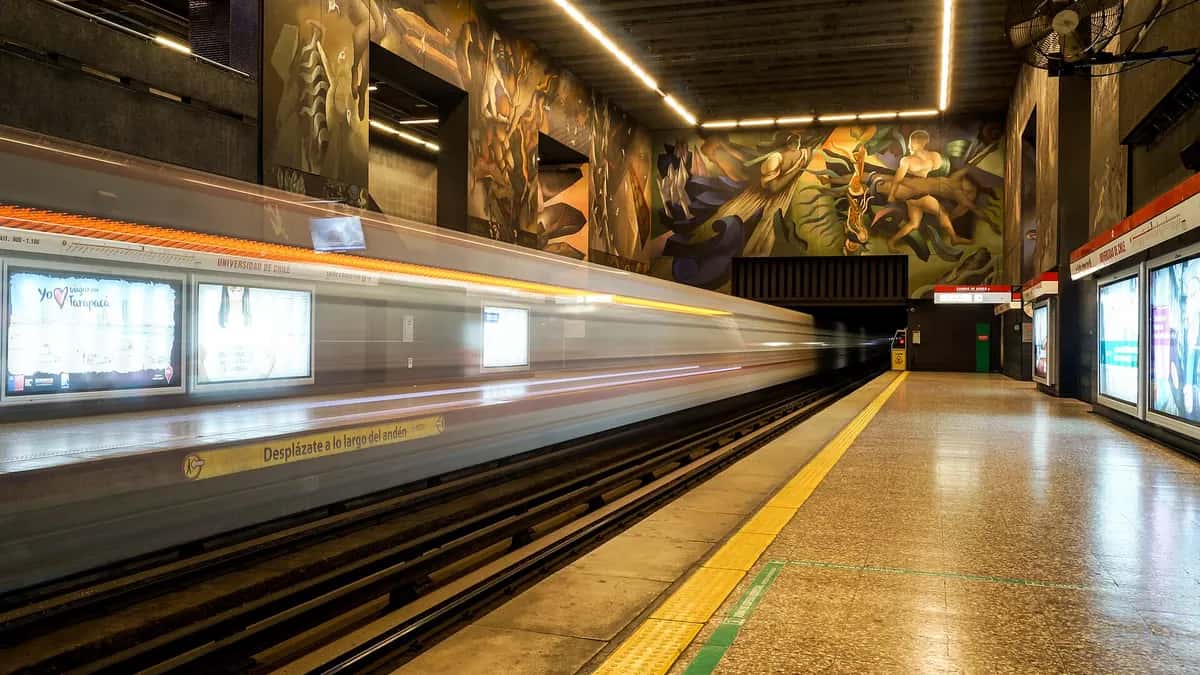
Why the Santiago Metro fare went up in 2026
The Public Transport Expert Panel, which sets fares, justified the 25-peso increase by higher costs in 2025, including annual inflation of 3.5% and a 6.7% rise in labor costs, and by the effect of the 2019-2023 fare freeze, according to Radio Universidad de Chile and BioBioChile. The panel reviews fares periodically using a cost formula for the system.
| Adult fare | Before 22-02-2026 | From 22-02-2026 |
|---|---|---|
| Metro peak | 870 pesos | 895 pesos |
| Metro off-peak | 790 pesos | 815 pesos |
| Metro low | 710 pesos | 735 pesos |
| Red bus | 770 pesos | 795 pesos |
Previous values are obtained by subtracting the 25-peso increase reported by the media.
How much you spend per month on the Santiago Metro
Our calculation for a commuter traveling to and from work at peak times on 21 working days a month:
| Profile | Calculation | Monthly cost |
|---|---|---|
| Adult, both ways at peak | 42 trips × 895 | 37,590 pesos |
| Adult, peak out and off-peak back | 21 × 895 + 21 × 815 | 35,910 pesos |
| Secondary or higher-education student | 42 trips × 260 | 10,920 pesos |
| Senior | 42 trips × 390 | 16,380 pesos |
With the Dale QR cap, those who pay through the app spend no more than 42,000 pesos a month on adult fares. For someone earning the minimum wage of 553,553 pesos, 37,590 pesos a month is about 6.8% of gross pay (our calculation).
How much you save depending on the time
Comparing fares across cities is tricky because exchange rates and systems differ (flat, time-based or distance-based fares). As a reference, with the official dollar rate near 987 pesos in mid-October (see the official dollar rate), the peak fare of 895 pesos is about US$0.91 per trip (our calculation). The Santiago Metro charges by time of day to spread demand: traveling in the low band saves 160 pesos per trip compared with peak.
| Band | Fare | Saving vs. peak |
|---|---|---|
| Peak | 895 pesos | — |
| Off-peak | 815 pesos | 80 pesos (8.9%) |
| Low | 735 pesos | 160 pesos (17.9%) |
For people with flexible hours, moving one daily trip from peak to off-peak saves 80 pesos per trip: about 1,680 pesos a month over 21 working days (our calculation).
How to pay and where to top up
- Bip! card: top up at Metro stations, Bip! outlets and in the official app.
- Dale QR: pay with a QR code on your phone, with a monthly cap of 42,000 pesos.
- TNE: students must have their TNE card validated for the year to get the reduced fare.
Payment methods and conditions may change, so check the official Metro and Red websites before you travel.
What we know about the next increase
The Expert Panel sets fares based on changes in system costs (fuel, energy, labor and inflation) and the state subsidy. Its decisions are published in the Official Gazette and reported by the media a few days in advance, as happened with the February increase, announced on 20 February and effective from the 22nd. As of 19 October 2026 there is no announced change for the rest of the year; if there is one, we will update this article at the same address.
Frequently asked questions
How much is a Santiago Metro ride in 2026?
895 pesos at peak, 815 off-peak and 735 in the low band, since 22 February 2026.
How much is a bus ride in Santiago?
795 pesos for adults on Red buses. If combined with the Metro within the transfer window, you pay the difference up to the Metro fare.
How much does a student pay on the Metro?
260 pesos for secondary and higher-education students with their TNE card.
How much does a senior pay?
390 pesos with the senior Bip! card, on the integrated fare.
When is the next Metro fare increase?
As of 19 October 2026 no new increase has been announced. The Expert Panel reviews fares periodically.