The Nevados de Chillán volcanic complex, in Chile's Ñuble Region, recorded two explosions on Friday, November 27, 2026, at 09:22 and 10:23, with columns of gas and pyroclastic material reaching 2,380 and 2,080 meters above the active crater. Chile's National Geology and Mining Service (Sernageomin) reported it in a Special Volcanic Activity Report (REAV), according to La Tercera. The volcano remains at Volcanic Activity State (EAV) 3, which means "minor eruption".
Sernageomin warned that "new episodes of similar or greater energy cannot be ruled out", with low-to-moderate explosions that would mainly affect the immediate surroundings of the craters. The Preventive Early Warning for Pinto and Coihueco remains in force and the safety perimeter is 2 kilometers around Emission Center 3, according to Realidad Sanmartinense. No ashfall was reported in populated areas or in Argentina.
View the data as a table
| First column (09:22) | 2,380 m |
| Second column (10:23) | 2,080 m |
| Activity state | EAV 3 |
| Safety perimeter | 2 km |
What happened at Nevados de Chillán on November 27
Friday's two explosions were the highest since November 10, when the complex had two others with columns of 2,340 and 2,400 meters, associated with long-period earthquakes, according to the Sernageomin report cited by Canal 9. After the November 27 explosions, activity continued with lower columns while the report was being issued. This is a summary of the episodes with reported heights in recent months:
| Date | Episode | Column height | Source |
|---|---|---|---|
| September 18 | Eruptive pulse from the Nicanor crater | 380 m | Radio Agricultura |
| October 25 | Seven eruptive pulses in the afternoon | Over 800 m; reported peak between 1,740 and 2,300 m | El Desconcierto |
| November 10 | Two explosions from 18:54 | 2,340 and 2,400 m | Canal 9 |
| November 27 | Two explosions at 09:22 and 10:23 | 2,380 and 2,080 m | La Tercera |
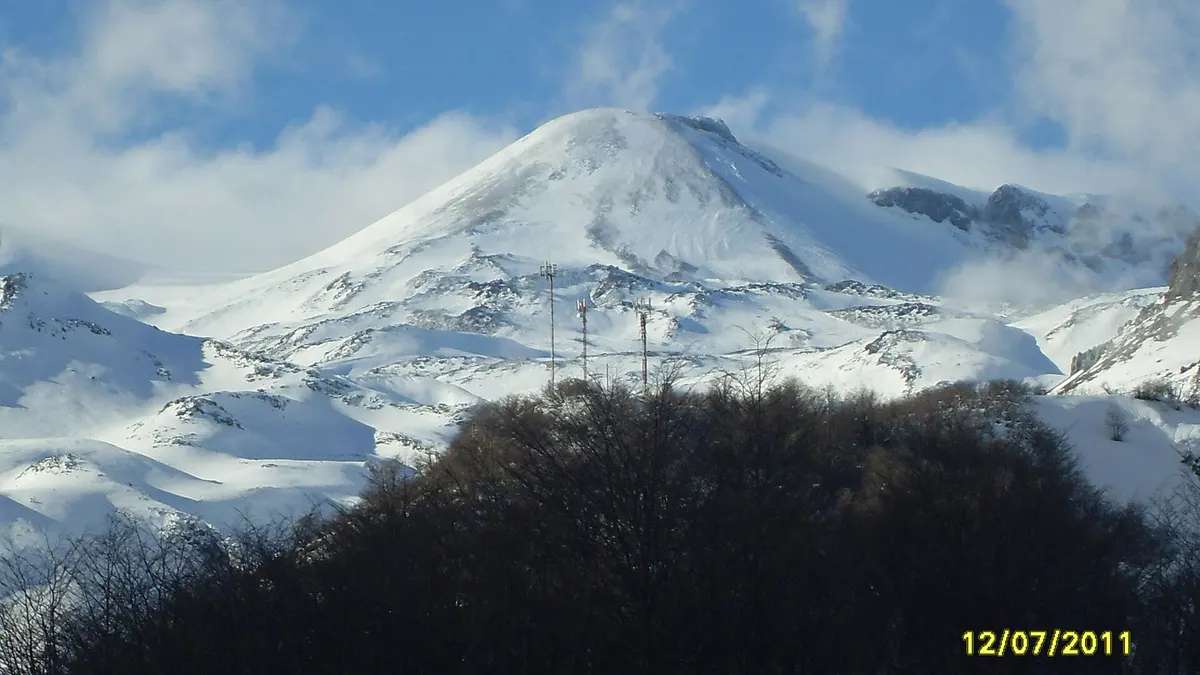
What level 3 means for Nevados de Chillán
Since October 28, 2026, Sernageomin no longer uses green, yellow, orange and red technical alerts. It replaced them with six Volcanic Activity States numbered 0 to 5, and added immediate warnings called FLASH for sudden processes. Nevados de Chillán, which was under a yellow technical alert until October, is now at state 3:
| State (EAV) | Official name | Nevados de Chillán status |
|---|---|---|
| 0 | Baseline | |
| 1 | Minor instability | |
| 2 | Major instability | |
| 3 | Minor eruption | Current state |
| 4 | Moderate eruption | |
| 5 | Major eruption |
Sernageomin's scale describes the volcano's activity. Measures for the population are decided by the National Disaster Prevention and Response Service (Senapred), which keeps its own alert system: the Preventive Early Warning in force for Pinto and Coihueco since June 15, 2026 means stepped-up monitoring and coordination, not evacuation, according to El Desconcierto.
Timeline of Nevados de Chillán's activity in 2026
The complex's activity increased during the second half of the year. These are the milestones reported by Sernageomin and Senapred:
- Jun 15Yellow technical alertSernageomin declares it over rising seismicity; Senapred issues a Preventive Early Warning for Pinto and Coihueco.
- Sep 18380-meter pulseColumn of pyroclastic material from the crater.
- Sep 252 km perimeterThe restricted zone grows from 1 to 2 kilometers.
- Oct 25Seven eruptive pulsesColumns over 800 meters.
- Oct 28New 0-5 scaleSernageomin replaces color-coded alerts.
- Nov 10Explosions up to 2,400 mTwo events linked to long-period earthquakes; EAV 3.
- Nov 27Explosions of 2,380 and 2,080 mSernageomin does not rule out new episodes of equal or greater energy.
The 2026 pattern shows a jump in scale: in September pulses were measured in hundreds of meters, and since late October columns have often exceeded 2,000 meters. Even so, Sernageomin describes low-to-moderate explosions whose main effect is concentrated around the craters, which is why the 2-kilometer perimeter is the main restriction for tourists, mountaineers and workers in the area. That is why the restricted zone should not be entered, even on clear days.
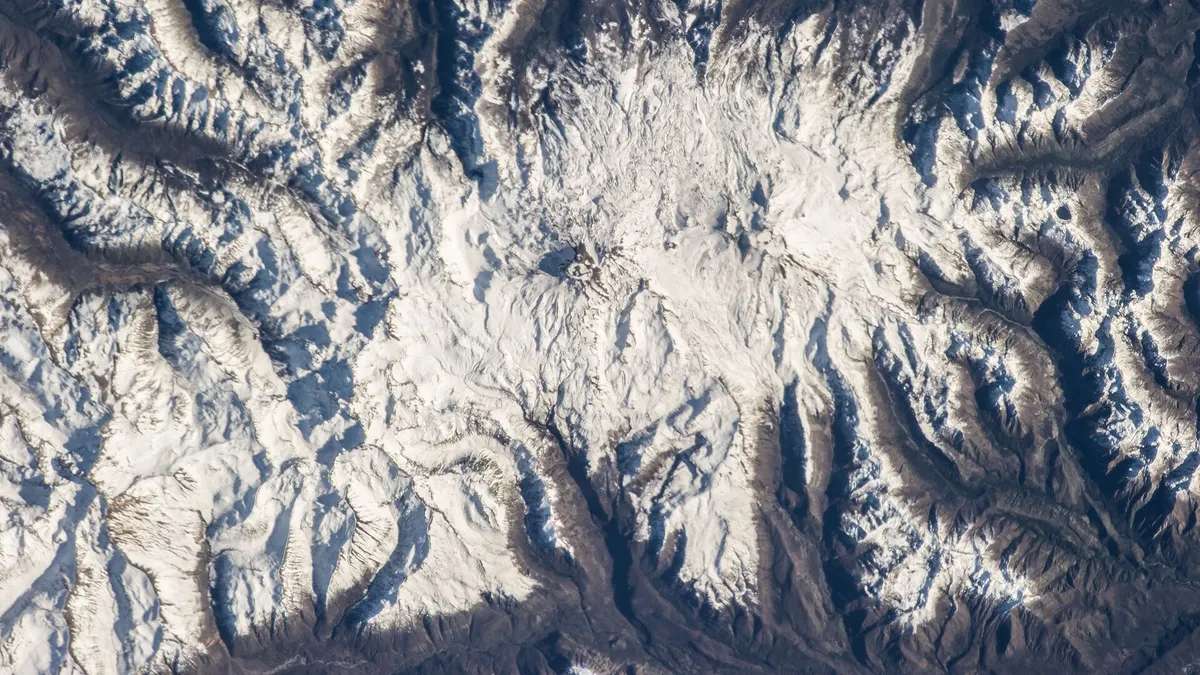
Where Nevados de Chillán is and how high it is
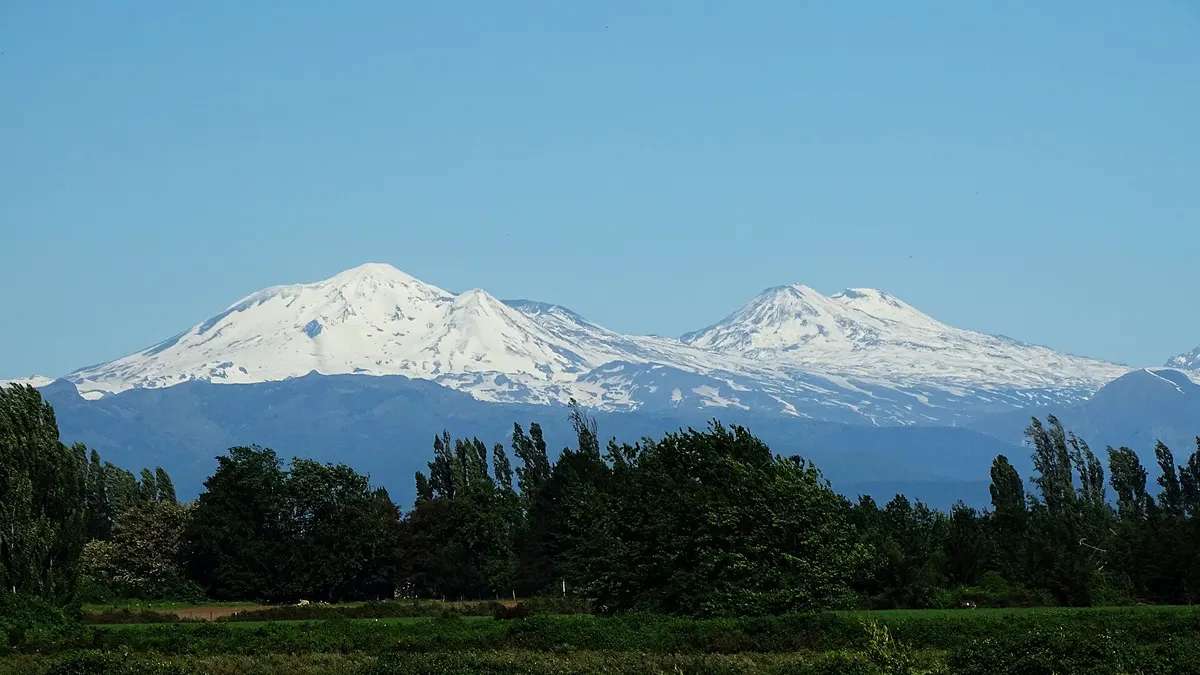
Nevados de Chillán is a group of stratovolcanoes in the Southern Volcanic Zone, in the Andes of the Ñuble Region. Its main summits are Cerro Blanco or Volcán Nevado, at 3,212 meters, and Volcán Viejo or Volcán Chillán, at 3,089 meters, according to Wikipedia. Volcán Nuevo formed between 1906 and 1945. The complex is a few kilometers from Las Trancas and the Termas de Chillán ski and hot-springs resort, across from northern Neuquén province in Argentina.
| Fact | Value |
|---|---|
| Region | Ñuble |
| Cerro Blanco (Volcán Nevado) | 3,212 m |
| Volcán Viejo (Volcán Chillán) | 3,089 m |
| Formation of Volcán Nuevo | 1906-1945 |
| Municipalities under preventive warning | Pinto, Coihueco |
| Safety perimeter | 2 km from Emission Center 3 |
For other ongoing emergencies in Chile, see the red alert over snowmelt in Alto del Carmen and, to understand weather warnings, our story on the preventive climate emergency from Coquimbo to Biobío.
Advice if you live near or travel to Nevados de Chillán
- Do not enter the 2-kilometer perimeter around Emission Center 3.
- Follow official Sernageomin reports and Senapred alerts, and do not share unsourced information.
- If ash falls, cover nose and mouth, and protect your eyes and drinking water.
- Keep an emergency kit at hand and know your municipality's evacuation routes.
Frequently asked questions
Is there an evacuation because of Nevados de Chillán?
No. As of November 28, 2026, a Preventive Early Warning is in force for Pinto and Coihueco, meaning stepped-up monitoring, plus a 2-kilometer restricted perimeter around the active crater.
What is EAV 3?
It is Volcanic Activity State 3, "minor eruption", on the 0-5 scale Sernageomin has used since October 28, 2026.
How high did the columns reach?
2,380 meters in the 09:22 explosion and 2,080 meters in the 10:23 one on November 27, measured above the active crater.
What is the difference between Sernageomin's and Senapred's alerts?
Sernageomin measures and describes the volcano's activity with the 0-5 EAV scale. Senapred decides alerts for the population (Preventive Early, Yellow or Red) and the measures in each municipality.
Since when has Nevados de Chillán been active in 2026?
The yellow technical alert was declared on June 15, 2026 over rising seismicity. Eruptive pulses began in September and explosions with columns over 2,000 meters since October.
Is ash reaching Argentina?
The November 27 reports did not report ashfall in Neuquén or other Argentine towns.