Myanmar is the first state found responsible for genocide by the International Court of Justice. On November 19, 2026, in The Gambia v. Myanmar, the UN court concluded by 9 votes to 6 that the country breached the 1948 Convention on the Prevention and Punishment of the Crime of Genocide with its 2017 military campaign against the Rohingya in Rakhine State. By the same vote it found Myanmar responsible for failing to prevent genocide and, by 14 votes to 1, rejected the claim that it directly and publicly incited it, according to BBC Mundo.
The ruling is historic because, in the 78 years since the Convention was adopted, no international court had ever found a state guilty of genocide; individuals, yes, at the tribunals for Rwanda and the former Yugoslavia. The ICJ judges states, not individuals, and has no means to enforce its rulings, but it ordered Myanmar to make reparation to the Rohingya.
View the data as a table
| Votes finding genocide | 9 |
| Rohingya killed in 2017 | 10,000 |
| Rohingya refugees in Bangladesh | 1 million |
| Years since The Gambia's application | 7 |
What the ICJ said in the ruling against Myanmar
| Point of the judgment | Decision | Vote |
|---|---|---|
| Did Myanmar commit genocide against the Rohingya? | Yes | 9-6 |
| Did it fail to prevent genocide committed by private actors with its security forces? | Yes | 9-6 |
| Did it directly and publicly incite genocide? | No | 14-1 |
| Must it make reparation to the victims? | Yes, the Court ordered compensation for the Rohingya | — |
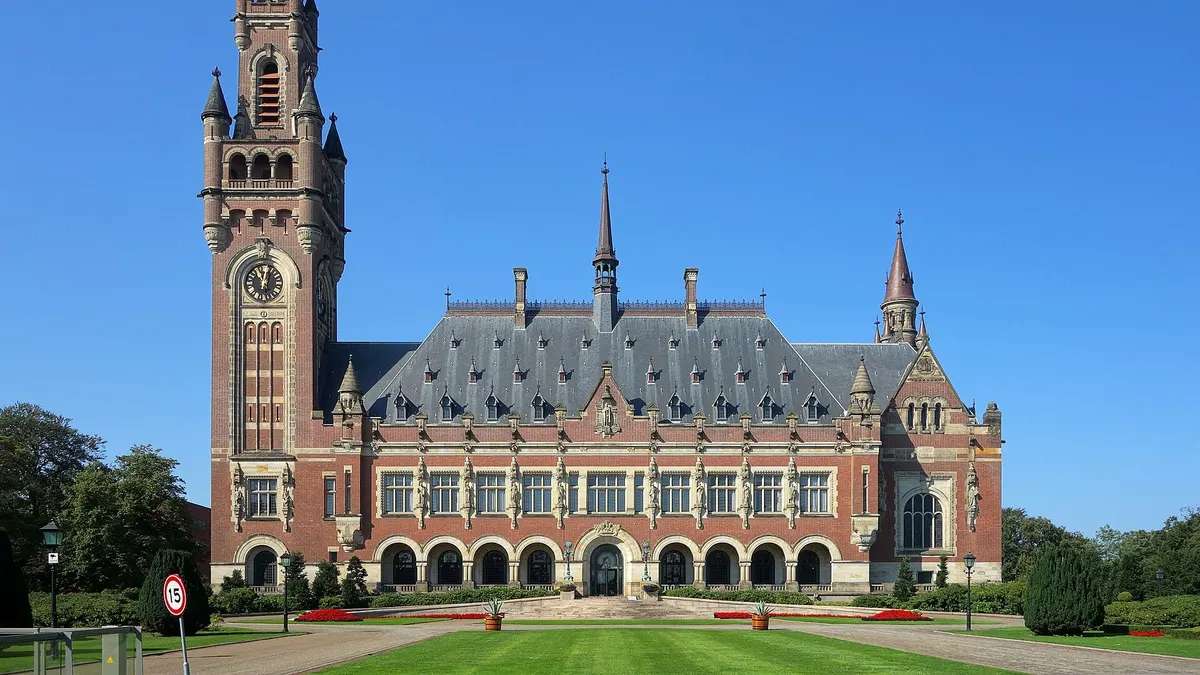
Sources: International Court of Justice, summary of the judgment of November 19, 2026, and BBC Mundo. Voting against the central point were Vice-President Julia Sebutinde, Judges Peter Tomka, Ronny Abraham, Xue Hanqin and Georg Nolte and Judge *ad hoc* Claus Kress, who signed a joint dissenting opinion according to the case page. Court President Yuji Iwasawa read the judgment at the Peace Palace in The Hague.
The key to the case was proving intent to destroy the group, the Convention's hardest requirement. According to the BBC analysis, the Court inferred that intent from a pattern of conduct: mass killings, rape, burned villages and rules limiting Rohingya couples to two children. The judges accepted that the offensive could have other aims, such as counterinsurgency, but concluded that the evidence as a whole cannot be explained unless genocide was one of them.
The Gambia v. Myanmar case, step by step
- Aug 25, 2017"Clearance operations" beginAfter attacks by the Arakan Rohingya Salvation Army on about 30 security posts.
- Nov 11, 2019The Gambia sues MyanmarBacked by the Organisation of Islamic Cooperation.
- Jan 23, 2020Provisional measuresThe Court orders protection of the Rohingya.
- Jul 22, 2022The Court finds it has jurisdiction
- Jan 12-29, 2026Hearings on the merits
- Nov 19, 2026Judgment: Myanmar committed genocide
The Gambia filed the case without territorial or nationality ties to the victims, something unprecedented: it relied on the Convention clause that lets any state party sue another. Eleven states joined as interveners, according to the International Court of Justice. Myanmar always denied genocide and argued it was responding to attacks by the Arakan Rohingya Salvation Army.
Genocide cases at the ICJ and how they ended
| Case | Filed | Outcome |
|---|---|---|
| Bosnia and Herzegovina v. Serbia and Montenegro | Mar 20, 1993 | Judgment of Feb 26, 2007: Serbia did not commit genocide but failed to prevent the one at Srebrenica |
| Croatia v. Serbia | Jul 2, 1999 | Judgment of Feb 3, 2015: rejected Croatia's claim and Serbia's counter-claim |
| The Gambia v. Myanmar | Nov 11, 2019 | Judgment of Nov 19, 2026: Myanmar committed genocide |
| Ukraine v. Russia | Feb 26, 2022 | Pending; in 2024 the Court limited its jurisdiction and later admitted Russia's counter-claims |
| South Africa v. Israel | Dec 29, 2023 | Pending; provisional measures in January, March and May 2024 |
Source: each case's page at the International Court of Justice. In the two Balkan cases the Court did not find genocidal intent attributable to a state, although in Bosnia's it recognized that genocide occurred at Srebrenica, committed by Bosnian Serb forces. Myanmar's is the first in which the Court concludes that the state itself committed it.
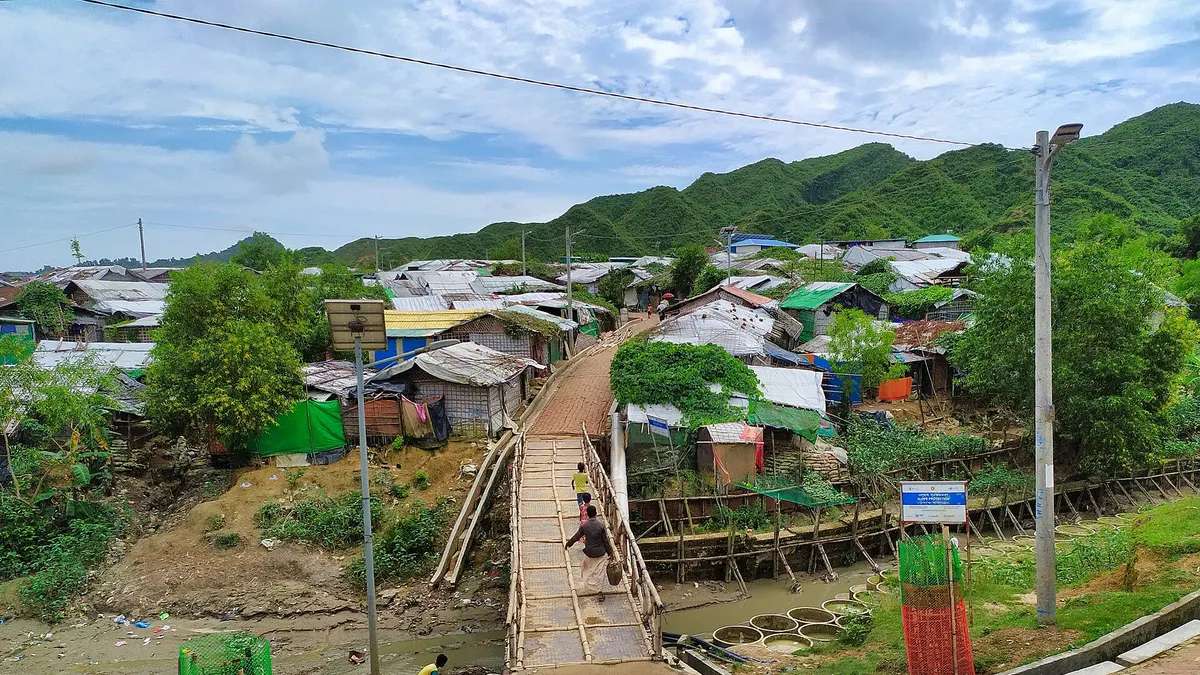
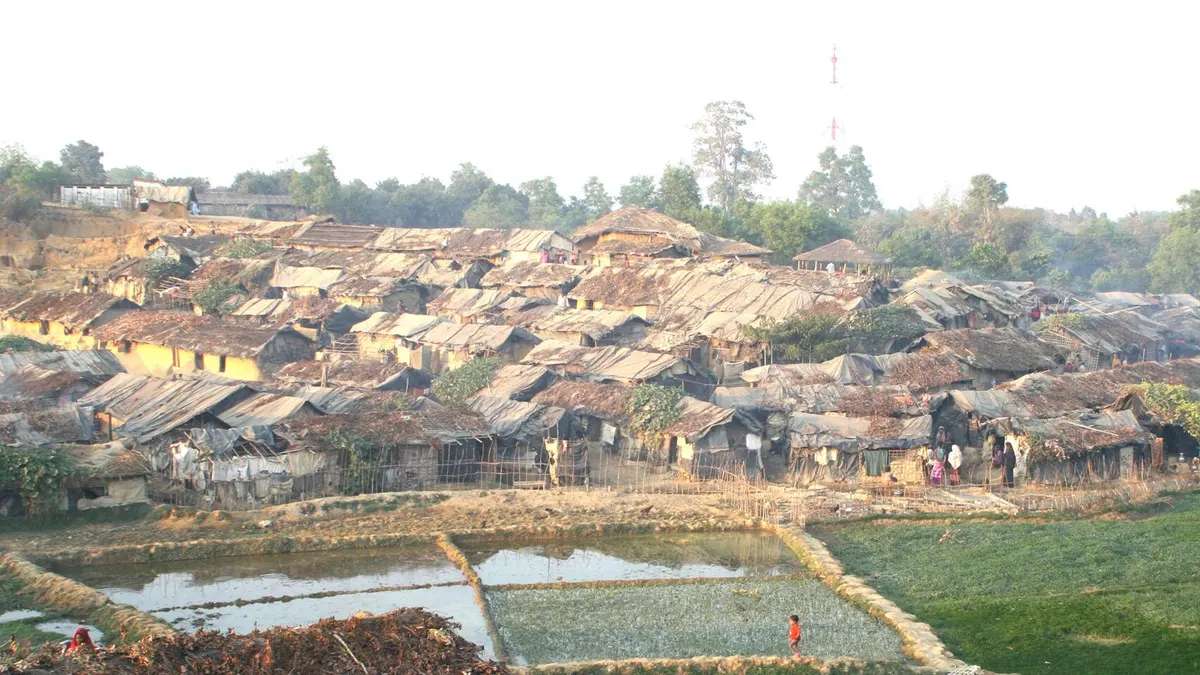
Who the Rohingya are and what happened to them
The Rohingya are a Muslim minority from Rakhine State, in a Buddhist-majority country. The 1982 citizenship law recognized 135 ethnic groups and left them out, making them one of the world's largest stateless groups: they cannot travel without permission, face obstacles to marrying and registering their children, and cannot own land, according to the BBC. The UN has called them "the most persecuted minority in the world".
| Figure | Number | Source |
|---|---|---|
| Rohingya killed in the 2017 operations | About 10,000 | ICJ judgment |
| Deaths in the first month, including 730 children under 5 | At least 6,700 | Doctors Without Borders |
| Fled to Bangladesh in 2017 | More than 700,000 | BBC |
| Live in Bangladesh camps today | More than 1 million | BBC |
| Fled Myanmar in several waves | Nearly 2 million | BBC |
| Dead or missing at sea last year | About 900 | BBC |
What consequences the ruling against Myanmar has
- No one goes to prison: the ICJ rules on state responsibility; prosecuting officers is a task for the International Criminal Court or national courts.
- Reparations: the Court ordered compensation for the Rohingya but has no mechanism to enforce it.
- Security Council: the United Kingdom requested an urgent session and expelled Myanmar's defense attaché in London; a resolution could be vetoed by China or Russia, according to the BBC.
- Other cases: the ruling clarifies the standard of proof for genocidal intent, key for South Africa v. Israel; the judges stressed that each case is assessed separately.
Aung San Suu Kyi, 1991 Nobel Peace laureate, headed the civilian government when the 2017 offensive took place and personally defended Myanmar in The Hague in 2019; the military that led the attacks ousted her in 2021. For other international affairs, see Chile's UN vote on Cuba, Peruvians recruited for the war in Russia and Russia-China relations.
Frequently asked questions
What did the ICJ decide about Myanmar?
That Myanmar committed genocide against the Rohingya and failed to prevent it (9 votes to 6), but did not directly and publicly incite it (14 to 1).
Is it the first state found guilty of genocide?
Yes. It is the first time the ICJ has found a state responsible for committing genocide; previously only individuals had been convicted by international criminal tribunals.
What is the difference between the ICJ and the International Criminal Court?
The ICJ, a UN body, settles disputes between states; the International Criminal Court tries individuals for crimes such as genocide.
Does it affect South Africa's case against Israel?
It clarifies the standard for proving genocidal intent, but the Court said each case is judged on its merits. The case is still pending and Israel rejects the accusation.