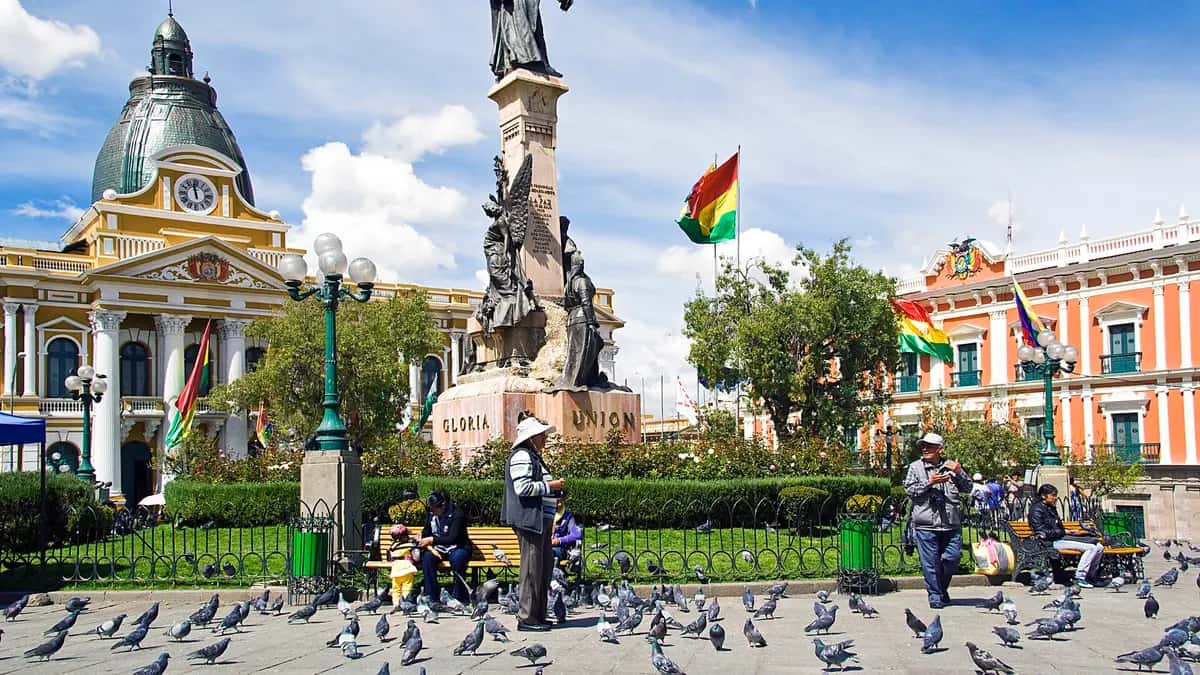
Chilean President José Antonio Kast arrived in La Paz on Friday, October 16, to meet his Bolivian counterpart, Rodrigo Paz, in the first state visit by a Chilean president to Bolivia in 71 years, [La Tercera](https://latercera.com/politica/noticia/presidente-kast-aterriza-a-bolivia-y-rompe-una-pausa-historica-de-71-anos) and the [EFE](https://www.infobae.com/america/agencias/2026/10/16/kast-llega-a-bolivia-para-reunirse-con-paz-y-abrir-una-nueva-etapa-entre-bolivia-y-chile/) news agency reported. Chile and Bolivia have not had full diplomatic relations since 1978. The day includes a private meeting, the signing of agreements on mining, trade, connectivity, health and energy, and a joint declaration by both presidents, expected around 13:15 Chile time.
This article brings together what was confirmed by Friday morning and will be updated with the content of the joint declaration and the agreements signed.
Why the visit is historic
It is the first state visit by a Chilean president to Bolivia in 71 years. The previous one was by Carlos Ibáñez del Campo in August 1955, La Tercera noted. Chile and Bolivia have not had full diplomatic relations since 1978: they deal with each other through consulates general. La Moneda said the immediate aim of the visit is not to restore relations, although the meeting could help towards that step.
| Year | Milestone in Chile-Bolivia relations |
|---|---|
| 1955 | Last state visit by a Chilean president to Bolivia (Carlos Ibáñez del Campo) |
| 1978 | Bolivia breaks off diplomatic relations with Chile |
| 2018 | The International Court of Justice rules that Chile is not obliged to negotiate sovereign access to the sea |
| 2022 | The same court rules on the Silala river case |
| November 2025 | Rodrigo Paz takes office as president of Bolivia |
| March 2026 | José Antonio Kast takes office as president of Chile |
| October 16, 2026 | Kast's state visit to La Paz |
Who travelled and how the day unfolded
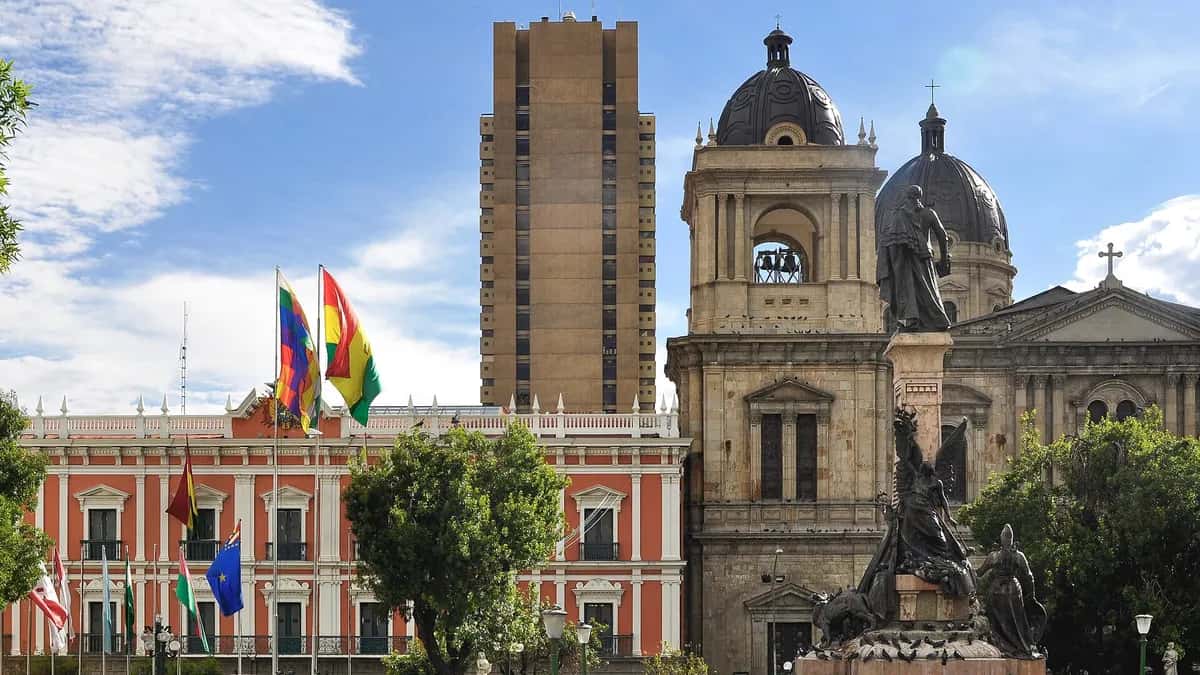
Kast landed at El Alto airport shortly after 8:00 Bolivian time (9:00 in Chile). He was received by Bolivian Foreign Minister Héctor Huanca and La Paz governor Luis Revilla, who gave him the keys to the city. He was accompanied by Foreign Minister Francisco Pérez Mackenna, Energy Minister Ximena Rincón, Senator Manuel José Ossandón and the governors of Arica y Parinacota, Tarapacá and Antofagasta.
| Chile time | Activity |
|---|---|
| 9:00 | Arrival at El Alto airport |
| 11:00 | Honours from the Colorados de Bolivia Regiment |
| 11:15 | Official greeting with Rodrigo Paz and private meeting, later expanded to delegations |
| After the meeting | Signing of agreements by foreign and energy ministers |
| Around 13:15 | Joint declaration |
| Afternoon | Meeting with border governors from both countries and press briefing at the Consulate General |
| 20:00 | Return to Chile |
The programme is the one reported by CNN Chile. The governors' meeting included those of La Paz and Potosí on the Bolivian side.
What is expected from the joint declaration
According to the official programme, after the private meeting and the expanded meeting with delegations, the foreign and energy ministers would sign a series of agreements, after which Kast and Paz would read a joint declaration without questions from the press. The presidency warned that several instruments were pending confirmation, so we do not treat the agreements as signed until they are published.
The 11-point agenda
The 11-point bilateral agenda was agreed in December 2025, according to Bolivia's Minister of the Presidency, Fernando Aramayo, quoted by Los Tiempos. None of the sources consulted published the full list of 11 points. The topics La Moneda announced for the agreements are these:
| Topic | What was proposed before the visit |
|---|---|
| Mining | Exchange of information and experience on critical minerals, exploration, investment and environmental practices |
| Trade | Modernising the existing trade agreement to reduce barriers and boost services and investment |
| Digital connectivity | A bi-oceanic link from Arica to Bolivia, with access to Pacific submarine cables |
| Health | Emergency care in public hospitals for citizens of both countries, regardless of migration status or ability to pay |
| Energy | Assessing a possible electricity interconnection |
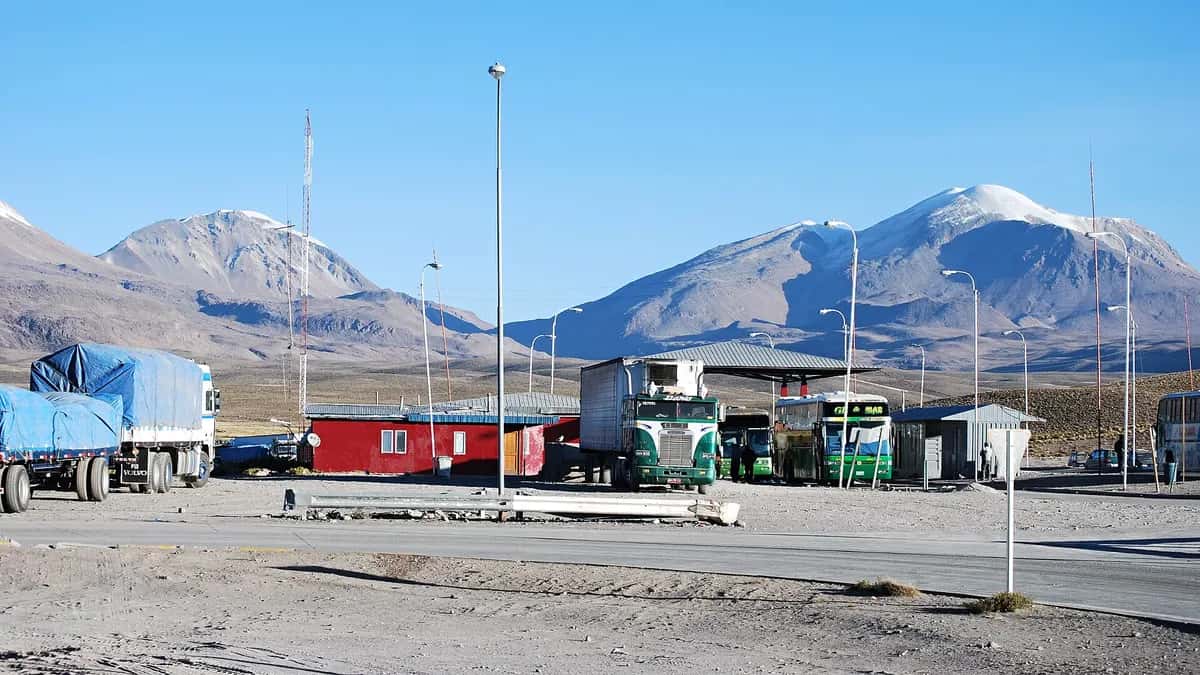
| Border and security | Migration control, infrastructure and information sharing against organised crime, trafficking, smuggling and drug trafficking |
| Physical integration | Studies on port capacity and the Antofagasta-Oruro rail link |
Before the trip, the presidency warned that several instruments were still pending confirmation. The Bolivian foreign ministry said the case of the seized timber was not on the agenda, although former president Jorge Quiroga asked for it to be raised.
What remains pending
- Diplomatic relations: they remain at consular level; La Moneda said restoring them was not the immediate goal.
- Implementation: the trade, energy and connectivity agreements require studies and, in some cases, legislative approval.
- Border: irregular migration and smuggling in the north will remain on the governors' agenda.
Frequently asked questions
Is this the first visit by a Chilean president to Bolivia?
It is the first state visit in 71 years. The previous one was by Carlos Ibáñez del Campo in August 1955.
Do Chile and Bolivia have diplomatic relations?
Not full ones. They were broken off in 1978 and the countries deal with each other through consulates general.
Who did Kast meet?
Bolivian President Rodrigo Paz, in La Paz.
What topics were discussed?
Mining, trade, digital connectivity, health, energy, border and security, and physical integration.
Will diplomatic relations be restored?
La Moneda said that is not the immediate goal of the visit.