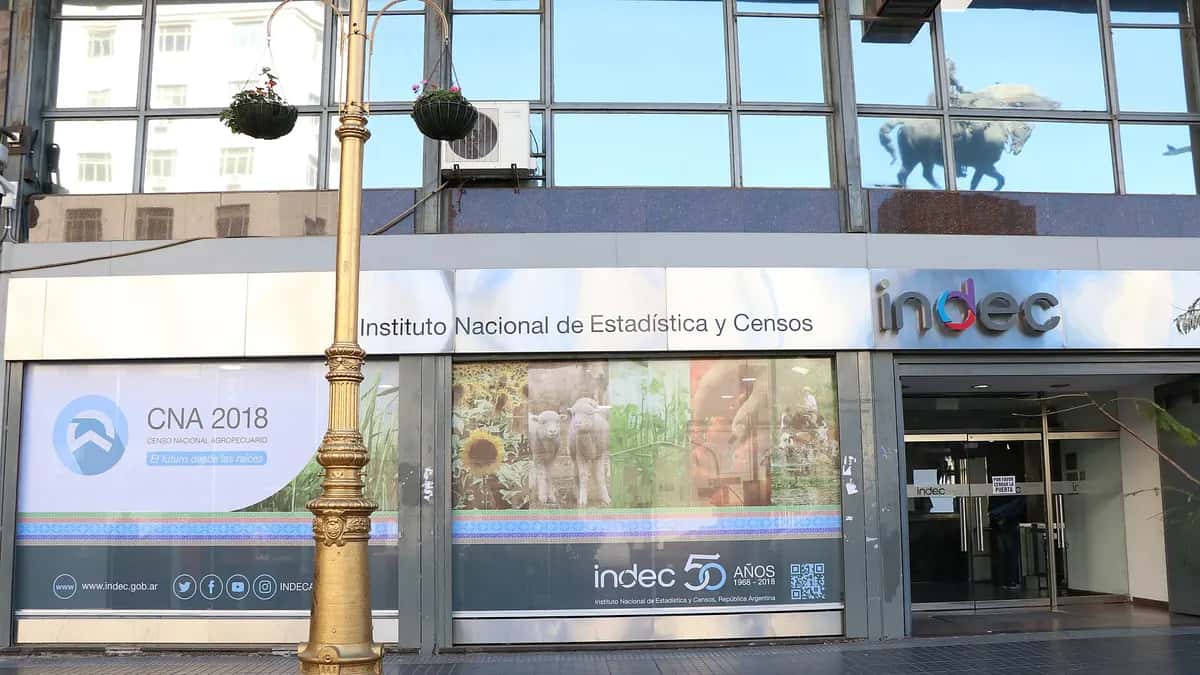
35.4% of households in Argentina's 31 urban areas have no piped gas, according to the living conditions report for the first half of 2026 that INDEC published on November 4. A year earlier the figure was 34.3%. Overall, 52.6% of people, some 15.8 million out of 30.1 million, lack at least one of the three basic services: running water, piped gas or sewerage, Infobae and Noticias Argentinas reported.
The data comes six weeks after the statistics agency reported that poverty rose to 32.3% of people in the first half of the year. This article brings together the services figures, the gap by income level and the regional poverty context.
What the INDEC report says about basic services
The Permanent Household Survey (EPH) covers 31 urban areas with 10,248,000 households and 30,149,000 people; it excludes small towns and rural areas. 90.9% of households have running water, 73.1% are connected to sewers and 64.6% have piped gas, according to Noticias Argentinas. In the first half of 2023, gas access reached 67.1% of households, El Argentino noted.
View the data as a table
| Households without piped gas | 35.4% |
| People lacking at least one service | 52.6% |
| People lacking at least one service | 15.8 million |
| Indicator (households) | H1 2025 | H1 2026 |
|---|---|---|
| No piped gas | 34.3% | 35.4% |
| No sewerage | 26.9% | 26.9% |
| No running water | 9.4% | 9.1% |
| Lacking at least one of the three | 46.2% | 47.0% |
| With all three services | — | 53.0% |
Source: INDEC, via Infobae and Noticias Argentinas. Because the EPH is a sample survey, each figure has a margin of error; INDEC cautions that small changes between half-years should be read carefully.
Piped gas is the biggest gap
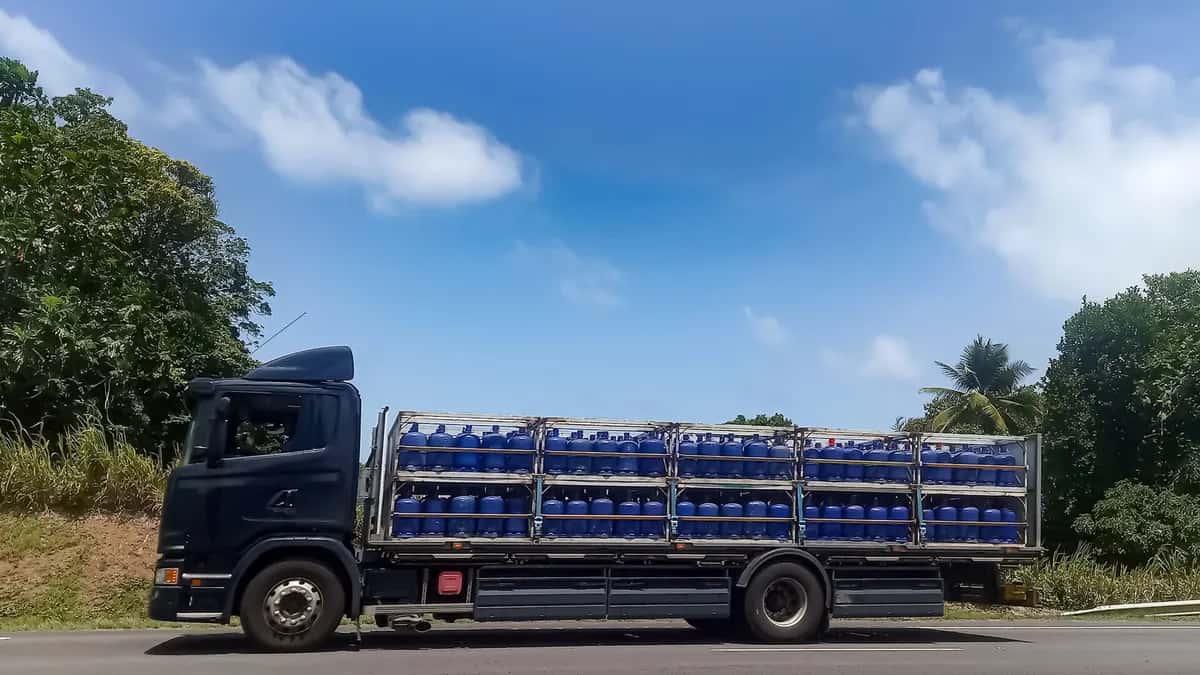
Measured in people, 40.5% have no piped gas, about 12.2 million, up from 39.2% a year earlier. 30.7% of people have no sewer connection (9.3 million) and 10.6% no running water (3.2 million), according to Infobae. Those without gas use bottled gas, kerosene, firewood or charcoal; those without sewers rely on septic tanks and cesspits, and some have no bathroom at all.
| Service (people) | H1 2025 | H1 2026 | People without the service, 2026 |
|---|---|---|---|
| No piped gas | 39.2% | 40.5% | 12.2 million |
| No sewerage | 30.6% | 30.7% | 9.3 million |
| No running water | 10.6% | 10.6% | 3.2 million |
| Lacking at least one service | 51.6% | 52.6% | 15.8 million |
The gap between poor and non-poor households
INDEC cross-references access to services with income poverty. Among non-poor people, 58.0% have all three services; among the poor who are not in extreme poverty, 31.7%; and among the extremely poor, just 19.1%. The widest gap is in gas: 69.1% of non-poor people have it, compared with 29.5% of the extremely poor.
| People with access to… | Not poor | Poor, not extremely poor | Extremely poor |
|---|---|---|---|
| Running water | 91.8% | 88.5% | 83.2% |
| Sewerage | 76.3% | 61.3% | 52.2% |
| Piped gas | 69.1% | 43.4% | 29.5% |
| All three services | 58.0% | 31.7% | 19.1% |
Source: INDEC, via Infobae. The report also covers housing: 81.3% of households live in homes built with adequate materials, 6.2% in homes with inadequate materials and 1.8% in critical overcrowding (more than three people per room). 61.7% own their home and 20.9% rent. In health, 17.8% of households rely only on the public system, according to Noticias Argentinas.
Housing, overcrowding and health in the INDEC report
Beyond services, the living conditions report measures housing quality, overcrowding, tenure and health coverage. The results show that almost one in five households lives in homes with partially or fully inadequate materials and that one in five rents.
| Indicator (households) | H1 2026 |
|---|---|
| Home with adequate materials | 81.3% |
| Home with partially inadequate materials | 12.5% |
| Home with inadequate materials | 6.2% |
| Inadequate sanitation | 11.6% |
| Fewer than 2 people per room | 86.1% |
| Critical overcrowding (more than 3 people per room) | 1.8% |
| Owners of home and land | 61.7% |
| Tenants | 20.9% |
| All members with social, prepaid or mutual health insurance | 61.1% |
| All rely only on the public health system | 17.8% |
Source: INDEC, via Noticias Argentinas and El Argentino. The remaining 21.1% of households have at least one member who relies only on the public system. Piped gas is costlier to extend than water because it needs trunk networks and home connections, so the gap is concentrated on the outskirts of large cities and in the northern provinces.
Poverty in Argentina, the context of the INDEC report
The INDEC poverty report for the first half of 2026 showed 32.3% of people in poverty (9.7 million in the 31 urban areas) and 7.5% in extreme poverty (2.2 million). That is up 4.1 points from the second half of 2025, although the agency says there are no significant changes compared with the same half of the previous year (31.6%). The series peaked at 52.9% in the first half of 2024.
View the data as a table
| Poverty | Extreme poverty | |
|---|---|---|
| 2S16 | 30.3% | 6.1% |
| 1S17 | 28.6% | 6.2% |
| 2S17 | 25.7% | 4.8% |
| 1S18 | 27.3% | 4.9% |
| 2S18 | 32.0% | 6.7% |
| 1S19 | 35.4% | 7.7% |
| 2S19 | 35.5% | 8.0% |
| 1S20 | 40.9% | 10.5% |
| 2S20 | 42.0% | 10.5% |
| 1S21 | 40.6% | 10.7% |
| 2S21 | 37.3% | 8.2% |
| 1S22 | 36.5% | 8.8% |
| 2S22 | 39.2% | 8.1% |
| 1S23 | 40.1% | 9.3% |
| 2S23 | 41.7% | 11.9% |
| 1S24 | 52.9% | 18.1% |
| 2S24 | 38.1% | 8.2% |
| 1S25 | 31.6% | 6.9% |
| 2S25 | 28.2% | 6.3% |
| 1S26 | 32.3% | 7.5% |
By region, the Northeast has the highest poverty rate (41.5%) and Patagonia the lowest (28.4%), according to table 4.1 of the report.
| Region | Poverty (people) | Extreme poverty (people) |
|---|---|---|
| Northeast | 41.5% | 10.5% |
| Cuyo | 36.7% | 5.0% |
| Greater Buenos Aires | 32.1% | 8.4% |
| Northwest | 31.5% | 4.3% |
| Pampas | 30.3% | 7.2% |
| Patagonia | 28.4% | 4.2% |
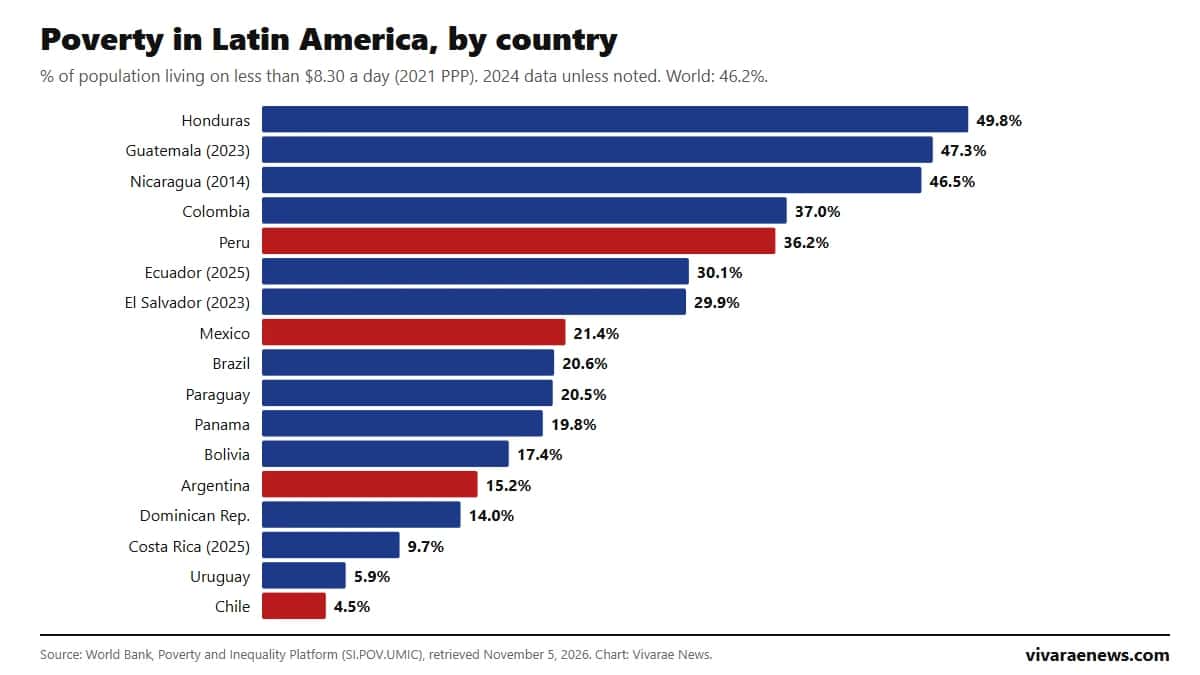
Source: INDEC. More data on jobs and income in Argentina: registered private employment, public employment according to INDEC and inflation year by year since 1998. To compare with the region, see poverty in Latin America by country.
Frequently asked questions
How many households have no piped gas in Argentina?
35.4% of households in the 31 urban areas, according to INDEC for the first half of 2026. In people, 40.5%, about 12.2 million.
How many people lack all basic services?
15.8 million people, 52.6% of the urban population surveyed, lack at least one of these services: running water, piped gas or sewerage.
Which service has the widest coverage?
Running water, reaching 90.9% of households. Sewerage reaches 73.1% and piped gas 64.6%.
What is the poverty rate in Argentina in 2026?
32.3% of people and 24.4% of households in the first half of 2026, according to INDEC; extreme poverty was 7.5%.
Does the report include rural areas?
No. The EPH covers 31 urban areas with about 30.1 million people; it does not measure small towns or the countryside.