The High Seas Treaty, known as the BBNJ Agreement, has 105 parties and 145 signatories, and in January 2027 its members will choose where its secretariat will be based: Valparaíso, Brussels or Xiamen. Chile, the second country in the world to ratify it, is pushing hard: it merged its bid with Belgium's, and President José Antonio Kast said in Tokyo that Japan supports it. Ratification data come from the UN Treaty Collection, accessed November 20, 2026.
View the data as a table
| Parties | 105 |
| Signatories | 145 |
| Bids to host | 3 |
| Chile's place in ratifying | 2 |
What the High Seas Treaty is
The Agreement on Marine Biological Diversity of Areas beyond National Jurisdiction (BBNJ) was adopted in New York on June 19, 2023 under the UN Convention on the Law of the Sea. It governs the high seas, the waters beyond the 200-mile exclusive economic zones that, according to the UN, make up about two thirds of the ocean. It entered into force on January 17, 2026, 120 days after the 60th ratification was deposited.
| Treaty pillar | What it covers |
|---|---|
| Marine genetic resources | How the benefits of using high-seas organisms, for example in medicines, are shared |
| Marine protected areas | Allows protected areas to be created in international waters for the first time |
| Environmental impact assessments | Requires assessing activities that may harm the high seas |
| Capacity building and technology transfer | Support for developing countries to research and monitor the ocean |
Source: Redimin and the UN. The secretariat to be set up will provide administrative support for implementing the treaty, organize meetings of its bodies and channel information on compliance.
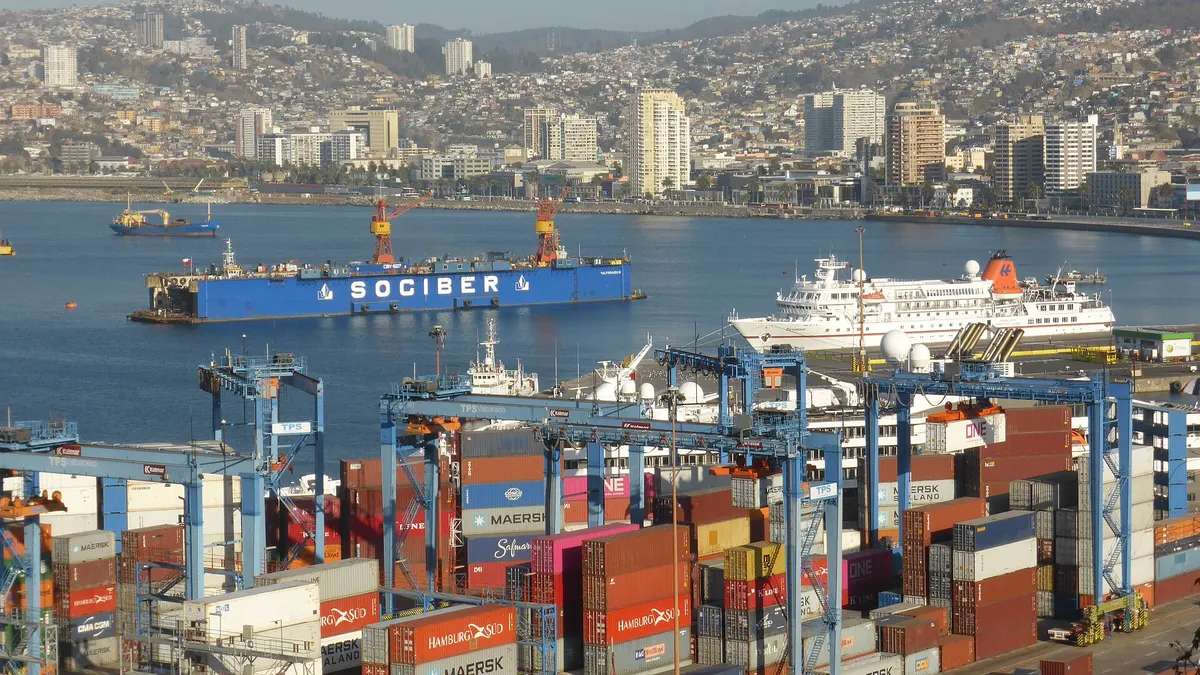
Valparaíso, Brussels or Xiamen: who is bidding to host the High Seas Treaty
| Bid | Country | What it offers |
|---|---|---|
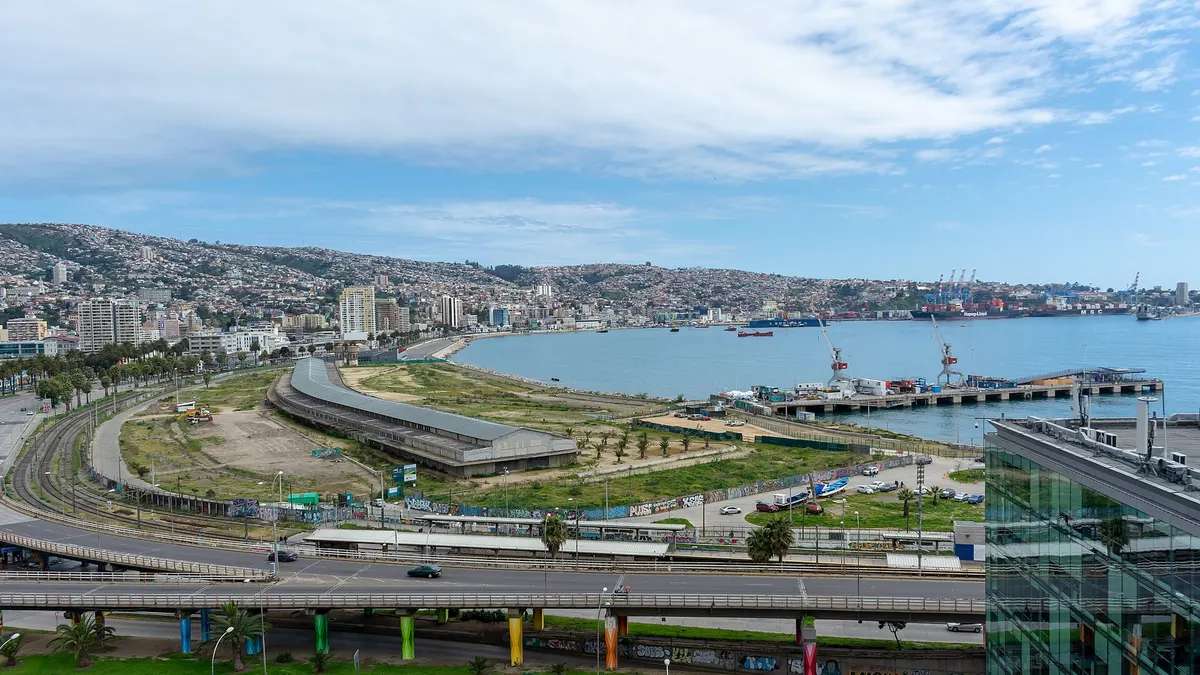
| Valparaíso | Chile | A heritage building of about 11,000 m² in the Parque Barón area, fit-out paid by Chile and a special visa regime for staff |
| Brussels | Belgium | Residence Palace, in the diplomatic quarter, with offices and conference rooms |
| Xiamen | China | A 15-storey office building, financial support and immigration facilities |
Source: Redimin, with information from Chile's Foreign Ministry. All three bids were officially recognized by the UN. On November 6, Chile and Belgium announced they were merging their bids: the main seat would be in Valparaíso, with the financial mechanisms, and Brussels would run the Clearing-House Mechanism and host meetings, El Mostrador reported. "This agreement strengthens Valparaíso's bid," said Foreign Minister Francisco Pérez Mackenna.
For Chile, the main argument is symbolic and diplomatic: according to the foreign minister, Valparaíso "could become the first seat in Latin America of a multilateral body with universal membership." The real contest is with China, which is offering more resources and ratified the treaty in December 2025. Valparaíso Mayor Camila Nieto said the months before the vote will be decisive.
Who has ratified the High Seas Treaty in Latin America
| Chile | Sep 20, 2023 | Feb 20, 2024 | Party |
| Belize | Sep 22, 2023 | Apr 8, 2024 | Party |
| Cuba | Sep 20, 2023 | Jun 28, 2024 | Party |
| Panama | Sep 20, 2023 | Oct 23, 2024 | Party |
| Costa Rica | Sep 20, 2023 | May 22, 2025 | Party |
| Mexico | Sep 20, 2023 | Sep 22, 2025 | Party |
| Uruguay | Jan 29, 2024 | Sep 25, 2025 | Party |
| Honduras | Sep 20, 2023 | Sep 26, 2025 | Party |
| Brazil | Sep 21, 2023 | Dec 16, 2025 | Party |
| Ecuador | Sep 21, 2023 | Dec 22, 2025 | Party |
| Dominican Republic | Sep 20, 2023 | Mar 24, 2026 | Party |
| Argentina | Jun 18, 2024 | — | Signed only |
| Bolivia | Sep 20, 2023 | — | Signed only |
| Colombia | Sep 20, 2023 | — | Signed only |
| Paraguay | Sep 10, 2025 | — | Signed only |
| Peru | Jun 9, 2025 | — | Signed only |
| Country | Ratification or accession |
|---|---|
| Chile | Feb 20, 2024 |
| Belize | Apr 8, 2024 |
| Cuba | Jun 28, 2024 |
| Panama | Oct 23, 2024 |
| Costa Rica | May 22, 2025 |
| Mexico | Sep 22, 2025 |
| Uruguay | Sep 25, 2025 |
| Honduras | Sep 26, 2025 |
| Brazil | Dec 16, 2025 |
| Ecuador | Dec 22, 2025 |
| Dominican Republic | Mar 24, 2026 |
Source: UN Treaty Collection, accessed November 20, 2026. Eleven Latin American countries are already parties. Argentina, Bolivia, Colombia, Paraguay and Peru have signed but not yet ratified it; at COP1 only states parties take part as full members. Outside the region, the United States signed and has not ratified; China ratified on December 15, 2025, Japan acceded on December 12, 2025 and Belgium ratified on June 9, 2025.
Timeline: when the High Seas Treaty seat will be decided
- Jun 19, 2023Agreement adopted in New York
- Sep 20, 2023Opens for signature; Chile signs on day one
- Feb 20, 2024Chile ratifies, the second country in the world
- Jan 17, 2026Enters into force
- Nov 6, 2026Chile and Belgium merge their bids
- Nov 20, 2026Kast says Japan backs Valparaíso
- Jan 11-22, 2027COP1 in New York: choice of seat
The first Conference of the Parties (COP1) is scheduled for January 11-22, 2027 at UN headquarters in New York, according to Redimin. Before that, Chile campaigned at the Pacific Islands Forum in Palau and with the help of former president Eduardo Frei in Brazil. Kast added Japan's backing during his visit to Tokyo; see Chile-Japan trade in figures. Another recent environmental negotiation with regional weight was the COP31 climate summit.
Frequently asked questions
What is the High Seas Treaty?
It is the UN BBNJ Agreement, which protects biodiversity in international waters: it allows marine protected areas, requires environmental assessments and shares the benefits of marine genetic resources.
How many countries have ratified the treaty?
105 parties as of November 20, 2026, out of 145 signatories, according to the UN.
When will the seat be chosen?
At COP1, January 11-22, 2027 in New York.
Who is Valparaíso competing with?
With Xiamen, in China. Brussels was the third candidate but joined Chile in a joint bid.