The Antarctic Cable, the undersea fiber-optic link Chile wants to lay to the white continent, is feasible and faces no "insurmountable obstacles," according to the feasibility study that Telecommunications Undersecretary Romina Garrido presented on Monday, November 9, in Madrid, reported Subtel. The report sets out two options: one of 1,600 kilometers, for about US$370 million, and another of 4,100 kilometers, for US$621 million, with operations projected to start in 2034.
The study was funded by CAF, the Development Bank of Latin America and the Caribbean, and carried out by the Salience Consulting and Pioneer Consulting consortium. It assessed technical, legal, economic, financial, environmental and geopolitical aspects. It would be the first fiber-optic link to Antarctica, used exclusively for science and international cooperation. "It is an initiative our country must lead and that will turn Chile into a technology hub for science," Garrido said.
View the data as a table
| Cost of the optimal option | US$ 621 M |
| Cost of the basic option | US$ 370 M |
| Facilities in the area with digital constraints | 55 |
| Projected start of operations | 2,034 |
Antarctic Cable: the two route options
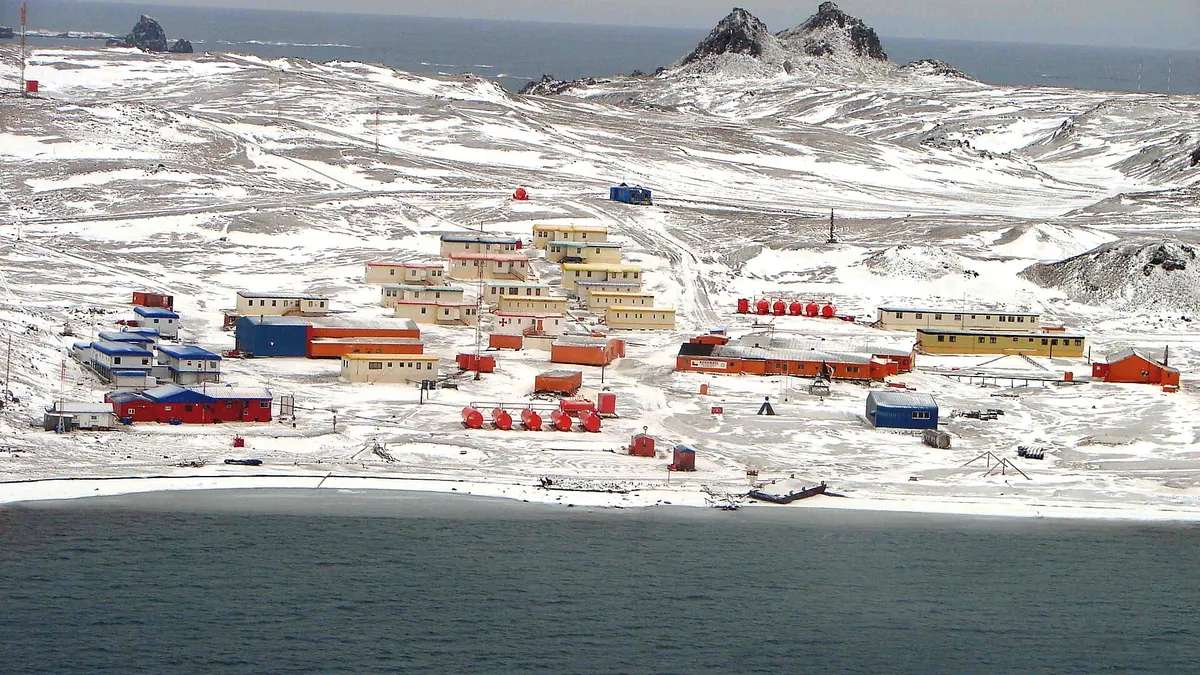
The technical proposal analyzed a basic and an optimal configuration. The basic one, 1,600 kilometers long, would connect three Chilean Antarctic bases: Presidente Eduardo Frei Montalva, General Bernardo O'Higgins and Capitán Arturo Prat. The optimal one, 4,100 kilometers long, would extend coverage to 28 research facilities and add oceanographic sensors to measure critical climate change variables in real time.
| Option | Length | Estimated cost | Cost per km | What it connects | Anchor users |
|---|---|---|---|---|---|
| Basic | 1,600 km | US$370 million | US$231,000 | Frei, O'Higgins and Capitán Prat bases | Chile, Germany and Korea |
| Optimal | 4,100 km | US$621 million | US$151,000 | 28 research facilities and oceanographic sensors | Plus: US, UK, Brazil and Poland |
Source: Subtel, press release of November 9, 2026. Cost per kilometer is a Vivarae News calculation based on the figures in the release. The optimal option costs 68% more, but it is 2.6 times as long and reaches nine times as many facilities, so the cost per kilometer falls from about US$231,000 to US$151,000.
Why Antarctica needs fiber optics
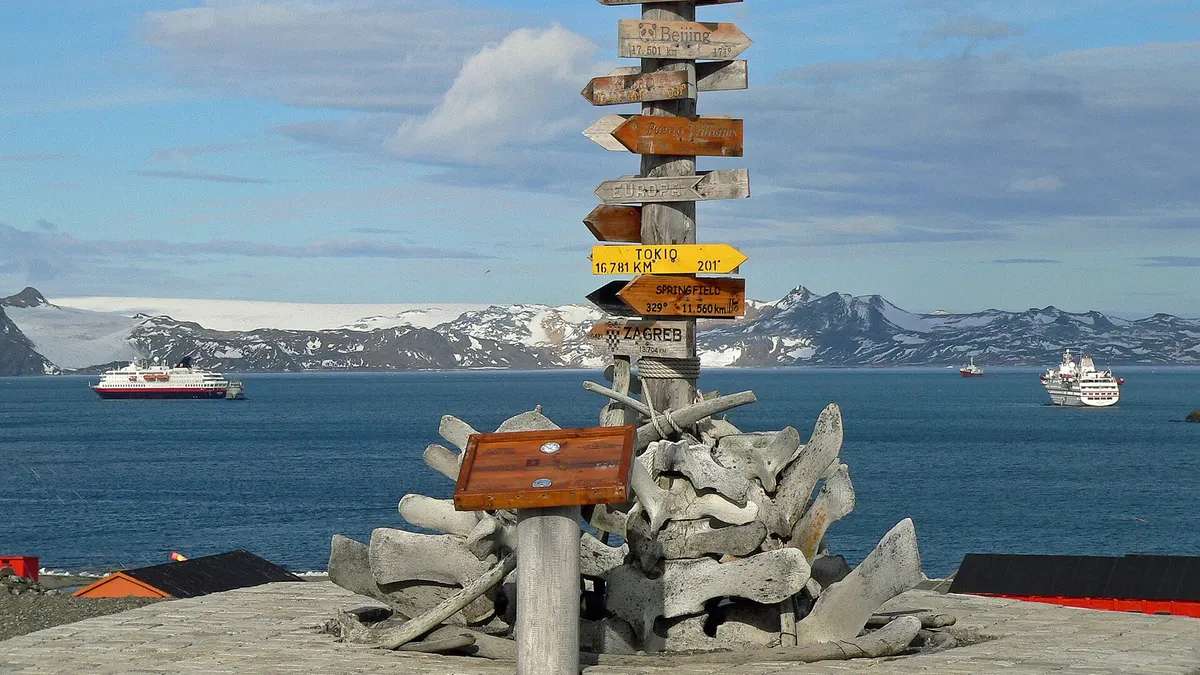
Today, Antarctic bases depend mainly on satellite links. According to Subtel, the cable would solve the "severe digital constraint" facing 55 facilities from 21 countries in the area, whose projected demand will exceed 59 terabits per second (Tbps) by 2058. With fiber, according to the release, scientific work could be done "in real time."
The route must cross the Drake Passage, one of the roughest seas on the planet. Subtel says current undersea technology can cope with its extreme conditions, but stresses that construction "will be neither immediate nor unconditional."
Who would pay for the Antarctic Cable, and what is still missing
The study proposes that funding should not fall on the public purse. It suggests combining multilateral development banks, contributions from participating states and long-term fiber usage rights (IRUs), through a joint venture or contractual agreements. Before construction, the project must meet three enabling conditions:
| Condition | What it involves |
|---|---|
| Dual environmental review | Assessment under Chilean law and under the Madrid Protocol of the Antarctic Treaty |
| Demand commitment | Participating countries must formally commit to using the cable |
| Governance | A neutral, shared model aligned with the Antarctic Treaty System |
Source: Subtel, press release of November 9, 2026. Subtel will present the study to the Antarctic Policy Council in December 2026, to define a state position together with the Foreign Affairs, Finance and Defense ministries.
- Nov 9, 2026Feasibility study presented in MadridIt concludes the project is viable.
- Dec 2026Antarctic Policy CouncilState position with Foreign Affairs, Finance and Defense.
- No dateEnvironmental permits and demand commitmentsChilean law and the Madrid Protocol.
- 2034Projected start of operations
- 2058Projected demand above 59 Tbps
The cable in Chile's digital agenda
The announcement adds to others from Subtel in recent weeks. On October 7, the undersecretariat presented the seven pillars of the National Digital Plan 2026-2036, which aims to position Chile as the "digital hub of Latin America" and projects investments of US$2 billion in telecommunications by 2030 and US$160 billion in data centers and cloud by 2050. On November 2, the government reported that the Santiago Metro completed 4G and 5G coverage across its 143 stations; Garrido said then that Chile has more than 10.8 million 5G connections.
| Date | Subtel announcement | Key figure |
|---|---|---|
| Oct 7, 2026 | National Digital Plan 2026-2036 | US$2 billion in telecom by 2030 |
| Nov 2, 2026 | Santiago Metro with 4G and 5G across the network | 143 stations; 10.8 million 5G connections in Chile |
| Nov 9, 2026 | Antarctic Cable study | US$370 to 621 million; operating in 2034 |
The National Digital Plan, mandated by the Internet as a Public Service Act, is organized into seven pillars. The Antarctic Cable fits the first one and the innovation pillar, although the October release does not mention it by name:
| National Digital Plan pillar | Goal |
|---|---|
| Digital Highways of the Future | Prepare infrastructure and spectrum for 5G, 5.5G and 6G |
| Investment and Digital Development | Speed up infrastructure investment and rollout |
| Connectivity | More capacity, resilience and territorial reach |
| Cybersecurity | Protect networks against new threats |
| Universal Accessibility | Close gaps for people and territories |
| Quality of Service | Better measurement of user experience |
| Innovation and Talent | New technologies, applied research and skills |
Source: Subtel, October 7, 2026. The plan's final document will be consolidated in working groups over the coming months, with telecom companies, industry groups and international organizations taking part.
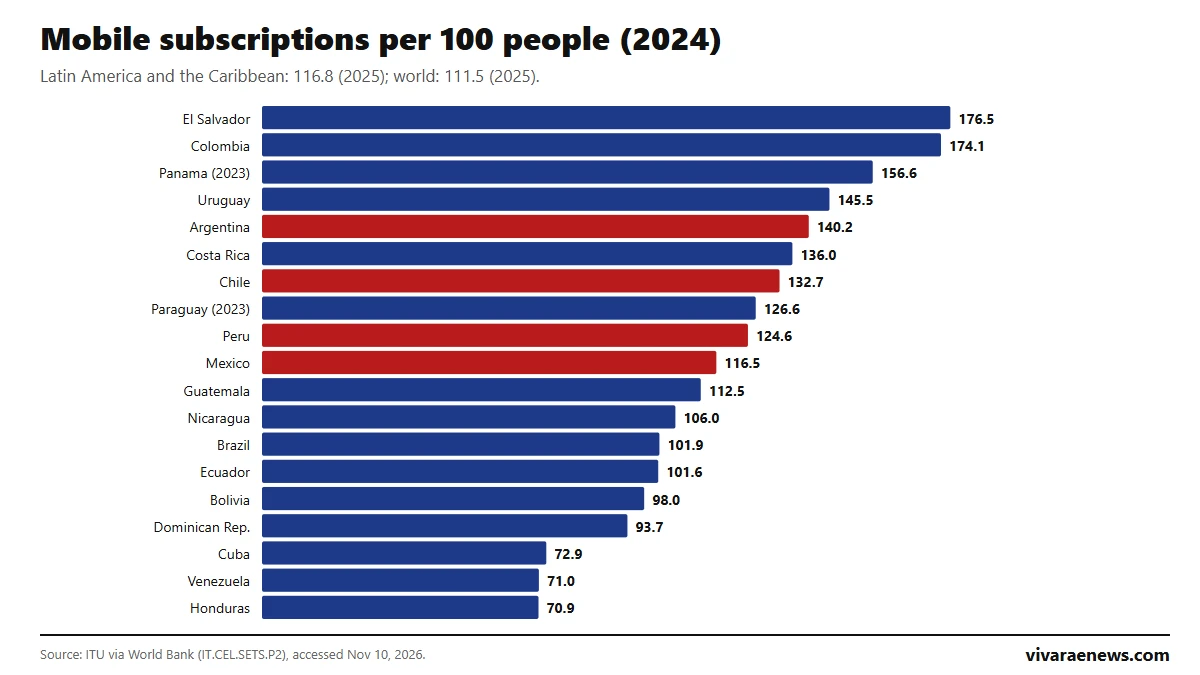
Sources: Subtel press releases of October 7 and November 2 and 9, 2026. To see where Chile stands on connectivity, check the internet speed ranking and the ranking of mobile subscriptions in Latin America.
Frequently asked questions
What is the Antarctic Cable?
An undersea fiber-optic project promoted by Subtel to connect Chile with research bases in Antarctica, focused exclusively on science and international cooperation.
How much would it cost?
Between US$370 million (1,600 km, three Chilean bases) and US$621 million (4,100 km, 28 facilities), according to the feasibility study.
When would it operate?
Subtel projects operations starting in 2034, subject to environmental permits, demand commitments and a governance model.
Will the state pay for it?
The study proposes that it not fall on the public purse: multilateral banks, contributions from participating countries and fiber usage rights.