Chile passed 2,000 deportations of foreigners in 2026 with the charter flight that left on Friday, October 23, carrying 75 people to Colombia, Peru and the Dominican Republic, Undersecretary of the Interior Máximo Pavez said ([La Tercera](https://www.latercera.com/nacional/noticia/gobierno-concreta-nueva-expulsion-de-75-migrantes-y-suma-mas-de-1700-deportaciones-desde-marzo/)). About 1,700 of them took place since March 11, when José Antonio Kast's government took office. It was the year's eleventh deportation flight.
The government calls the figure a record; former head of the National Migration Service Luis Eduardo Thayer warns that comparisons with past years do not use the same criteria. Here are each side's numbers and what comes next.
The eleventh deportation flight
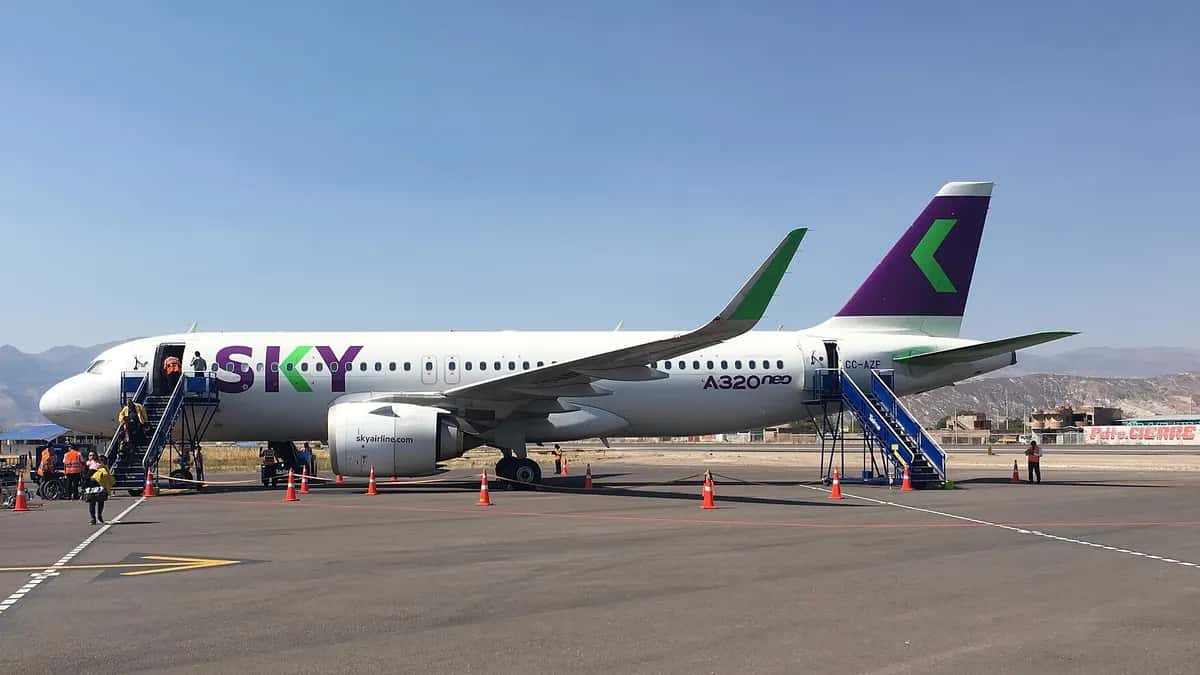
The plane, operated by Sky Airline, left Santiago's Arturo Merino Benítez airport and stopped in Iquique, where the last seven deportees boarded, according to La Tercera and T13.
| October 23 flight | Figure |
|---|---|
| Total deported | 75 |
| Colombians | 50 |
| Peruvians | 14 |
| Dominicans | 11 |
| Administrative deportations | 69 |
| Court-ordered deportations | 6 |
| Boarded in Iquique | 7 (6 Colombians and 1 Peruvian) |
Source: National Migration Service and PDI police, cited by La Tercera. According to migration director Frank Sauerbaum, most entered through unauthorized border crossings, while others had convictions for drug trafficking, violent robbery, illegal possession of firearms or the rape of a girl under 14. The PDI's national head of migration, Ernesto León, said five were "of high interest" to police.
How many migrants Chile has deported in 2026
| Indicator | Figure | Source |
|---|---|---|
| Deportations carried out as of October 22 | 1,925 (1,726 administrative and 199 court-ordered) | Deportations task force, via La Tribuna |
| Deportations in 2026 after the October 23 flight | 2,000 | Undersecretariat of the Interior |
| Deportations since March 11 | about 1,700 (CNN Chile reported 1,704) | Undersecretariat of the Interior |
| Voluntary departures (January 3 to October 17) | 11,011 | Government memo, via La Tribuna |
| Total departures reported | 13,011 | La Tribuna's calculation |
Sources: La Tercera and La Tribuna. Voluntary departures are foreigners who entered through unauthorized crossings and left the country under police control without a deportation order. Sauerbaum said "more than 80%" of them were Venezuelans; the presidential palace reported about 7,000 Venezuelans out of 11,000, close to 64%, according to BioBioChile. The two figures do not match.

Deportations of migrants in Chile compared with 2022-2025
Pavez compared 2026's 2,000 deportations with previous years in percentage terms and said that between 2022 and 2025 there was an annual average of 1,096. From those percentages the approximate figure for each year can be rebuilt:
| Year | Deportations (approx.) | 2026 vs. that year |
|---|---|---|
| 2022 | 1,072 | +86.6% |
| 2023 | 948 | +111% |
| 2024 | 1,102 | +81.5% |
| 2025 | 1,269 | +57.6% |
| 2026 (to October 23) | 2,000 |
Our own calculation from the percentages Undersecretary Pavez gave La Tercera; the government did not publish exact yearly figures on that occasion. The average of the four rebuilt years is about 1,098, close to the 1,096 Pavez cited.
The disputed figures
Sauerbaum criticized that only about 700 removals were carried out under his predecessor, compared with nearly 2,000 this year. Thayer, migration director under Gabriel Boric, replied that voluntary departures of people with deportation orders were not counted before, unlike under the current administration, according to BioBioChile. In other words, part of the gap depends on what counts as a deportation.
This outlet did not have access to a consistent official series that would settle the dispute: the 2022-2025 figures in the table above come from the current government's percentages.
The October 18 detainees and the new deportation procedure
After the march marking the seventh anniversary of the 2019 social unrest, on Sunday, October 18, President Kast ordered the deportation of foreigners arrested for public disorder, and the government signed the decrees this week. According to BioBioChile, six migrants remain in custody and have ten days to appeal their deportation orders, so their fate depends on the courts. Our sister outlet La Tendencia covered the case in this article.
Meanwhile, Congress this week passed the bill changing the administrative deportation procedure: it cuts the deadline to appeal in court from 10 to 5 days, simplifies notifications and provides tools to locate people with final deportation orders, according to T13.
What comes next: budget and new flights
Sauerbaum said the deportation budget was fully spent in August and that the Interior Ministry secured "more than 1.76 billion pesos to finish the year". There will be more charter flights, Air Force planes and daily removals on commercial flights, as well as inspections of employers who hire people without work permits (La Tercera). Government spokesman Gonzalo Arenas has highlighted the security agenda; funding is being debated in the 2027 budget.
Frequently asked questions
How many migrants has Chile deported in 2026?
2,000 after the October 23 flight, according to the government. About 1,700 took place since March 11.
Where did the latest deportation flight go?
To Colombia, Peru and the Dominican Republic, with 50, 14 and 11 people, respectively.
What is the difference between administrative and court-ordered deportation?
Administrative deportation is ordered by the migration authority, for example for irregular entry; court-ordered deportation is ordered by a judge, usually as part of a sentence. The latest flight had 69 and 6.
What are voluntary departures?
Departures of foreigners who entered through unauthorized crossings and left under police control without a deportation order. There were 11,011 between January 3 and October 17.
Why is the comparison with past years disputed?
Former migration director Luis Eduardo Thayer says voluntary departures of people with deportation orders were not counted before, so the figures are not comparable.