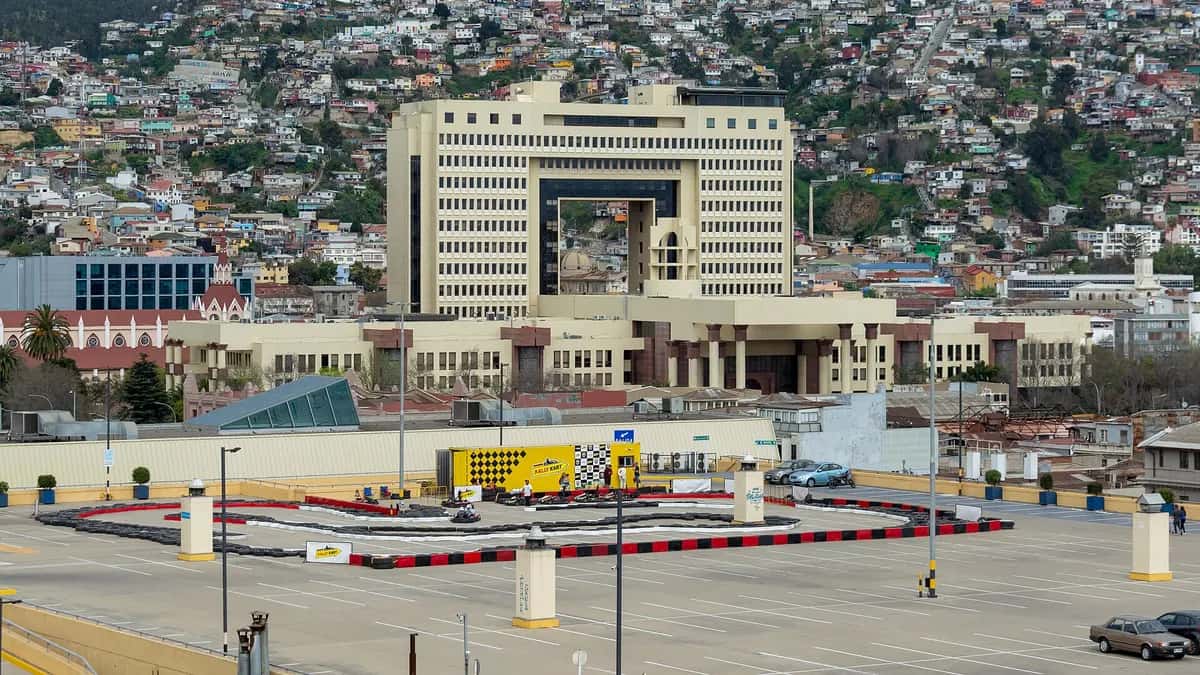
Chile's 2027 budget, the first of President José Antonio Kast's government, proposes 1.5% growth in public spending compared with this year and enters its decisive stretch this week: the five joint subcommittees have hearings scheduled until Wednesday 21 October, and votes in the Special Joint Budget Committee are expected between late October and early November, according to [Emol](https://www.emol.com/noticias/Nacional/2026/10/06/1213310/presupuesto-ley-pasos-tramitacion-congreso.html). Congress has until 29 November to pass it.
The bill was sent to the Chamber of Deputies on 30 September and Finance Minister Jorge Quiroz presented it on 5 October. Here are the figures released by the government, the debate over how much spending really rises and the timetable ahead.
How much spending rises in Chile's 2027 budget
The government reports a 1.5% rise in spending, both against projected 2026 execution and against the budget law approved for this year. In August, the Finance Ministry had spoken of growth of between 0% and 1%, according to Radio Universidad de Chile.
The opposition questions that baseline. Deputy Jorge Brito (Frente Amplio) argues the 1.5% figure is "misleading" because the base already includes the across-the-board 3% cut applied to ministries in 2026. The minister for the Presidency (Segpres), José García Ruminot, replied that "both numbers are correct" and that 2026 spending exceeded the original law because of underfunded obligations. The government also cites authorization for additional borrowing of US$6.2 billion to cover 2026 commitments.
What Kast's 2027 budget prioritizes
According to the summary published on gob.cl, these are the areas the executive highlighted, with their amount and change versus 2026 (amounts in Chilean pesos; "billion" here means a million million, as in Spanish):
| Area | 2027 amount | Change |
|---|---|---|
| Growth, jobs and reconstruction | 9.5 trillion pesos | +8.1% |
| Security | 7 trillion pesos | +9.1% |
| Universal Guaranteed Pension (PGU) | 7 trillion pesos | more than 2.2 million people |
| Education | 17.3 trillion pesos | more than 3.5 million students |
| Children | 2.5 trillion pesos | +4.1% |
| Health | Not reported | +4.7% |
Among specific increases, the government mentions Sercotec (+23.5%), the prison service Gendarmería (about +18%), the National Migration Service (about +33%) and a fund for children at high risk (+165%). It also announced a review of 632 programs across 23 ministries, more than 166,000 housing subsidies in the first year and savings on framework purchases and public office rents.
One figure the president repeated: in 2026, 5.3% of the budget went to interest payments on debt. "Every peso we pay in interest today is a peso that does not reach a clinic," Kast said. The gob.cl summary does not report the bill's total or its deficit target; both are in the financial report of the Budget Office.
When Congress votes on Chile's 2027 budget
The process has deadlines set by the Constitution. This is the known timetable as of 19 October:
| Stage | Date or deadline |
|---|---|
| Bill sent to the Chamber | 30 September 2026 |
| Presentation by the finance minister | 5 October |
| Five joint subcommittees review each item | Hearings until 21 October |
| Vote in the Special Joint Committee | Late October or early November |
| Floor of the Chamber, then the Senate | November |
| Deadline to pass the law | 29 November |
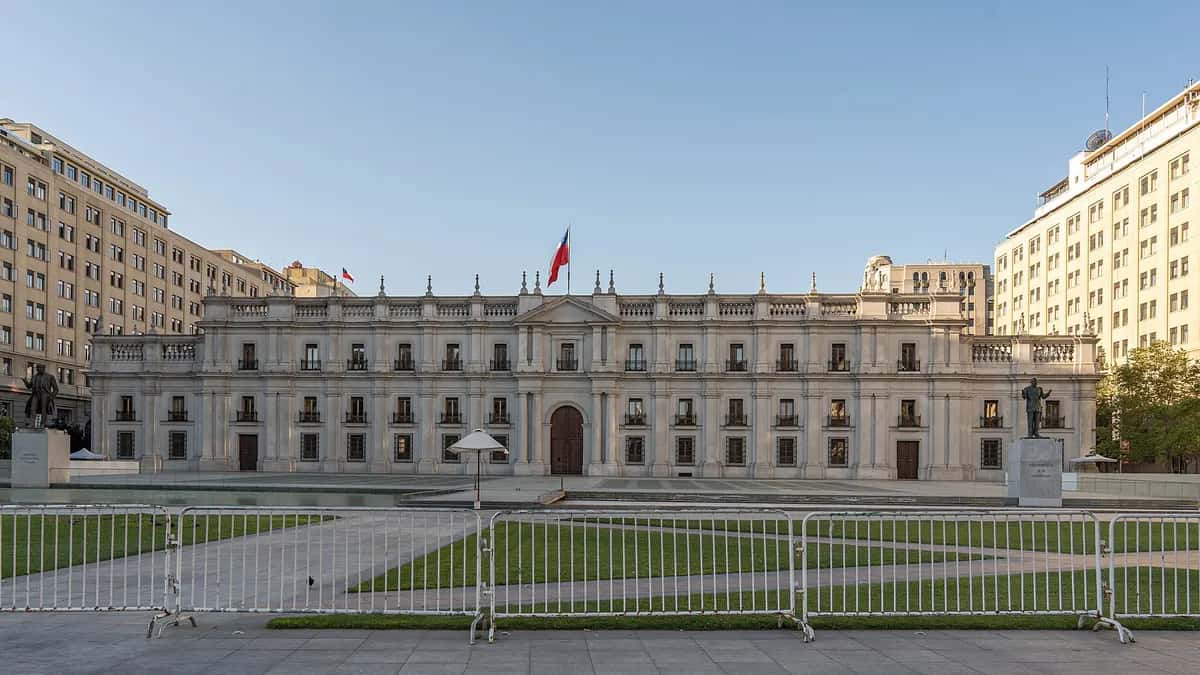
The Special Joint Committee has 13 senators and 13 deputies and is chaired by Senator Javier Macaya (UDI). Its five subcommittees are chaired by Luciano Cruz-Coke (Finance and Economy), Rodolfo Carter (Presidency and Defense), Agustín Romero (Justice, Health, Labor and Security), Yasna Provoste (Education, Housing, Interior and Culture) and Paulina Vodanovic (Public Works, Transport, Energy and Mining), according to Emol. The 29 November deadline was reported by The Clinic when Congress set the schedule.
The week of 19 October is the last for item-by-item review. According to Duplos, the joint subcommittees are analyzing each ministry's budget these days before the vote. At this stage lawmakers often attach requests for information, and sometimes cut items to force a negotiation with the Finance Ministry, which is then settled in the Special Joint Committee.
Criticism of the bill
The underlying debate is about cuts. Deputy Carolina Cucumides (Socialist Party) warned that a 1% to 1.5% increase is insufficient against cuts she puts at 10% in some social areas, without citing a source. Deputy Joanna Pérez (Demócratas) anticipated a "difficult discussion" and called for more funding for the regions. The opposition is also demanding that the budget aim to create at least 250,000 jobs, in a country with 9.6% unemployment.
From the governing coalition, Deputy Flor Weisse (UDI) said the bill "is focused on fiscal responsibility" and Senator Andrés Longton (RN) said the government "is putting the house in order". Deputy Carlos Bianchi summed up the mood to Diario Financiero: "We will argue, but Quiroz will get his bill approved with more or fewer objections".

What happens if the law is not passed on time
The Constitution requires Congress to pass the budget within 60 days of its submission. If it does not, the bill submitted by the president takes effect. That gives the executive the upper hand: Congress can reduce spending but cannot increase it or create new outlays, which are the president's exclusive initiative. Once approved, the law is enacted and published in the Official Gazette before it takes effect on 1 January 2027.
The economic backdrop also matters: the IMF cut its 2026 growth forecast for Chile to 0.6% (see the IMF report) and annual inflation reached 4.1% in September, above target. The budget's revenue projections depend on those figures and on the copper price.
Frequently asked questions
How much does spending rise in Chile's 2027 budget?
1.5% compared with 2026, according to the government. The opposition argues the baseline already includes a 3% cut applied in 2026.
When will the 2027 budget be voted on?
Subcommittees review the items until 21 October; the Special Joint Committee would vote between late October and early November, and both chambers in November. The deadline is 29 November.
What does the 2027 budget prioritize?
Growth, jobs and reconstruction (9.5 trillion pesos, +8.1%), security (7 trillion, +9.1%), children (2.5 trillion, +4.1%) and health (+4.7%), according to gob.cl.
What happens if Congress misses the deadline?
If it does not pass the bill within 60 days of submission, the version sent by the president takes effect.