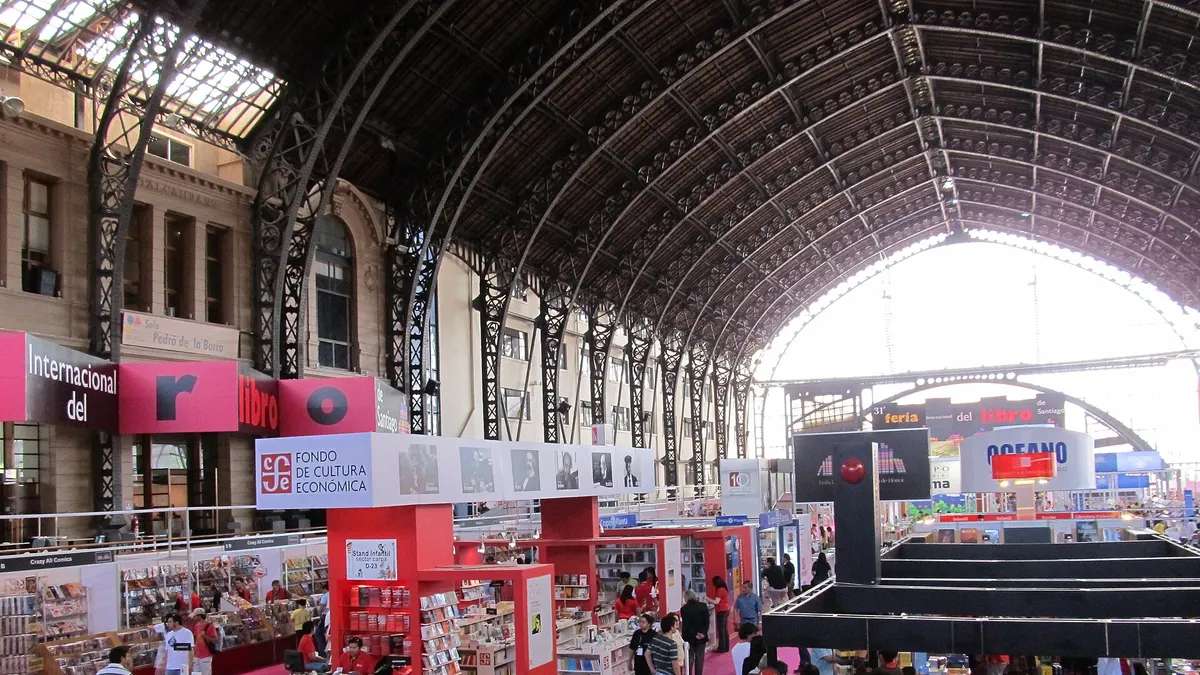
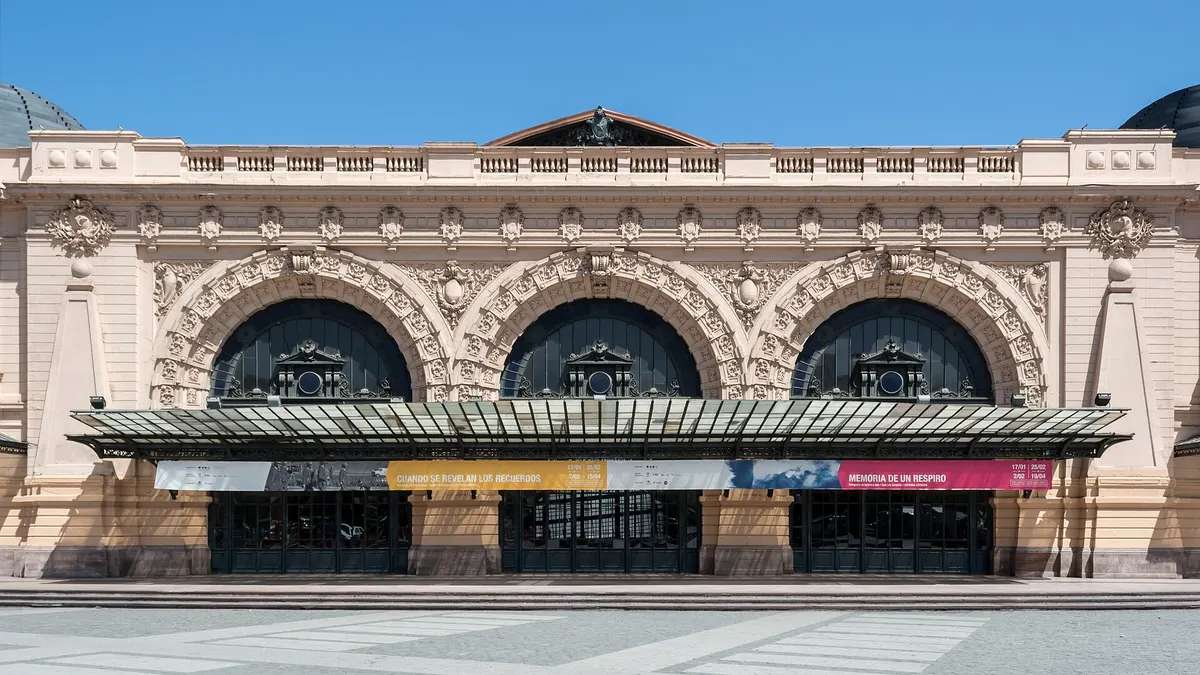
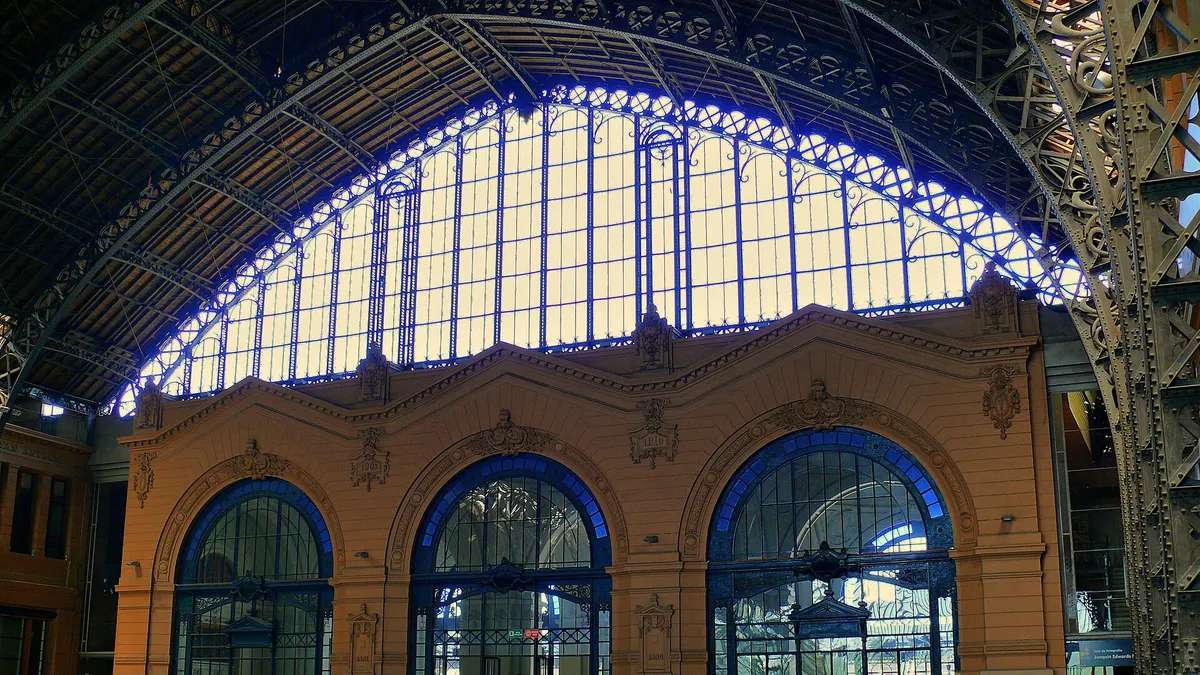
The 45th Santiago International Book Fair (Filsa 2026) runs from Friday, November 13 to Sunday, November 22 at the Estación Mapocho Cultural Center, from 11:00 to 20:30, according to the Chilean Book Chamber, which organizes it. Entry is free Monday to Friday; on Saturdays and Sundays, general admission costs CLP 4,500, and children under 12 get in free. Tickets are sold at the cultural center's box offices.
This year's motto is "Connect": the fair aims to bring together authors, publishers, bookstores and readers of all ages, and link literature with other disciplines and formats. This guide to Filsa 2026 covers the dates, ticket prices day by day, the guest authors announced so far, the fair's history and how to get there.
View the data as a table
| Edition | 45 |
| Fair days | 10 |
| Weekend admission | CLP 4,500 |
| Hours open each day | 9.5 |
Filsa 2026: dates and ticket prices day by day
Of the ten days of the fair, six are free and four, the two weekends, charge general admission. Anyone wanting to save can go between Monday the 16th and Friday the 20th, the remaining free days.
| Friday 13 | 11:00-20:30 | CLP 0 |
| Saturday 14 | 11:00-20:30 | CLP 4,500 |
| Sunday 15 | 11:00-20:30 | CLP 4,500 |
| Monday 16 | 11:00-20:30 | CLP 0 |
| Tuesday 17 | 11:00-20:30 | CLP 0 |
| Wednesday 18 | 11:00-20:30 | CLP 0 |
| Thursday 19 | 11:00-20:30 | CLP 0 |
| Friday 20 | 11:00-20:30 | CLP 0 |
| Saturday 21 | 11:00-20:30 | CLP 4,500 |
| Sunday 22 | 11:00-20:30 | CLP 4,500 |
| Day | General admission | Under 12 |
|---|---|---|
| Friday 13 November | Free | Free |
| Saturday 14 November | CLP 4,500 | Free |
| Sunday 15 November | CLP 4,500 | Free |
| Monday 16 November | Free | Free |
| Tuesday 17 November | Free | Free |
| Wednesday 18 November | Free | Free |
| Thursday 19 November | Free | Free |
| Friday 20 November | Free | Free |
| Saturday 21 November | CLP 4,500 | Free |
| Sunday 22 November | CLP 4,500 | Free |
Source: Chilean Book Chamber and Cooperativa. Book launches and program activities may have limited places; the organizers warn that the program "is subject to change".
Guest authors and program of Filsa 2026
Among the writers announced, according to Cooperativa, there is a strong Latin American presence: Katya Adaui (Peru), Pabla Thomen (Paraguay), Emanuel Bremermann (Uruguay), Felipe Núñez Mestre (Colombia), Mercedes Halfon (Argentina), Andrés Cadena (Ecuador), Jacques Fux (Brazil), as well as Chilean authors. The Chilean Book Chamber has not announced a guest country of honor for this edition; in 2023 it was Panama and in 2024, China.
The program includes book launches and signings, tributes, talks, workshops, family activities and professional sessions for the publishing sector. The Chilean Society for Neuroscience takes part with keynote talks and workshops, and there is an educational program for schools: the Chamber mentioned more than 10,000 students in its opening announcement and more than 20,000 on the program page. Each day's details are in the official program.
- Book launches and signings by Chilean and foreign authors.
- Talks and professional sessions for publishers and bookstores.
- Talks and workshops by the Chilean Society for Neuroscience.
- Educational program for school students.
- Family activities and recreational spaces.
The history of Filsa, Santiago's book fair
The modern fair was born in 1981, at the initiative of then Santiago mayor Carlos Bombal, and was set up in Parque Forestal, behind the National Museum of Fine Arts. Since 1989 it has been held at Estación Mapocho, and in 1990 it added "International" to its name, according to Wikipedia. In 2011 it had a record 260,000 visits, more than 500 activities and more than 700 publishing imprints. Then came a crisis: between 2015 and 2018, nine publishers, including the country's largest, left the Book Chamber, formed the Corporation for Books and Reading and stopped taking part in the fair.
- 1933First Chilean Book WeekPromoted by the Chilean Writers' Society.
- 1981The modern fair is bornIn Parque Forestal, at the initiative of mayor Carlos Bombal.
- 1989Moves to Estación Mapocho
- 1990Becomes international
- 2011260,000 visitsFirst section devoted to e-books.
- 2015-2018Major publishers leaveNine imprints form the Corporation for Books and Reading.
- 2019Not heldDue to the October social unrest.
- 2020-2021Virtual formatDue to the pandemic.
- 2022Back in person
- 2023-2024Panama and China, guest countries
- 202645th editionNovember 13-22, under the motto "Connect".
Filsa versus other Latin American book fairs
A week after Filsa closes, the Guadalajara International Book Fair opens, the largest Spanish-language book fair in the world: its 40th edition will run from November 28 to December 6, 2026, with Italy as guest country of honor, according to the University of Guadalajara as cited by Excélsior and Telediario.
| Fair | Edition | 2026 dates | Venue | Guest country |
|---|---|---|---|---|
| Filsa (Santiago) | 45.ª | November 13-22 | Estación Mapocho | Not announced |
| FIL Guadalajara (Mexico) | 40.ª | November 28 to December 6 | Expo Guadalajara | Italy |
How to get to Filsa 2026 at Estación Mapocho
The Estación Mapocho Cultural Center is on Plaza de la Cultura, on the banks of the Mapocho River in downtown Santiago. The nearest Metro station is Puente Cal y Canto, on lines 2 and 3, a few blocks away. Before you go, check how much a Santiago Metro ticket costs in 2026. To avoid the entry fee and lines, weekdays are best; weekends tend to draw more families.
Frequently asked questions
When is Filsa 2026?
From Friday, November 13 to Sunday, November 22, 2026, at the Estación Mapocho Cultural Center, 11:00 to 20:30.
How much is admission to Filsa 2026?
It is free Monday to Friday. On Saturdays and Sundays, general admission costs CLP 4,500. Children under 12 get in free.
Where can you buy tickets?
At the Estación Mapocho Cultural Center box offices, according to the Chilean Book Chamber.
What is the guest country at Filsa 2026?
The organizers did not announce a guest country of honor. Foreign authors include writers from Peru, Paraguay, Uruguay, Colombia, Argentina, Ecuador and Brazil.